From spy satellite to space telescope: The unlikely origins of NASA's Roman Space Telescope
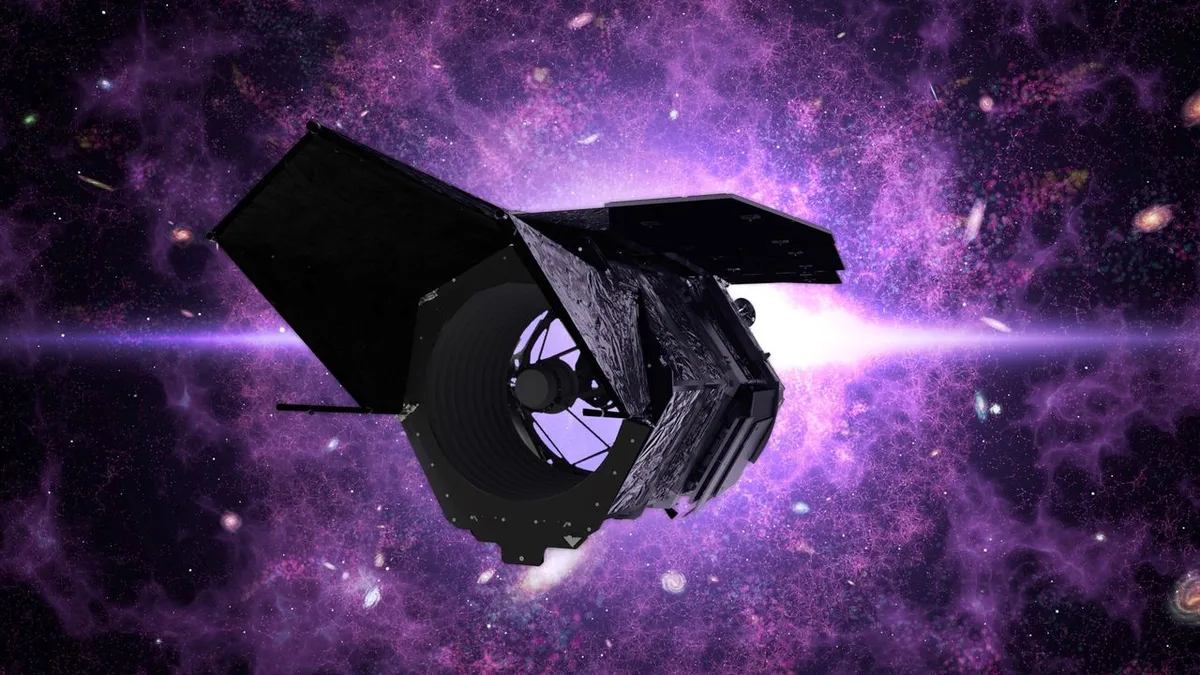
NASA took the guts out of old spy satellites to build the groundbreaking Nancy Grace Roman Space Telescope – but how? And why? Years of hard work and anticipation are culminating as we sit on the verge of NASA's launch of its next-generation space telescope.
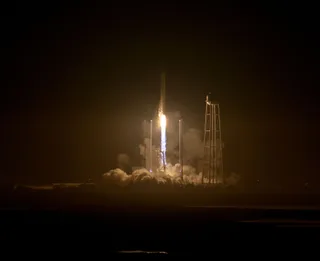
Set to lift off this upcoming Sunday (Aug.
30) aboard a SpaceX Falcon Heavy rocket, the Roman Space Telescope will push astronomy into the future, exploring the mysteries of dark energy , studying far-off worlds and expanding our understanding of the universe around us.
But to get to this point, NASA used some … unexpected technology.
At the core of the observatory lies the Optical Telescope Assembly.
This houses the telescope's primary mirror, its main mechanism through which it surveys the cosmos, nine additional mirrors, supporting structures and various sorts of electronics.
But where did all of this tech come from? The National Reconnaissance Office (NRO), which builds spy equipment for U.S. agencies like the CIA.
That's where.
In 1999, the NRO stood up the multibillion-dollar "Future Imagery Architecture" program, which contracted out new spy satellites .
The NRO contracted Boeing for the project, having the company design a whole suite of new optical and radar imaging reconnaissance satellites.
They're basically spy satellites.
In 2001, in a post-9/11 America, this effort continued to ramp up with national security concerns at an all-time-high.
However, this flurry of spy satellite development was short-lived.
And with billions of dollars in overrun costs from Boeing, the project closed in 2005.
5News aggregated this summary from the outlet’s public feed. The full article, with all the context, is on www.space.com — the content belongs to Space.com.