Disney is starting an employee stock purchase program and changing its health insurance plans
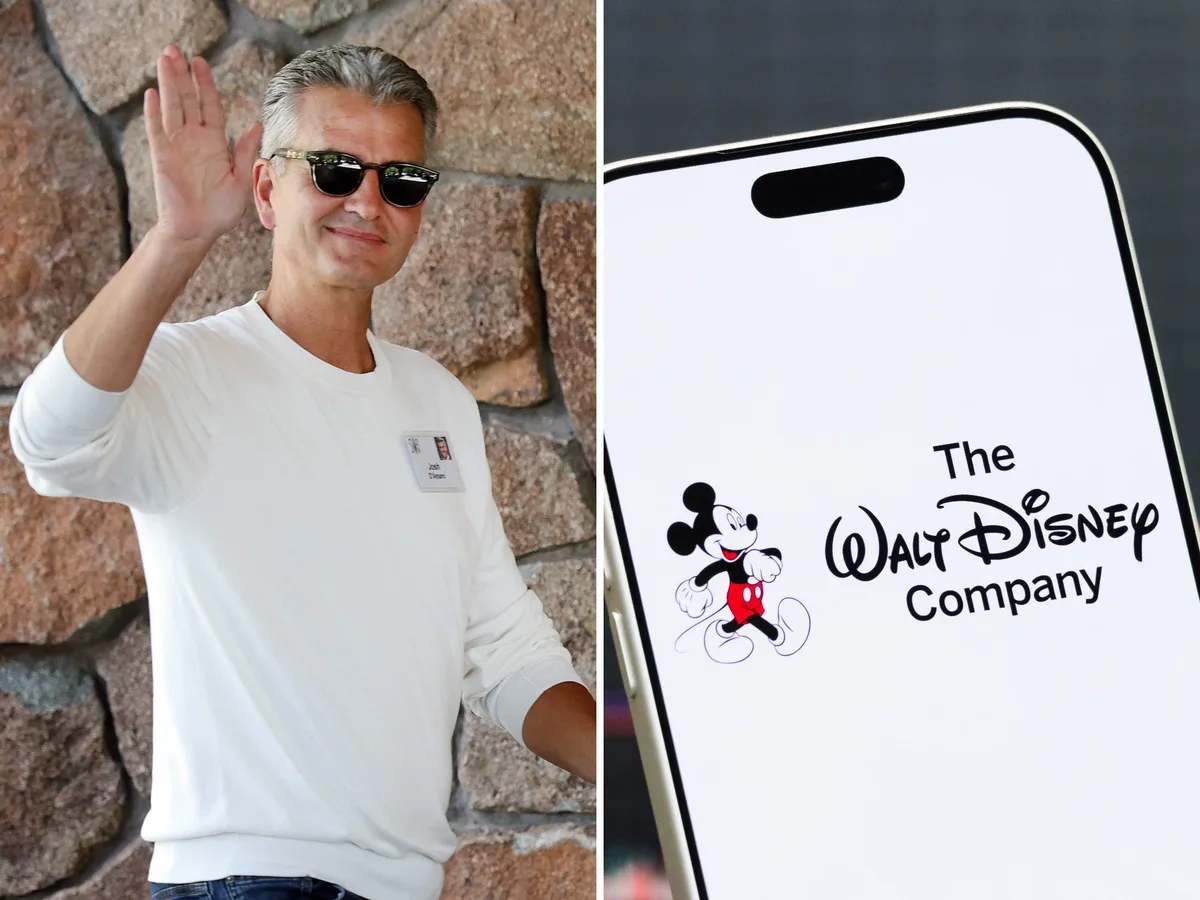
Disney CEO Josh D'Amaro's company has unveiled a new employee stock purchase program.
Kevin Dietsch/Getty Images; Illustration by Cheng Xin/Getty Images Disney plans to start a stock purchase program and is changing its health insurance plans.
The Mouse House cut stock-based compensation for some tech employees in April.
A Disney spokesperson said the firm is "making measured adjustments" to health plans as costs rise.
Disney is shaking up its employee benefits by launching a stock purchase program and switching up its health insurance plans.
Eric Chaisson, Disney's EVP of total rewards and employee services, told US-based employees about the changes in a Wednesday memo.
"We're planning to introduce an Employee Stock Purchase Plan later in 2027, pending approvals, giving eligible employees the opportunity to build company ownership by purchasing Disney stock," Chaisson said in an email, which was viewed by Business Insider.
Details of the stock purchase plan "are still being finalized," Chaisson said, including who's eligible and how the program will be designed.
The new stock program could be a way for Disney to encourage retention and boost morale after multiple rounds of layoffs this year.
It could also help Disney staffers make more money without the company giving raises.
However, Disney employees won't strike it rich if the stock continues to underperform the market.
CEO Josh D'Amaro 's company had a major round of cuts in April and reduced stock-based compensation for some tech staffers shortly after.
Disney's ESPN let go of additional staffers in July, and some staffers in other parts of the company, including Pixar, were also affected.
Two software engineers previously told Business Insider that their long-term incentive awards, which are restricted stock units vesting every six months for three years, were cut from 35% of their base salary to 25%.
5News aggregated this summary from the outlet’s public feed. The full article, with all the context, is on www.businessinsider.com — the content belongs to Business Insider.