Pied-à-Temper-Tantrum
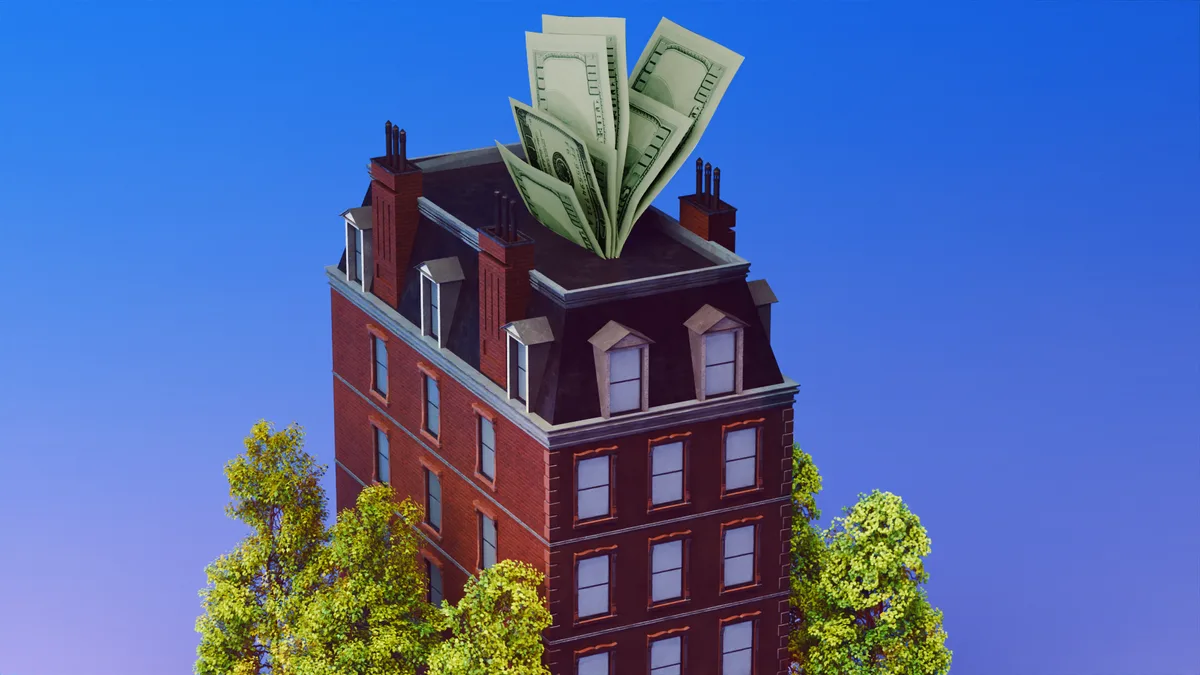
If you were trying to identify the spiciest policy affecting the fewest Americans, you’d struggle to do better than New York City’s pied-à-terre tax.
This spring, Mayor Zohran Mamdani and Governor Kathy Hochul agreed on a plan to target extremely valuable homes.
As of this fiscal year, homeowners will have to pay up to 6.5 percent tax on condos and co-ops assessed at more than $1 million; and up to 1.3 percent on multifamily houses assessed at more than $5 million.
The out-of-town owners of a $10 million single-family home would pay $80,000 a year, on top of standard property taxes, for instance.
Although the new fee is expected to hit only about 11,000 of the city’s 3.7 million housing units, it has dominated nightly newscasts and fronted tabloids ( PIED-A-TERROR, HOLD IT RIGHT TERRE! ) for weeks.
A city-council hearing on the policy stretched for hours, with resident after resident complaining that it was confusing, unfair, invasive, confiscatory.
New Yorkers have every right to criticize the rollout, which left a lot to be desired.
Still, this controversy is a tempest in a walk-in closet.
The pied-à-terre tax is a sound progressive option for a city with an excruciating housing shortage and obscene wealth inequality.
More than that, it is a policy meant to make the city a city—populated by, enjoyed by, and built for people.
Right now New York does not always feel that way.
The brutal cost of housing has strained or wholly priced out many artists and care workers, retirees and young parents, blue-collar types and entrepreneurs. [ Richard Florida: The one tax the rich can’t escape ] When wealthy families actually live in the units they own, they invest in the city in many ways.
They pay income taxes.
They buy bacon-egg-and-cheeses at the deli down the block.
5News aggregated this summary from the outlet’s public feed. The full article, with all the context, is on www.theatlantic.com — the content belongs to The Atlantic.