Why nonalcoholic wine is so expensive
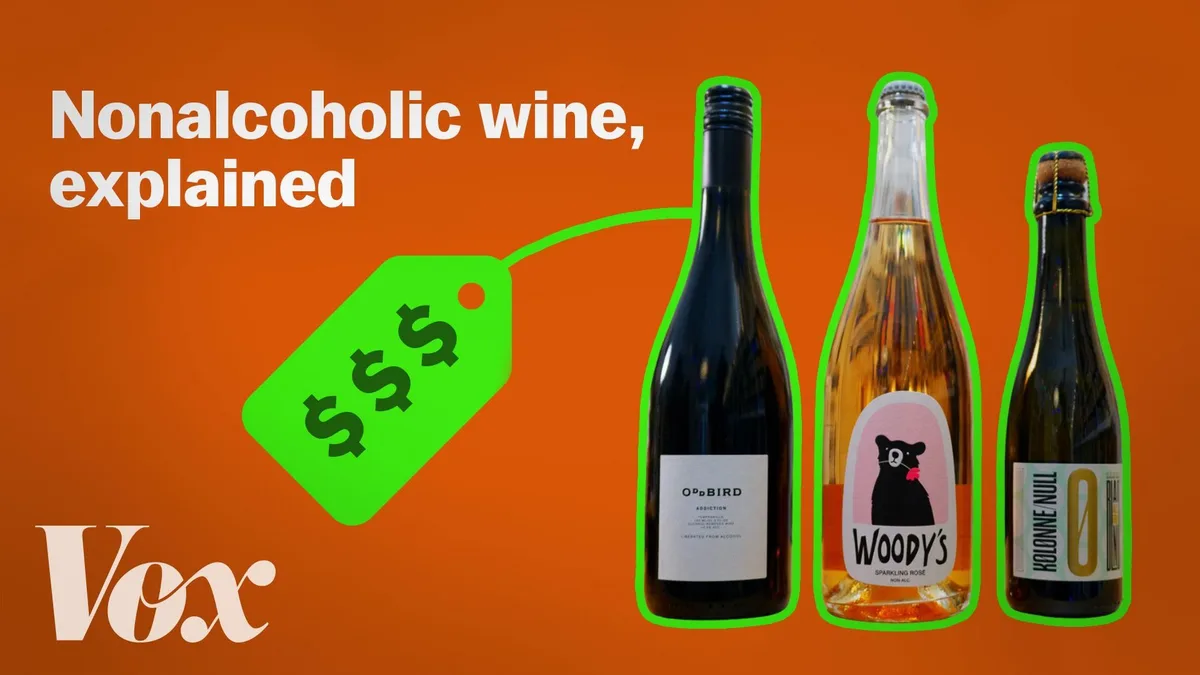
The nonalcoholic beverage industry has exploded from once-a-year “Dry January” experiments to one of the fastest-growing categories in food and beverage, largely driven by younger consumers who are drinking less but still wanting the rituals and community of socializing.
US sales of nonalcoholic beer, wine, and spirits have grown over 20 percent year over year , and analysts project that the no-alcohol market will grow by over $4 billion by 2028 .
With the wine world experiencing one of its biggest downturns in decades, small businesses and food scientists are turning to nonalcoholic wines as a potential alternative.
Some are using technology and chemistry to produce premium dealcoholized wines, while others, like Burden of Proof in Los Angeles, are re-creating the community feel of wine shops through NA-only storefronts.
However, even as consumers turn away from alcohol, many are still shocked by the sticker price of alcohol-free wine.
How could something with alcohol removed cost just as much as something with alcohol? The answer is a mix of the high cost of dealcoholizing technology and the price attached to a growing movement.
Read more about the nonalcoholic beverage trend: Sales Are So Low, California Wineries Are Burning Their Vineyards (New York Times) Non Alcohol Is No Longer a Niche—It’s a Billion-Dollar Movement (Nielsen) Investors Tap Into The Zero Proof and Non-Alcoholic Beverage Market (Forbes) U.S.
Drinking Rate at New Low as Alcohol Concerns Surge (Gallup) BevZero Equipment Spinning Cone Column Explained (BevZero) This video is presented by Verizon Business.
Verizon Business doesn’t have a say in our editorial decisions, but they make videos like this one possible.
5News aggregated this summary from the outlet’s public feed. The full article, with all the context, is on www.vox.com — the content belongs to Vox.