Thursday, October 15, 2026 SourcesAbout🌓
🇺🇸 US ▾
BREAKING
› Jerry Seinfeld turns tables on radical anti-Israel agitators after chaotic Chicago stunt backfires› Dominion still has pending lawsuits against election deniers such as Rudy Giuliani and Sidney Powell› Russia is 'going backwards' in equipment and deploying post WWII-era tanks, according to Western officials› Podcast: One country musician is calling for other artists to oppose assault rifles› Bidets save you money and reduce waste — we tested the best options out there› 50+ products to make your life easier and our planet cleaner› Mother's Day is around the corner. Here are 50+ thoughtful gifts she'll love› A head-to-toe guide of how men should dress this spring, and where they should shop› 42 of the most useful travel products you can buy on Amazon› The 7 best high-yield savings accounts of April 2023› Jerry Seinfeld turns tables on radical anti-Israel agitators after chaotic Chicago stunt backfires› Dominion still has pending lawsuits against election deniers such as Rudy Giuliani and Sidney Powell› Russia is 'going backwards' in equipment and deploying post WWII-era tanks, according to Western officials› Podcast: One country musician is calling for other artists to oppose assault rifles› Bidets save you money and reduce waste — we tested the best options out there› 50+ products to make your life easier and our planet cleaner› Mother's Day is around the corner. Here are 50+ thoughtful gifts she'll love› A head-to-toe guide of how men should dress this spring, and where they should shop› 42 of the most useful travel products you can buy on Amazon› The 7 best high-yield savings accounts of April 2023
Technology

Microplastics in water aren’t inert and make damaging chemicals on their own
Ars Technica ·
Microplastics in water aren’t inert and make damaging chemicals on their own

One reason plastics are used so often is that they’re chemically inert, meaning bags, food containers, and cups don't react with what we put in them.

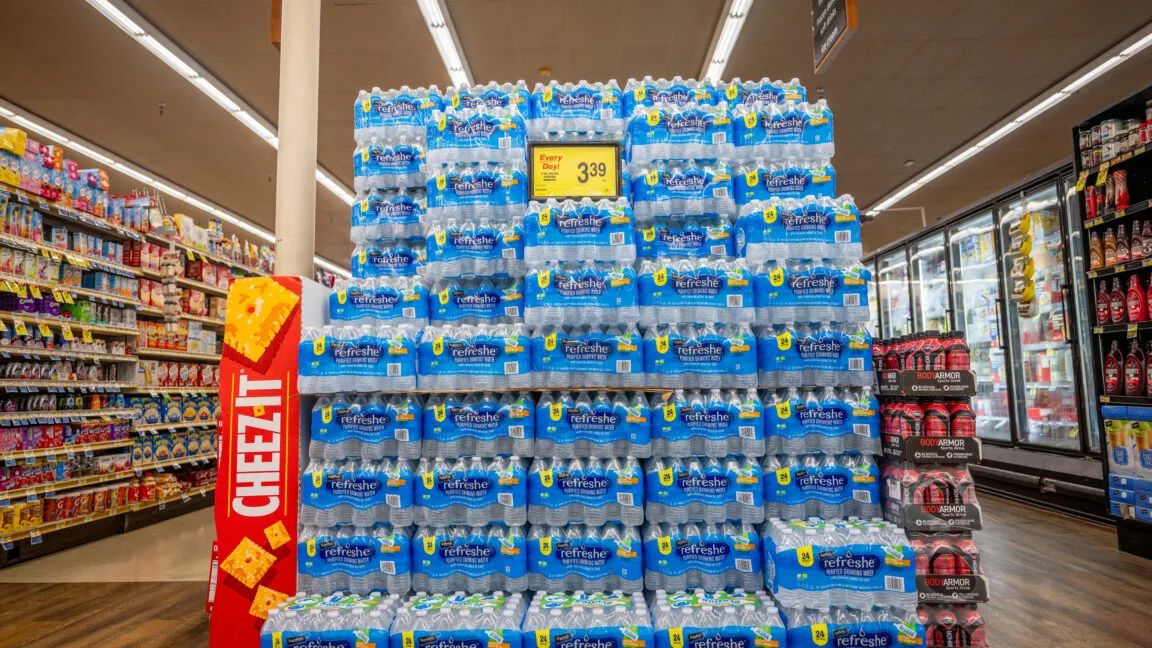
Yet they can still break down into microplastics, which turn up in drinking water, human blood, arteries, and brains.

The consequences of that are uncertain.

“Whether microplastics can directly cause human disease is still being researched,” said Wei Min, a chemist at Columbia University.

In a new Nature study, Min's team took a step toward answering this question by demonstrating that microplastics are likely not as chemically inert as we might expect.

Microdroplet chemistry Min's lab has spent years working on microdroplet chemistry, studying how water broken into tiny droplets behaves at its boundary with air.

These droplets have been reported to generate reactive oxygen species, or ROS, a family of harmful, oxygen-containing molecules.

“ROS will essentially bump into proteins, lipids, DNA, and cause damage,” Min said.

“You could break a DNA strand into segments.

You could mutate DNA; you could misfold proteins.” Read full article Comments

Read the full article on Ars Technica ›

5News aggregated this summary from the outlet’s public feed. The full article, with all the context, is on arstechnica.com — the content belongs to Ars Technica.


More from Ars Technica

See all ›

More in Technology

See all ›