The Most Important Thing AI Can’t Do in Medicine
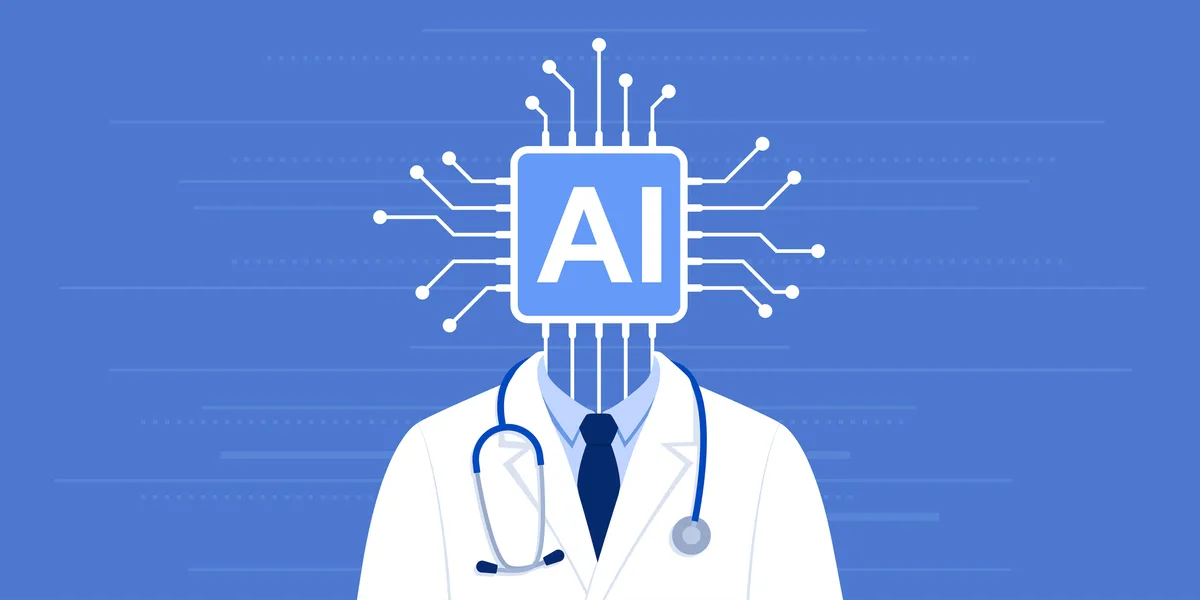
—elenabs—Getty Images I was an early medical student at the University of Miami in Florida, seeing a patient in a local primary care clinic.
“Abdominal pain with constipation,” I proudly told my supervising physician.
“I think it’s irritable bowel syndrome.” We went to see the patient and I watched with self-satisfaction as he asked the same questions I had.
When did the pain start? Where is it? I waited for him to tell her it was likely IBS.
But he didn’t.
He paused and looked at her face after his last question, and for the first time I noticed she wasn’t making eye contact.
She was looking at the ground.
“We’ve known each other for a long time,” he told her gently, “and you seem worried.
Can you share what you’re thinking?” She didn’t say anything right away.
Finally, she looked up.
“My sister was just diagnosed with stage 4 colon cancer.
I’m worried I might have it too.” For the next 15 minutes I watched as they talked about how she was processing her sister’s diagnosis, her fears about the future, what it all meant for her future colon cancer screening, and why at this point we were most concerned about IBS.
By the end of the visit, her expression had cleared; I realized I hadn’t noticed how frightened she was.
I felt ashamed of myself.
5News aggregated this summary from the outlet’s public feed. The full article, with all the context, is on time.com — the content belongs to TIME.