A critical pipeline that helped cushion the Hormuz shock just shut: Here’s what it reveals about corporate energy security
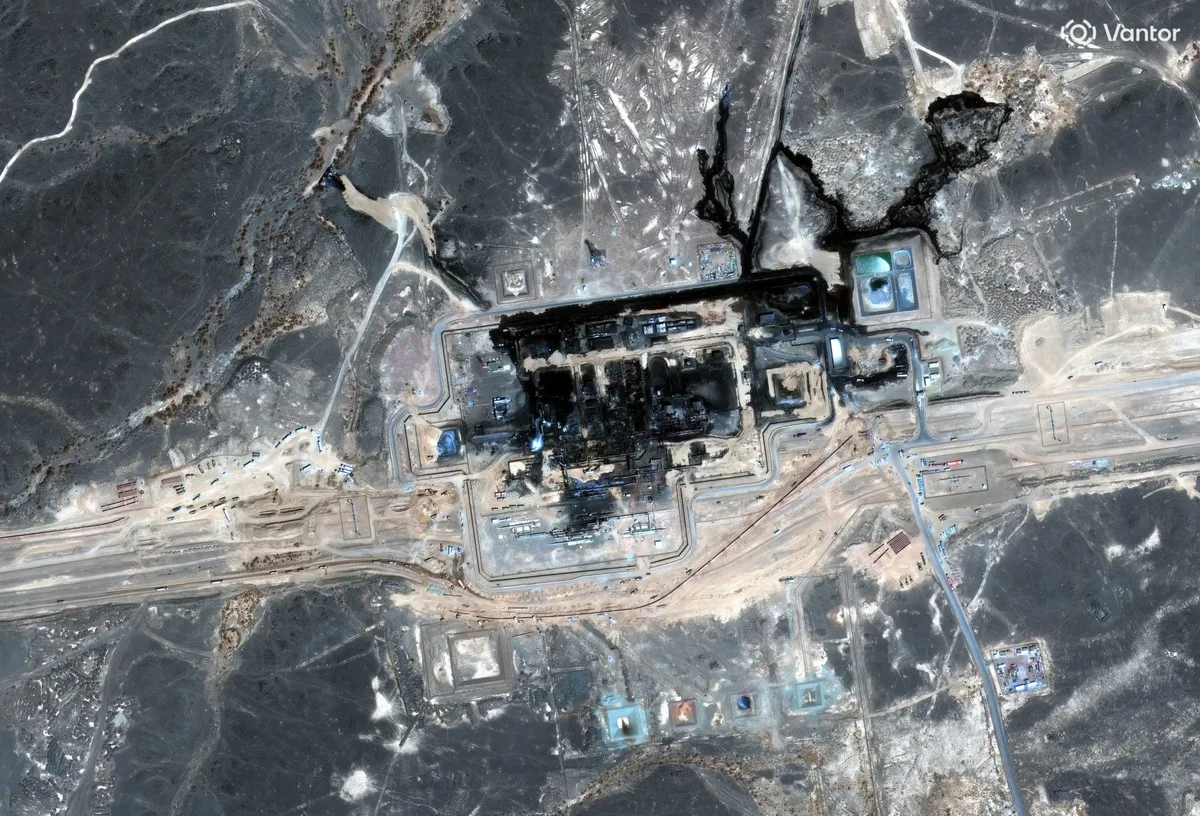
Saudi Arabia’s East-West pipeline was closed this week after serving as one of the largest buffers against this year’s historic Strait of Hormuz energy shock.
Together with the UAE’s bypass pipeline, the two routes carried approximately 5 million additional barrels a day around the Strait in the second quarter, compared to their fourth quarter 2025 volumes, according to our latest research.
Its temporary shutdown puts a fresh spotlight on the broader set of shock absorbers that have helped the global energy system adapt.
No single measure has absorbed a disruption that put roughly one-fifth of global oil supplies at risk.
Instead, layers of resilience built over decades kicked in together.
Alongside pipelines, governments and companies also drew on inventories, while producers—including the United States—increased exports.
Overall oil consumption did fall, but flexibility helped manage some of the economic impact.
Refiners changed crude inputs and their production mix, industrial companies switched feedstocks, and consumers changed behavior.
More than one in five barrels of seaborne oil traded in the second quarter of 2026 moved differently than before the disruption.
Taken together, the experience brings several features of resilience into focus.
It is layered: different measures work alongside and compensate for one another.
It is dynamic: options available early in a disruption may become constrained or themselves disrupted, increasing the value of both alternatives and the ability to adapt.
And its economics evolve under stress: spare capacity or alternative routes that appear underutilized in normal times can become vital when continuity is threatened.
For companies, these lessons matter well beyond Hormuz.
5News aggregated this summary from the outlet’s public feed. The full article, with all the context, is on fortune.com — the content belongs to Fortune.