Trump says Iran "not ready to make the right deal" as U.S. turns to economic warfare
Tehran's grocery stores are well-stocked, but many families can barely afford the basics. Unemployment is soaring and those with jobs are working more hours for money worth half as much as a year ago, putting food, medicine and everything else — except for heavily subsidized gasoline — further out of reach.
"We have virtually given up on many things," said Ahmad Karimi, 52, a taxi driver and father of two who has been working 15-hour days to make ends meet. "We're cutting out fruit, we're cutting out protein, we've given up leisure, we even work on weekends."
Nearly six months into the war with the United States and Israel, the Iranian economy is taking a beating under the force of sanctions and a naval blockade that is making it extremely difficult for the country to export oil, its most valuable product.
Since the war began, Iran has been attacking oil-rich neighbors and U.S. bases in the region, and disrupting shipping in the Strait of Hormuz, its biggest strategic advantage.
Iran is trying to use this retaliatory pressure — driving up energy prices globally — to bring the war to an end on the best terms possible. It is pressing for sanctions relief, and seeking enough control over the strait to demand payment from ships passing through to deliver energy and other goods.
The Trump administration — fighting over a waterway in a war that was launched to curb Iran's nuclear program — is promising even tougher sanctions to squeeze the Islamic Republic into submission. But experts say President Trump may be underestimating how long Iran can hold out.
Iran has been subject to Western sanctions for years and has become deft at partially circumventing them. It has expanded domestic production, used informal cross-border trade networks, bought restricted goods through third countries, and used a shadow fleet to transport its oil.
"Iran's resistance capacity not only avoids collapse, it also prevents the economic pain from translating into the political pressure and changes that the U.S. expects," said Hadi Kahalzadeh, an expert on Iran's economy at Brandeis University.
Iran's Chief of Staff of the Armed Forces, Major General Abdolrahim Abdollahi, said Friday that the country's military was prepared to deliver a "devastating" response to any conventional or emerging threat from its adversaries.
Iran's acting Defense Minister, Brigadier General Seyed Majid Ibn al-Reza, was quoted Friday by state media as stressing the link between national security and economic stability. He said Iran's defense industry had become one of the key pillars of its national security and deterrence against threats.
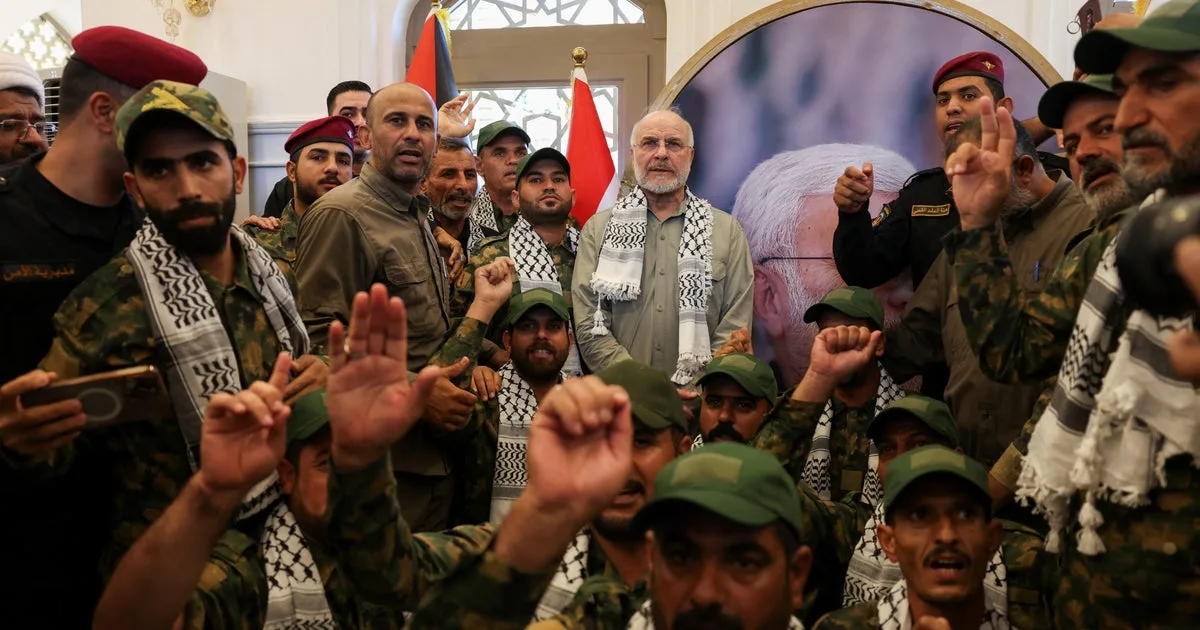
Iranian Parliament Speaker Mohammad Bagher Ghalibaf called on Iran and Iraq to strengthen economic cooperation and prepare for what he described as "unjust sanctions," warning that the United States and Israel had shifted toward economic warfare after failing to defeat the two countries militarily.
Speaking to Iranian and Iraqi businesspeople at the Iranian Embassy in Baghdad on Thursday, Ghalibaf said the two countries should develop mechanisms to withstand sanctions and reduce their dependence on the U.S.
5News aggregated this summary from the outlet’s public feed. The full article, with all the context, is on www.cbsnews.com — the content belongs to CBS News.