Google’s Pet Memory forgot who my cats are
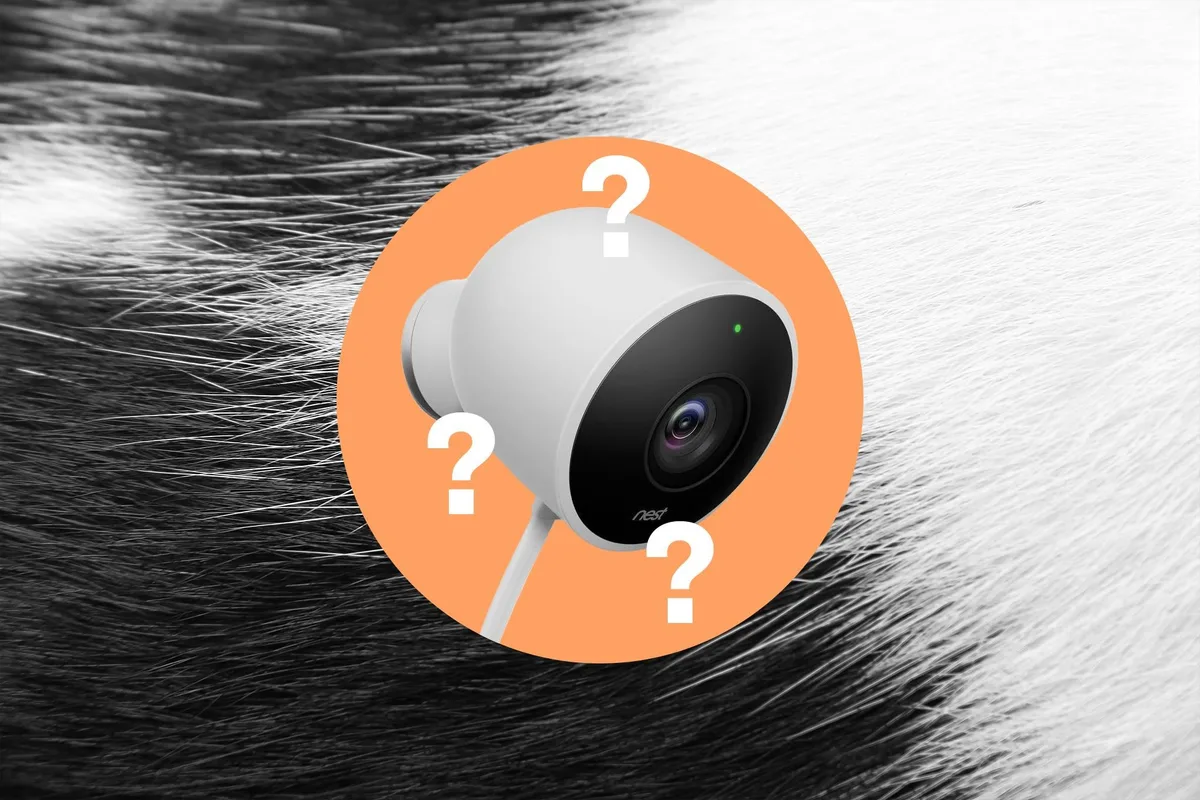
Gemini for Home promises its Nest cameras can recognize my cats by name — but it can’t tell Boone from Smokey, making pet-focused smart notifications and automations mostly useless.
If you buy something from a Verge link, Vox Media may earn a commission. See our ethics statement.
Gemini for Home promises its Nest cameras can recognize my cats by name — but it can’t tell Boone from Smokey, making pet-focused smart notifications and automations mostly useless.
If you buy something from a Verge link, Vox Media may earn a commission. See our ethics statement.
One of the best things my smart home does is help me care for my pets , and security cameras are particularly useful for keeping track of my many critters. But the barrage of notifications they send often means I miss important ones. So, when Google announced its new Pet Memory feature for Gemini for Home , I thought this could be the perfect solution.
Pet Memory promises to teach your Google Home smart home who your pets are, allowing connected Nest cameras to go beyond simply telling you they saw an animal to which animal they saw. It can then use that knowledge to adapt your smart home to your pet.
My plan was to use it to keep a digital eye on my three cats while working in my home office, distinguish them from one another, and automate their feeding based on who was at the feeder. But after two weeks of testing, Google’s AI still can’t tell my three cats apart.
My house is on a suburban, three-quarter-acre lot in a quiet neighborhood, and I take full advantage of all this space to have as many animals as possible (my husband has already said no to a goat and horse). But I’ve managed to wrangle a flock of free-ranging chickens, a large, counter-surfing Wirehaired Pointing Griffon called Gus, two indoor/outdoor cats, and — most exciting of all — a new kitten.
As The Verge ’s smart home reviewer, I test a lot of connected tech and have found my best use case for security cameras is monitoring my pets around my house and yard. They help keep the chickens safer from predators and my lunch safer from Gus, and act as a type of digital pet door for the cats. When I get a notification that there’s an animal at the door via a video doorbell and/or outdoor camera, it’s likely a cat wants to come in.
While I only have one dog and I don’t really need to distinguish the chickens by name, there were three things I thought Pet Memory could do to help me manage my three cats. First, identify which cat wanted in, and help prevent false alerts — such as when it’s my neighbor’s cat sitting on my porch, or when it’s a chicken peering in at the back door. Second, tell me whether all my pets were safely inside before dark. And finally, provide personalized automated feeding for each feline.
Recognizing individual pets is the latest step in a rapid evolution of smart security cameras. While some dedicated pet cams promise facial recognition , most standard security cameras could only alert you to motion until recently. Advances in machine learning and now generative AI are bringing more descriptive alerts.
5News aggregated this summary from the outlet’s public feed. The full article, with all the context, is on www.theverge.com — the content belongs to The Verge.