Moon phase today: What the Moon will look like on September 13
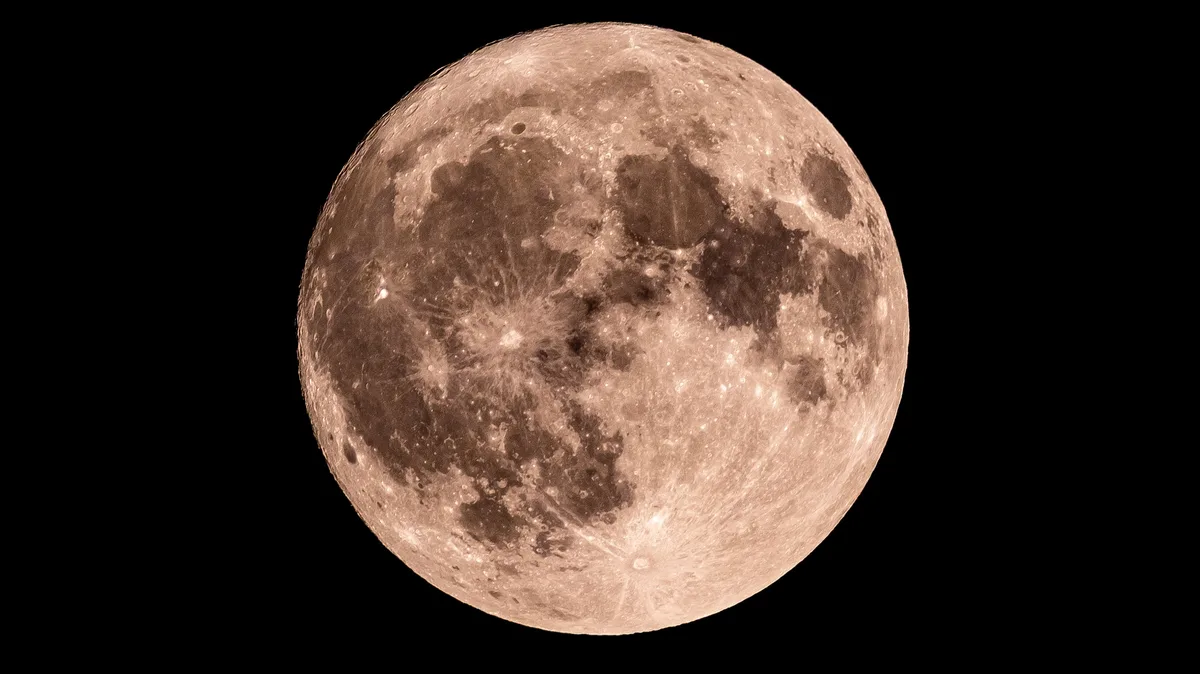
The Moon may be hard to spot right now, but that won't last for long. As the new lunar cycle gets underway, a little more of it will become visible each night.
As of Sunday, Sept. 13, NASA's Daily Moon Guide tracker tells us the Moon is in the Waxing Crescent phase, with 5% of its surface visible.
As the Moon orbits Earth, its appearance changes over the course of roughly 29.5 days, creating what we know as the lunar cycle, according to NASA . The phase we see depends on where the Moon is in relation to Earth and the Sun, and how much of its sunlit side is facing us. Throughout the cycle, it moves from a slender crescent to a half Moon and eventually a Full Moon, before the pattern begins again.
New Moon - The Moon is between Earth and the sun, so the side we see is dark (in other words, it's invisible to the eye).
Waxing Crescent - A small sliver of light appears on the right side (Northern Hemisphere).
First Quarter - Half of the Moon is lit on the right side. It looks like a half-Moon.
Waxing Gibbous - More than half is lit up, but it’s not quite full yet.
Full Moon - The whole face of the Moon is illuminated and fully visible.
Waning Gibbous - The Moon starts losing light on the right side. (Northern Hemisphere)
Third Quarter (or Last Quarter) - Another half-Moon, but now the left side is lit.
Waning Crescent - A thin sliver of light remains on the left side before going dark again.
Lois Mackenzie is a freelance reporter at Mashable. Over the years she has written for many publications, covering everything from the local news to the best pair of running shoes. You can find bylines in publications including Fit&Well, Metro, and Coach magazine, usually covering deals on everything from earbuds to TVs, or guides on how to beat your half marathon time.
Lois also holds a Master's degree in Digital Journalism from Strathclyde University and obtained a Master of Arts in English Literature at the University of Aberdeen.
5News aggregated this summary from the outlet’s public feed. The full article, with all the context, is on mashable.com — the content belongs to Mashable.