Hurricane Polo Intensifies Off Mexico’s Coast
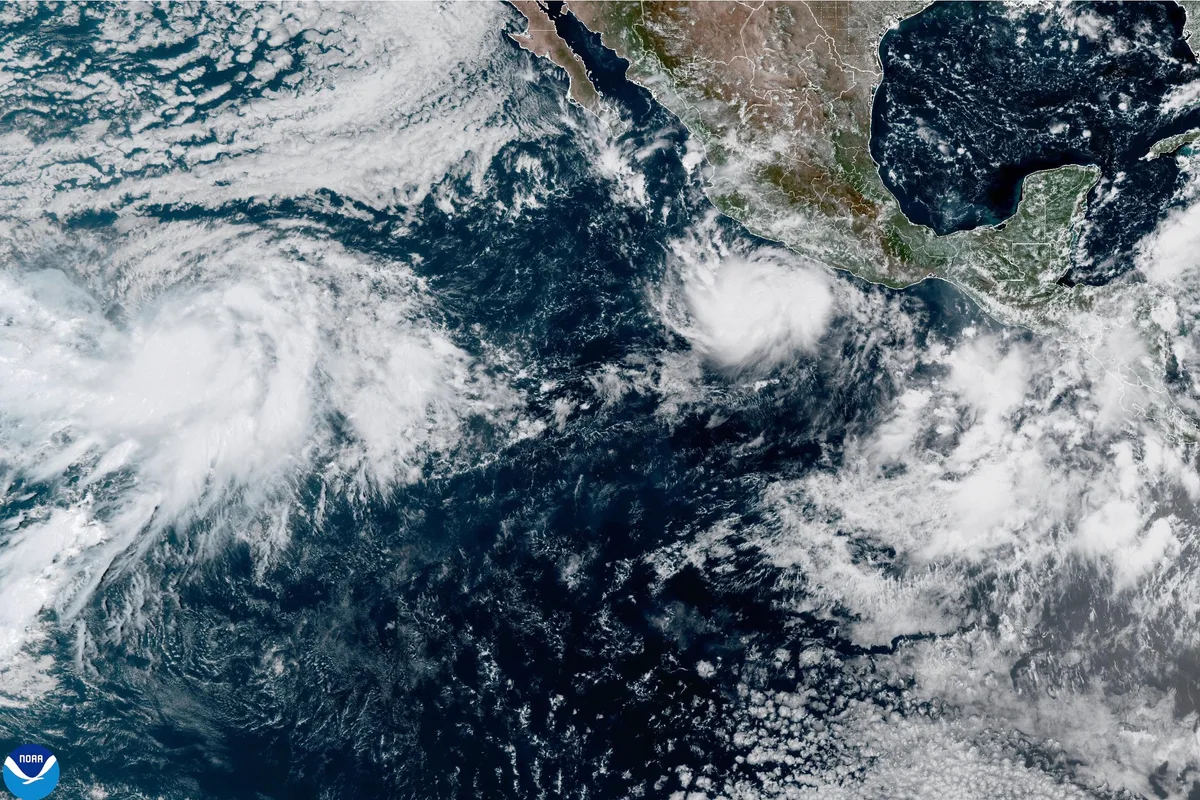
Hurricane Polo intensifying in the Pacific Ocean off the coast of Mexico on Monday, Sept.
21, 2026. —NOAA/AP Hurricane Polo has become one of the strongest hurricanes ever recorded in the western hemisphere.
Polo, off the Pacific coast of Mexico, evolved from a weak tropical storm to a Category 5 hurricane on Tuesday.
Category 5 hurricanes, the most powerful level on the Saffir-Simpson Hurricane Wind Scale, are rare, although rising ocean temperatures have made them more frequent in recent years .
The hurricane was drifting northeast at 1 mile per hour in the eastern Pacific Ocean on Tuesday night, about 210 miles south of Zihuatanejo, Mexico.
Forecasters expect it to begin turning northwest, and move west-northwestward near the Mexican coastline over the next few days, with its core remaining offshore.
But even if the hurricane does not make landfall, forecasters expect heavy rainfall over parts of southwestern Mexico that could trigger life-threatening flooding and mudslides.
In the Mexican state of Guerrero, local media has reported damaged roads, downed trees, and rough seas that forced authorities to close ports to small boats.
Polo is also expected to create hazardous ocean conditions, including potentially deadly rip currents and dangerous surf.
Conditions in waters off Baja California Sur are expected to deteriorate this weekend as swells from Polo spread toward the peninsula, according to the National Weather Service .
Here’s what to know about Hurricane Polo.
How strong is Hurricane Polo? Hurricane Polo sustained winds of 165 miles per hour as of Tuesday night, according to the National Hurricane Center (NHC).
Earlier Tuesday, its wind speeds reached 180 miles per hour , tying with super typhoons Sinlaku and Bavi in the West Pacific for the world’s strongest storm by wind speed this year.
The strongest ever hurricane was Patricia in 2015 , which sustained wind speeds of 215 miles per hour and made landfall near Cuixmala, Mexico.
5News aggregated this summary from the outlet’s public feed. The full article, with all the context, is on time.com — the content belongs to TIME.