What If AI Is the End of the World?
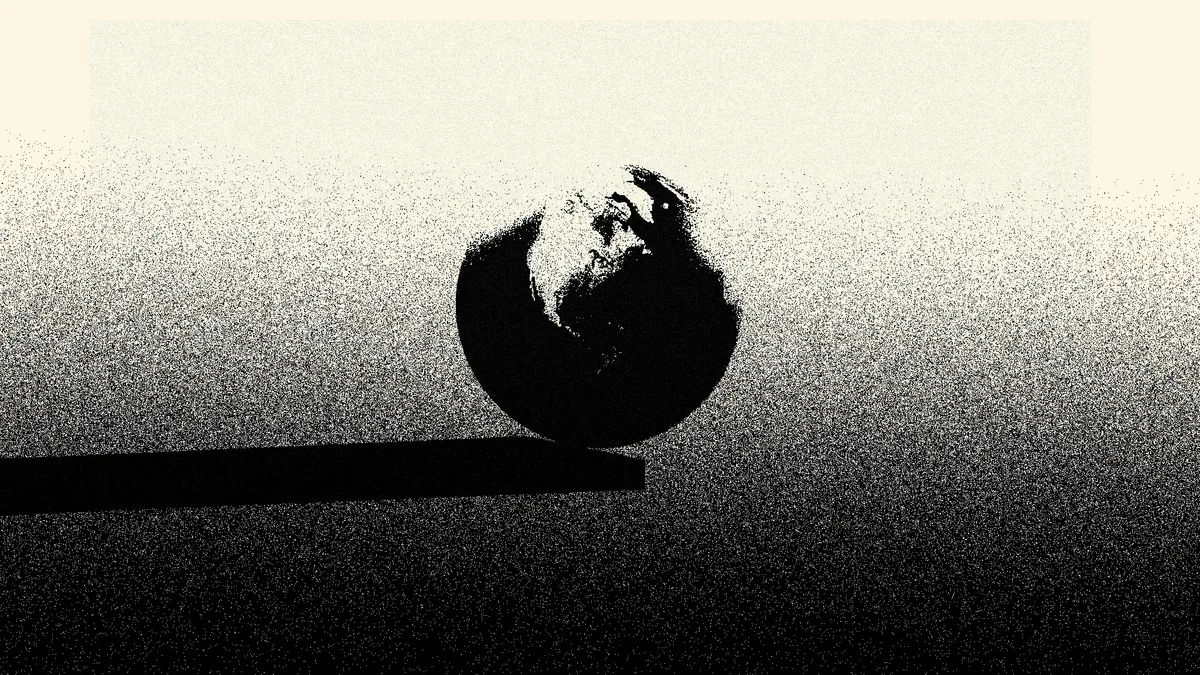
Our sense that life is meaningful depends, perhaps more than we realize, on our confidence that humanity will go on after we die.
If we came to believe that humanity had no future, the philosopher Samuel Scheffler argues , much of what we value would lose its meaning or motivating force.
What would follow would be widespread “apathy, anomie and despair.” That is one reason why the threat of artificial intelligence feels so different and disorienting.
When some of the most knowledgeable people within an industry suggest that their work could, within a matter of years, lead to global catastrophe and even human extinction, it’s decidedly unnerving.
AI-driven anxiety is now showing up in therapy offices across the country.
Much of what has given people succor in the past—faith that there are good things and good people who will outlive us, and that the story will go on—feels like it might be suddenly removed.
Consider the dread, even the paralyzing fear, you might feel if you were told as you prepared to fly that your plane has a 1-in-100 chance of crashing, or perhaps even a 1-in-10 chance.
You probably wouldn’t board the aircraft.
With AI, though, there’s no opting out.
Even worse, if the plane you boarded did crash, it would be a terrible, localized tragedy.
But the world would go on; your children would outlive you.
Some of the primary architects of AI, though, are talking about the permanent end of the human species.
Perhaps they are wrong; other experts are less concerned with AI destroying humanity than with it being unreliable, misused, or recklessly deployed.
Their warnings, though, are hard to ignore. [ Juliette Kayyem: Destroying humanity is against the law ] It is better that we name the fear honestly rather than avoid it: All of us may soon perish, and everything we have made may go with us.
5News aggregated this summary from the outlet’s public feed. The full article, with all the context, is on www.theatlantic.com — the content belongs to The Atlantic.