Nocturnal dodo? Study suggests we were very wrong about Mauritius' iconic flightless bird
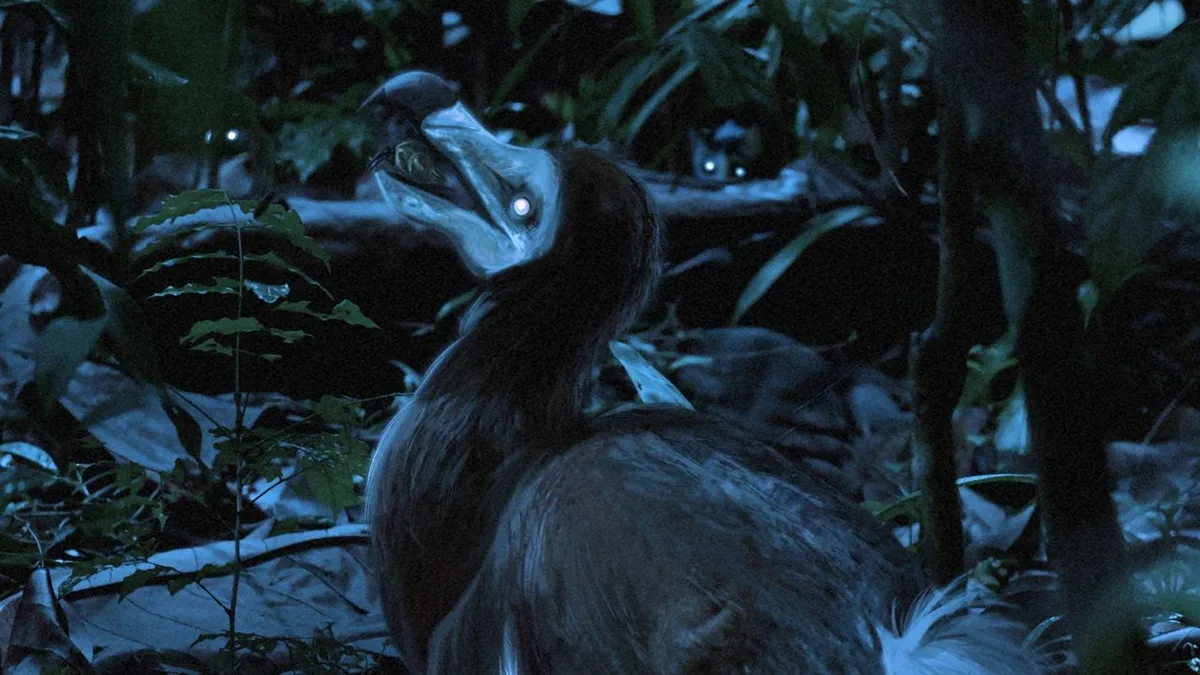
Despite historical portrayals, the dodo was a relatively intelligent bird that might have spent much of its life in the dark, new research suggests.
Dodos were traditionally portrayed as dumb, bumbling birds.
But now, scientists have scanned dodo skulls and found nothing to suggest these birds were stupid.
What they did find, however, was that the part of the dodo's brain that's responsible for visual processing was small — comparable to that of some nocturnal birds.
"Our interpretation is that this species was really, really not relying much on sight," study first author Sara Citron, a doctoral candidate in behavior and evolution at the University of Lethbridge in Canada, told Live Science.
"And the only situation where you're not relying on sight is when there is no light available." Dodos were wiped out within a century of humans settling on their island home of Mauritius in 1598.
However, it wasn't just hunting that drove them to extinction.
The sailors introduced dogs, cats, pigs and rats , which would have likely killed the birds and eaten their eggs.
These invasive species wreaked havoc on the dodo's ecosystem and continue to plague Mauritian wildlife to this day.
In the new study, published Aug.
5 in the Zoological Journal of the Linnean Society , researchers found that dodo brains scaled with their body size as would be expected for their group, which is made up of pigeons and doves.
In other words, their brains weren't especially small for their size, with no evidence of inferior intelligence compared to their relatives.
This isn't the first time researchers have poured cold water on the stereotypical depiction of dodos.
A 2024 study found that dodos were likely fast and powerful , rather than slow and bumbling.
5News aggregated this summary from the outlet’s public feed. The full article, with all the context, is on www.livescience.com — the content belongs to Live Science.