The hawk Fed Chair who broke the bond market?
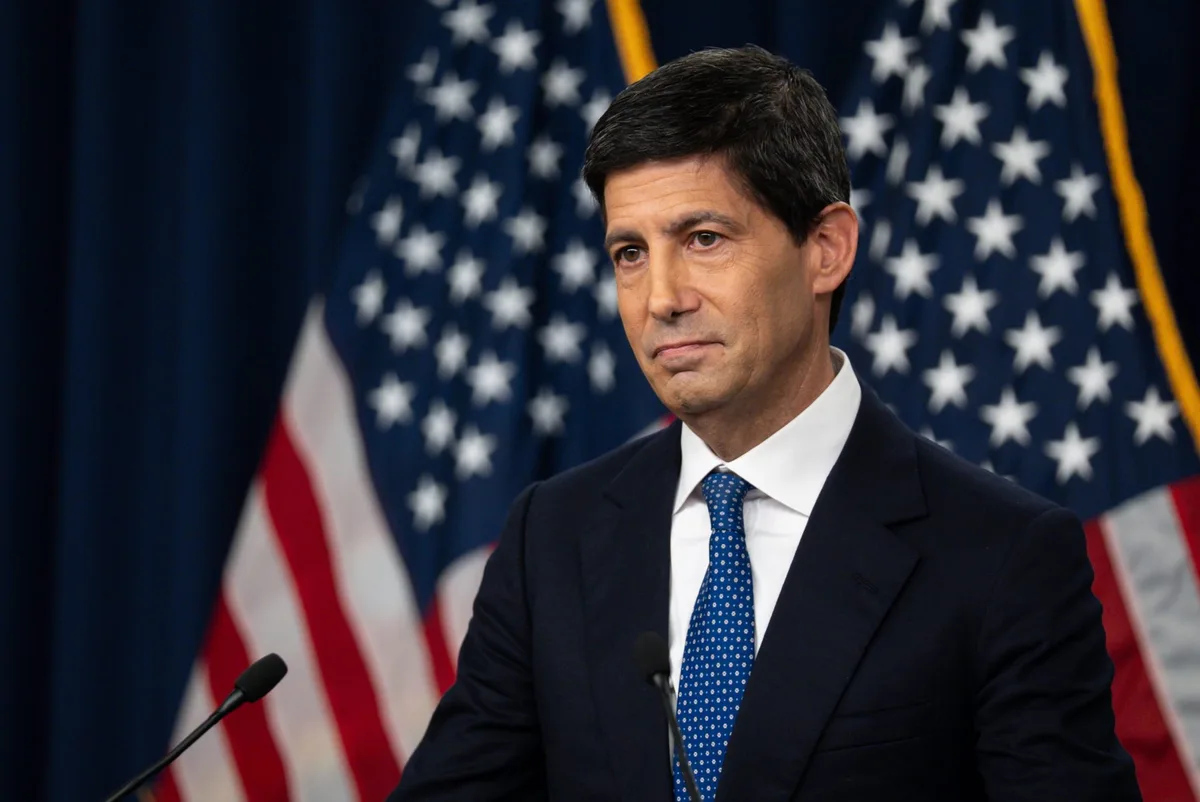
Kevin Warsh may be the most hawkish Federal Reserve chair since Paul Volcker.
That’s a compliment in some circles.
It’s also a warning.
Volcker beat inflation, but he broke things on the way, and the bond market is now finding out what Warsh might break.
Thirty-year Treasury yields have climbed to their highest level since 2002.
In September alone, the 10-year yield jumped more than half a percentage point, to about 5.3%.
It was the worst month for U.S. government bonds in four years.
The usual explanations don’t hold up for these movements.
Technical market dynamics that impact demand may include, for example, a modest slackening in the so-called basis trade (with hedge funds buying fewer Treasurys in support of leveraged bets).
Some observers point to an assumed increase in the “term premium” – the extra yield supposedly needed to offset duration risk for holders of longer-term bonds.
Other theories are even more esoteric and/or difficult to measure.
There might be an “absorption premium” – an academic suggestion – said to boost the yield for reasons too abstruse to summarize easily.
But technical factors seem insufficient to account for a shift of such magnitude in a $40 trillion market.
They may play some small role but they are not the drivers of this tectonic regime change.
5News aggregated this summary from the outlet’s public feed. The full article, with all the context, is on fortune.com — the content belongs to Fortune.