How El Niño Will Impact Fall and Winter Weather in the U.S.
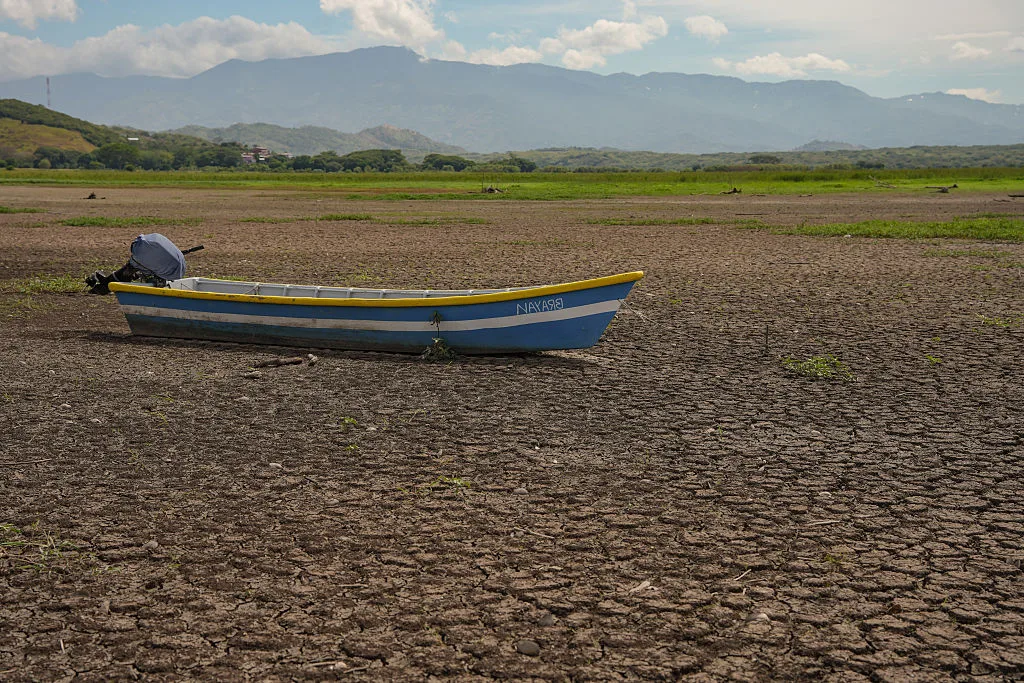
A boat on cracked ground at Lake Guija during drought conditions in Metapan, El Salvador, on Sept.
1, 2026. —Camilo Freedman—Getty Images With fall slowly creeping up, experts are warning of a record strong El Niño , colloquially dubbed “super El Niño.” The weather event is expected to impact global temperatures and rainfall, and could increase the risk of extreme weather events in some parts of the world.
What is El Niño? El Niño , and its opposite La Niña, are climate patterns that naturally occur in the tropical Pacific.
El Niño years tend to see warmer than average waters in the central and eastern Pacific Ocean, while La Niña years are associated with colder than average water temperatures.
The corresponding weather events triggered by the warmer ocean can have a varied and strong impact around the globe.
With El Niño, forecasters are expecting to see stormier weather in some parts of the world and drought conditions in others.
“Pacific sea surface temperatures are going to vary at least two degrees from the average.
That means the Pacific waters are going to be warmer than normal, and we can expect a lot of evaporation,” says Risper Nyairo, assistant professor in the department of environmental studies at Davidson College.
That evaporation means more moisture in the sky in some areas which can lead to more rain.
Meanwhile evaporation over dry land can increase drought.
El Niño typically peaks in the last few months of the year, but will remain active in the beginning of 2027.
Forecasts are predicting that this year’s El Niño will be the strongest in recorded history.
“The ocean conditions in the tropical Pacific are pushing towards record warmth,” says Marty Ralph, director of the Center for Western Weather and Water Extremes, and research meteorologist at UC San Diego Scripps Institution of Oceanography.
The warmer oceans, coupled with already record warming due to climate change, means that 2027 could shape up to be the warmest year on record.
5News aggregated this summary from the outlet’s public feed. The full article, with all the context, is on time.com — the content belongs to TIME.