Feminist orgs claim Meta censoring posts about Cornell 7 case
The civil lawsuit claiming that Jane Doe was drugged and raped by seven Chi Phi fraternity members at Cornell University has caused an eruption of content on social media, from the " I am Jane Doe " campaign to help conceal the woman's identity to celebrities like Florence Pugh posting about the allegations.
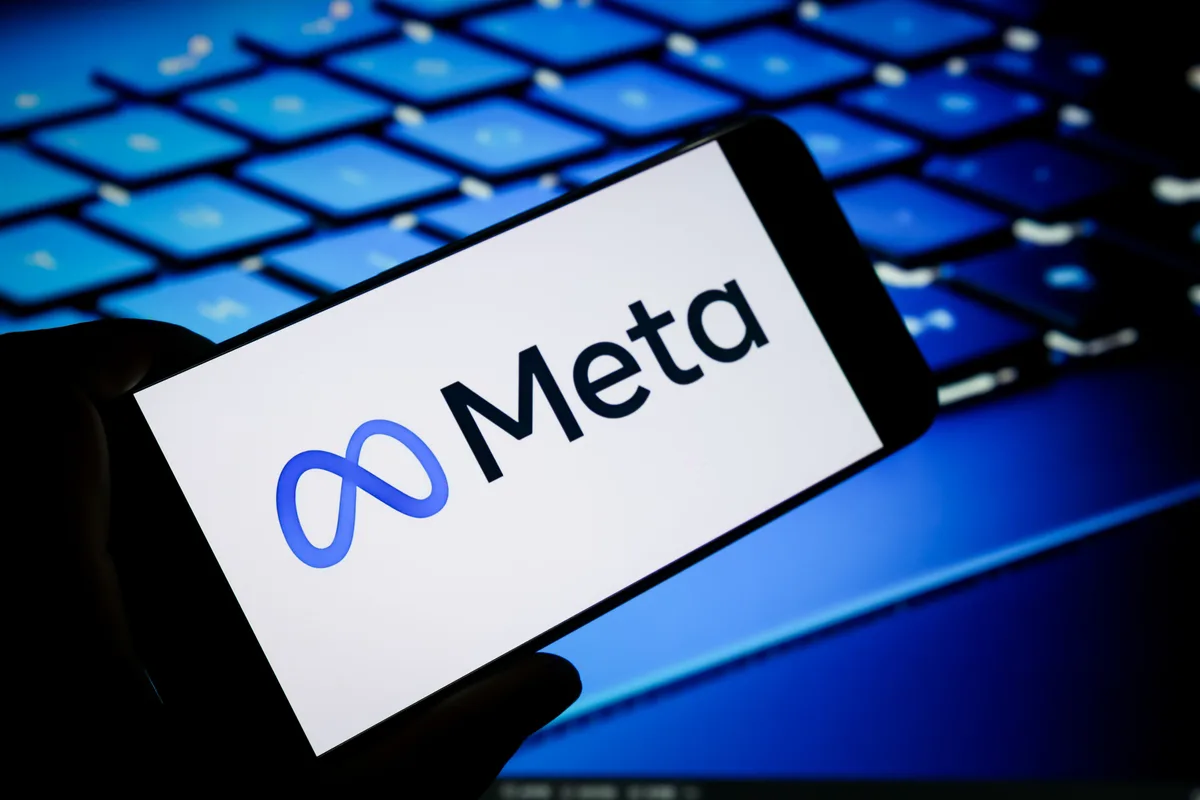
Now, a coalition of feminist and tech justice organizations claim Meta is censoring content about the case.
SEE ALSO: New York’s ‘voluntary intoxication loophole’: The legal gap at the center of the 'Cornell 7' case.
"We're in the midst of a classic censorship cycle designed to silence survivor voices," said Jenna Sherman, campaign director at women-led gender-justice organization UltraViolet, in a press release shared with Mashable.
"First, Cornell tried to cover up this horrific case.
Then, legacy media ignored it." Jane Doe's lawsuit brings several claims against the university, including negligence and negligent supervision.
Student journalists at The Cornell Daily Sun are credited with amplifying the story.
"Now, after Jane Doe and brave student journalists finally brought this story to light, Meta appears to be censoring content about the case across its platforms," Sherman continued.
Shortly after Pugh posted a statement in support of Jane Doe, she said Instagram placed a "sensitive-content" warning on her post, which prevented some people from seeing it and scrolling through the carousel.
"Am I being censored for talking about rape?" she asked.
Meta confirmed to TMZ that it initially placed the warning on the post, but has since lifted it.
But the coalition states that even a second post about the case was covered by the same label.
"Pugh is one of many users claiming that their posts are being censored, labeled, or shadowbanned by Instagram, Facebook, and Threads," they wrote.
UltraViolet, as well as other gender justice, tech accountability, and pro-democracy organizations, have launched a joint campaign in response.
5News aggregated this summary from the outlet’s public feed. The full article, with all the context, is on mashable.com — the content belongs to Mashable.