Trump’s South Korea Shift Tests a Key U.S. Alliance
U.S.
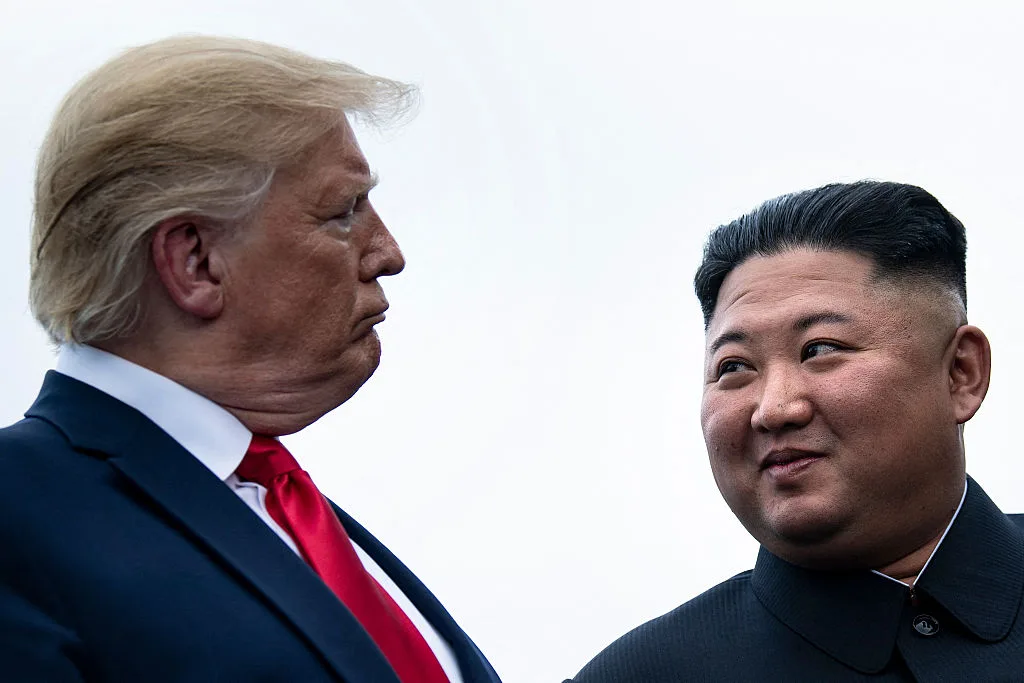
President Donald Trump and North Korea’s leader Kim Jong-un in Panmunjom on June 30, 2019. —Brendan Smialowski—AFP/Getty Images On the eve of the 10-day Ulchi Freedom Shield military drills —involving 18,000 South Korean troops alongside thousands of U.S. and U.N. forces—President Donald Trump dropped one of his trademark bombshells.
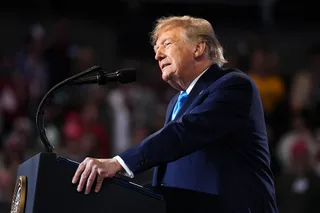
Announcing he would “substantially reduce” American participation, Trump cited his “very good relationship with Kim Jong Un” and need to rebuke Seoul for refusing to join his war against Iran .
“These exercises are not only costly … but send a signal that is totally inappropriate and hostile to a country that, as long as Donald J.
Trump has been president, has been unthreatening and respectful,” Trump posted on Truth Social.
In response, South Korea’s presidential Blue House said it remained in “close coordination" with Washington regarding the drills, which had begun as “previously notified and scheduled,” according to its defence ministry.
Still, the decision deals a severe blow to American alliance credibility.
Reducing participation in exercises underpinning a 72-year mutual defense treaty with democratic South Korea, while Trump emphasizes his personal relationship with Kim, raises questions about the durability of U.S. security commitments in the Asia-Pacific.
At the same time, it whitewashes a police state ranked 3/100 by rights group Freedom House—a regime whose sole formal treaty allies are primary U.S. adversaries China and Russia.
Furthermore, Trump’s assertion that Pyongyang has been “unthreatening and respectful” stands in contrast with North Korea’s continued military activity.
Since Trump re-entered office, North Korea has conducted 24 ballistic missile tests—alongside numerous cruise missile and air-defense firings—including a launch just last Wednesday .
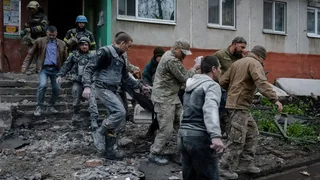
Pyongyang has also aggressively expanded its global military footprint following its June 2024 comprehensive strategic partnership with Moscow, dispatching more than 14,000 North Korean troops, artillery ammunition, and ballistic missiles to support Vladimir Putin’s war in Ukraine. (Ukrainian President Volodymyr Zelenskyy has warned that Kim is preparing to deploy 30,000 more.) Trump’s criticism of South Korea for declining to help “denuclearize” Iran also sits uneasily alongside North Korea’s longstanding role in the development of Tehran’s strategic weapons programs.
From a counter-proliferation perspective, North Korea presents a distinct challenge: unlike Iran, it already possesses an operational nuclear arsenal and has an extensive history of transferring missile and military technology abroad.
5News aggregated this summary from the outlet’s public feed. The full article, with all the context, is on time.com — the content belongs to TIME.