What Russia Is Really Up To in Europe
On Russian state television, the Kremlin’s propagandists have for years threatened to bomb European capitals, even while the country’s diplomats insist that no such war is imminent.
Lately, the denials have gotten hard to sustain, as European intelligence agencies have ascribed hundreds of clandestine sabotage operations—cyberattacks in Italy, arson in the United Kingdom, undersea-cable ruptures in the Baltic, severed pig heads left outside French mosques—to Russia.
U.S. intelligence assessments conclude that a conventional Russian attack on a NATO country is likely to happen sometime from this fall to 2029.
But another possibility is that Moscow will remain content with sabotage and intimidation.
This hybrid campaign is all the war Russia wants or needs—and stoking fear that Moscow just might directly strike Ukraine’s European allies is part of it.
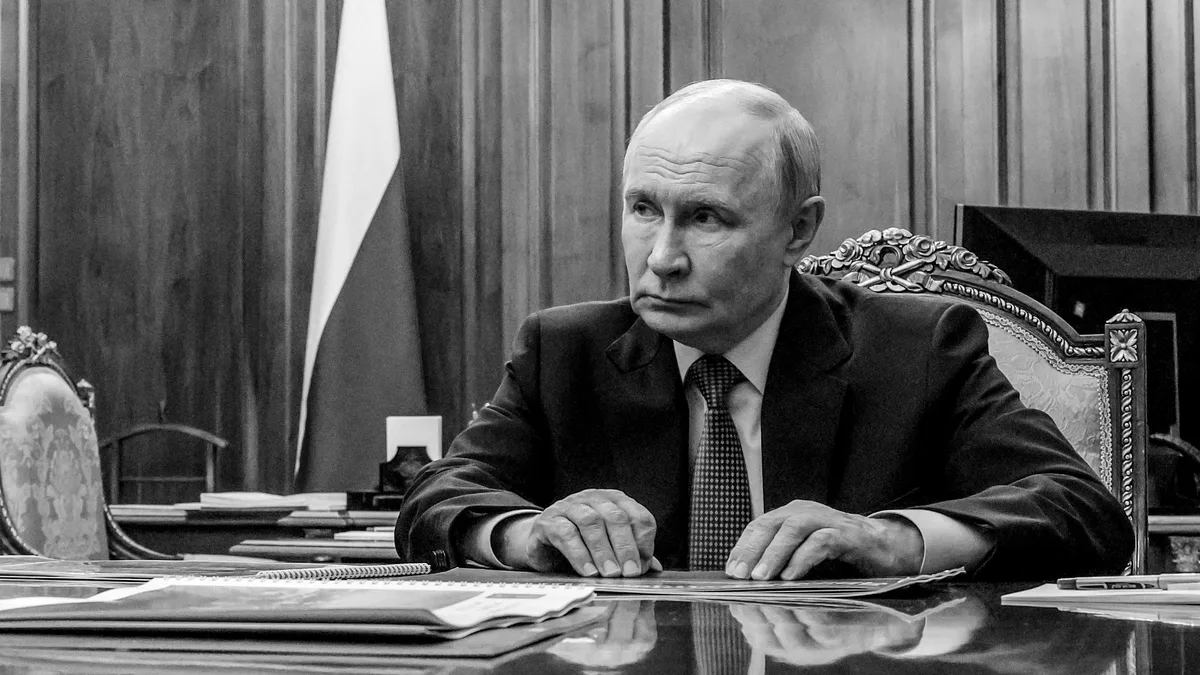
If this is what Russian President Vladimir Putin is really up to in Europe, then he was telling the truth when he assured Trump this week that Russia has “no aggressive intentions against European statehood.” Moscow has not massed troops on any NATO member’s border.
Rather, it has been sending a carefully calibrated message meant to persuade Europe to stop supporting Ukraine. [ Read: Putin’s explosive message to Trump ] For Moscow, this has been a summer of setbacks in Ukraine.
Russia stalled on the battlefield and sustained damage from thousands of Ukrainian long-range drones that plunged the country into fuel shortages.
And so it escalated elsewhere in Europe: Fires broke out at ammunition plants in Italy, Bulgaria, and Estonia last month, and explosive-laden drones were discovered near a German power plant and at an airport in Leipzig, apparently intended to destroy Ukrainian cargo planes.
From the Kremlin’s point of view, Europe has been deepening its involvement in Ukraine.
At the beginning of the full-scale war, Europe donated weapons to Ukraine from its own stocks.
Within two years, European governments were paying Ukrainian factories to manufacture arms.
Last year, Fire Point, a Ukrainian missile-and-drone manufacturer, announced that it would establish a solid-fuel production plant in Denmark, making it the first such arms company to expand production abroad.
Today, Europe provides the bulk of financial assistance to Kyiv.
5News aggregated this summary from the outlet’s public feed. The full article, with all the context, is on www.theatlantic.com — the content belongs to The Atlantic.