The “super influencers” powering the post-Trump right
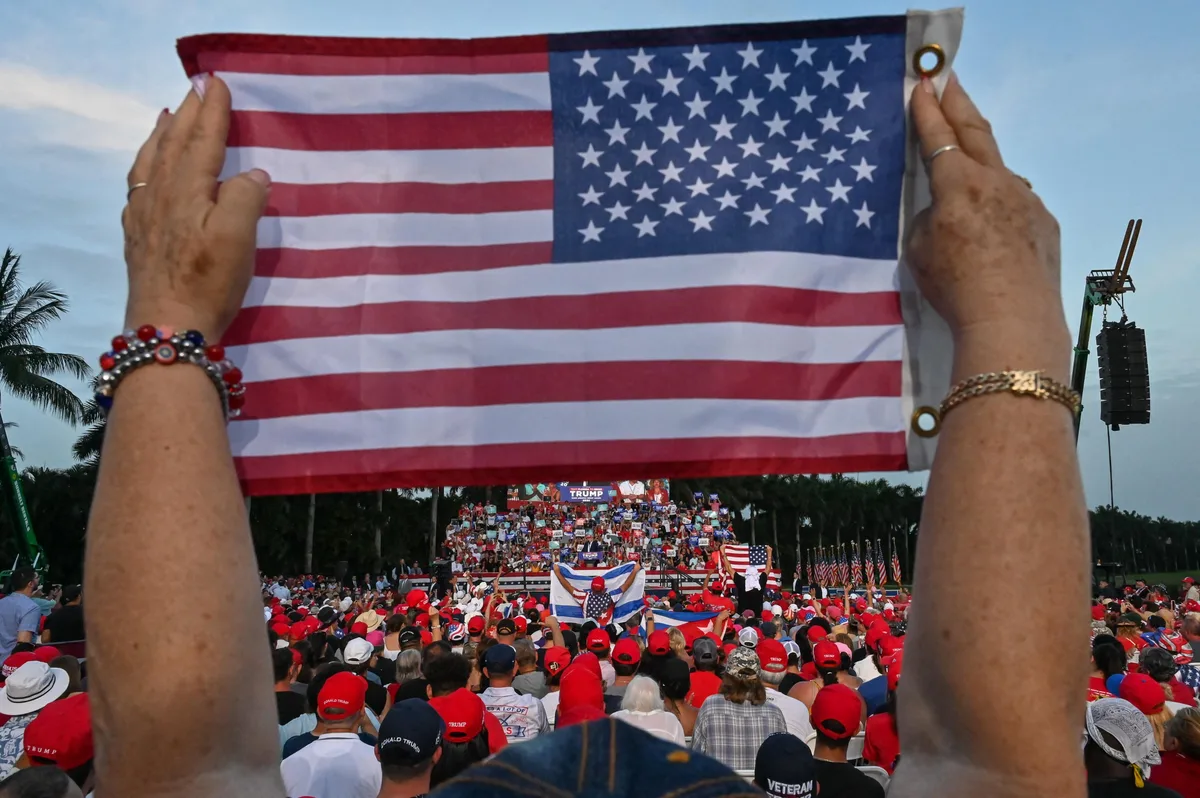
Though the preoccupations of the right’s new social thinkers may have arisen alongside Donald Trump, they themselves are not necessarily Trumpy. | Giorgio Viera/AFP via Getty Images Aaron Renn was in a good mood.
And that was fair: It’s not every day that you get labeled the No.
1 “intellectual super influencer” for a major swath of the Trump-era right.
“It’s always good to have some independent validation of your work,” he told me.
A former partner at the consulting firm Accenture, he’s now best known for his writing on urban policy and the role of evangelical Christians (like himself) in American culture.
His concept of the “negative world” — the idea that contemporary mainstream culture is inherently hostile to anyone taking evangelical principles seriously — has become influential enough to receive feature treatment in the New York Times .
Yet for anyone familiar with American politics, the idea that someone like Aaron Renn is in any way the No.
1 “super influencer” on the right might seem implausible.
He’s not a social media warrior with the White House’s ear, like Laura Loomer or Chris Rufo.
He’s not a household name like Tucker Carlson.
He doesn’t run a big media outfit like Ben Shapiro.
So where does Renn’s achievement come from, and what does it mean? The source is a new report from the boutique risk analysis firm Baron Public Affairs LLC.
Baron makes its money, in part, by advising corporate clients on how best to navigate the DC political environment to advance their interests.
Its new report is an attempt to guide them through a specific subset of the right: the national-populist corner of the right-wing policy world that’s achieved greater prominence since 2016.
5News aggregated this summary from the outlet’s public feed. The full article, with all the context, is on www.vox.com — the content belongs to Vox.