Kevin Warsh might have to get a lot less popular on Capitol Hill as bond yields soar and rate expectations turn hawkish
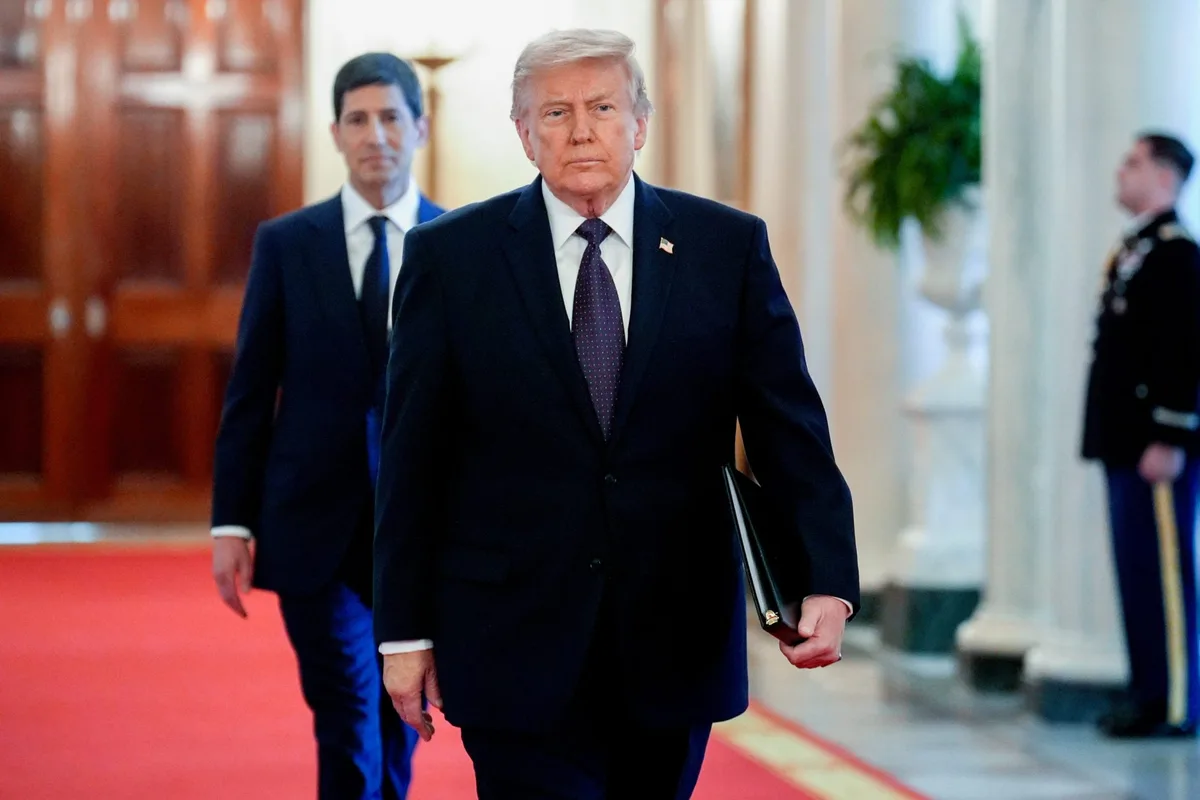
Kevin Warsh has—so far—managed to walk the line between his popularity in the White House and reassuring markets of Fed independence.
That balance is getting more precarious, as data is shaping up towards expectations for another base interest rate hike at the conclusion of the next Federal Open Market Committee (FOMC) meeting in October.
Expectations for another 25bps hike now sit at a little over 75%, CME’s FedWatch barometer shows at the time of writing.
That move would irk President Trump, who has been lobbying for lower rates since before he returned to office.
However, with market expectations shifting higher—as well as bond yields increasing—Warsh and the FOMC will face renewed credibility questions if they don’t act.
10-year Treasury yields sit over 5.1% at the time of writing.
The 30-year Treasury is above 5.4%.
As Deutsche Bank’s Jim Reid said to clients this morning, the 10-year sell-off marked the “biggest daily jump since the market turmoil after Liberation Day in April 2025, taking it up to a post-2007 high.” “A weak 5yr auction also didn’t help matters,” Reid added, “with yields up to their intraday highs after $70bn of notes were sold at 5.03%, +3.1bps above the pre-sale yield.” Inflation expectations are also adding fuel to the fire.
Markets had been cautiously optimistic for some good news on this front, with U.S and Iran negotiators meeting this week—heralding a potential de-escalation of the conflict in the Middle East and a normalization of oil prices.
Signs of an agreement remain elusive: Iran’s President Masoud Pezeshkian told the U.N. yesterday that it would never “bend the knee” but signaled it was ready for “ready for dialogue and diplomacy.” President Trump said he faced a decision: negotiating or “annihilat[ing]” the regime.
Oil prices have been tracking higher as the conversations continue, briefly hitting $108 per barrel of Brent crude this morning.
Previously, analysts had suggested this week was a hinging moment for oil in the medium term.
Macquarie’s Thierry Wizman wrote in a note Tuesday: “Agreements and accords that come out of [the] meetings may determine whether the war continues and intensifies or whether an off-ramp is found.” The oil question Wizman added: “The direction of crude oil prices still bears on what happens to inflation globally and the decisions taken by central banks in response.
We have seen every major central bank (including the U.S.’s Fed) cite either energy prices or “geopolitics” as a driver of decision-making going forward.
5News aggregated this summary from the outlet’s public feed. The full article, with all the context, is on fortune.com — the content belongs to Fortune.