Even in the era of NIL, college sports are stacked against student athletes—now lack of transparency is holding them back from a ‘fair market’
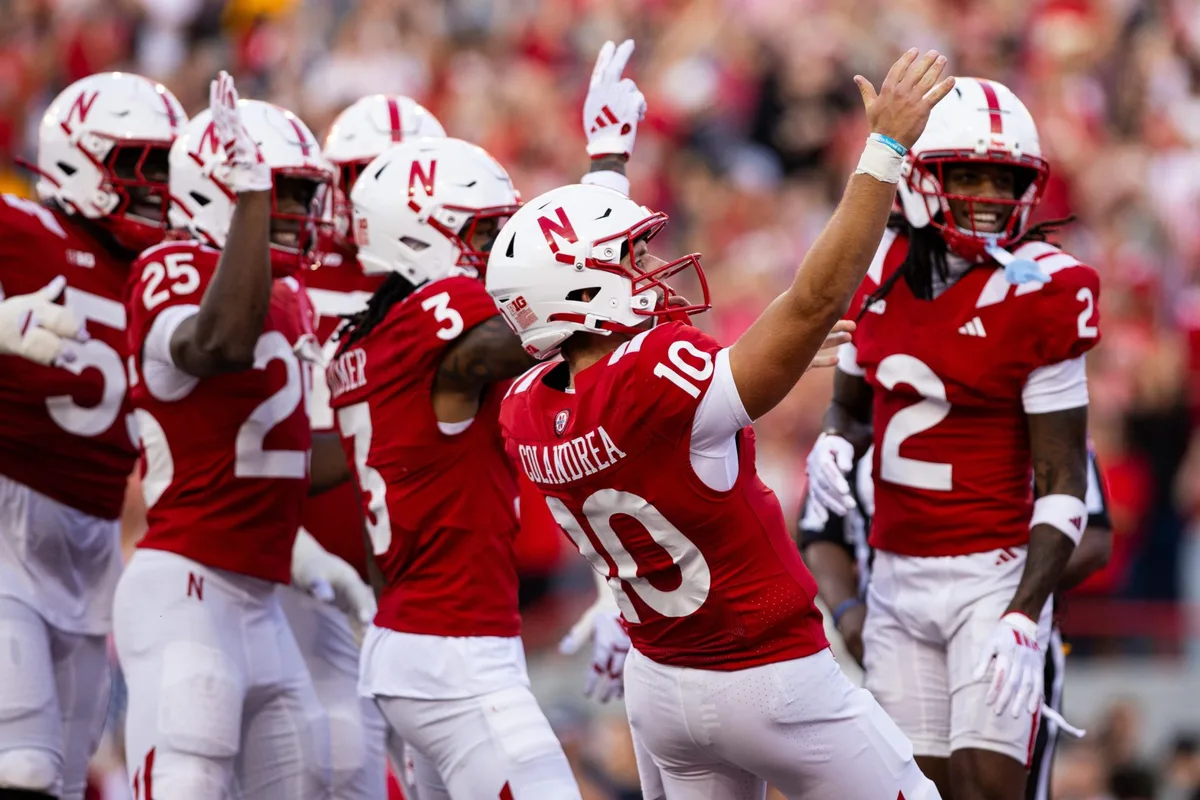
College sports are booming —and college athletes are earning like the pros.
Five years after the NCAA opened the door to name, image and likeness (NIL) compensation, college athletes can earn money from their schools, donors, collectives, brands and their own audiences.
But the NIL revolution isn’t fixing the one thing it was designed to: lack of fair payment for student-athletes.
The stakes of the NIL era trace back to O’Bannon v.
NCAA , the landmark case that challenged the premise that student-athletes could generate commercial value for their schools while receiving nothing in compensation.
The lawsuit ultimately established that the rules were subject to antitrust scrutiny, and the Ninth Circuit found the restrictions on athlete compensation too restrictive, opening the door for a system that allows student athletes to monetize themselves.
When NIL rules changed in 2021, the initial promise was straightforward—student-athletes would finally be allowed to make money from their own identities.
But according to Blake Lawrence, a former college football linebacker and co-founder of NIL technology company Opendorse, the marketplace that followed is a very complicated one that is a far cry from a fair market.
“Information is necessary to create a fair market,” Lawrence told Fortune , adding that 67% of school compensation tracked by his company goes to athletes without agents.
This has pushed student-athletes to maximize their earnings because there isn’t a professional intermediator, which in turn led donors to begin pooling money, brands began signing athletes and fans began buying jerseys.
And Opendorse’s data suggests the market is expanding faster than forecast. (function(){function e(){window.addEventListener(`message`,function(e){if(e.data[`datawrapper-height`]!==void 0){var t=document.querySelectorAll(`iframe`);for(var n in e.data[`datawrapper-height`])for(var r=0,i;i=t[r];r++)if(i.contentWindow===e.source){var a=e.data[`datawrapper-height`][n]+`px`;i.style.height=a}}})}e()})(); “Information is necessary to create a fair market,” Blake Lawrence, co-founder of NIL technology company Opendorse told Fortune .
Lawrence said 67% of school compensation tracked by the company goes to athletes without agents.
In other words, about two-thirds of athletes receiving compensation do not have professional representation helping them determine their value.
And that information gap has led players to find ways to maximize their payout.
5News aggregated this summary from the outlet’s public feed. The full article, with all the context, is on fortune.com — the content belongs to Fortune.