The Bigger Bet Behind Nvidia’s $12.9 Billion Hugging Face Deal
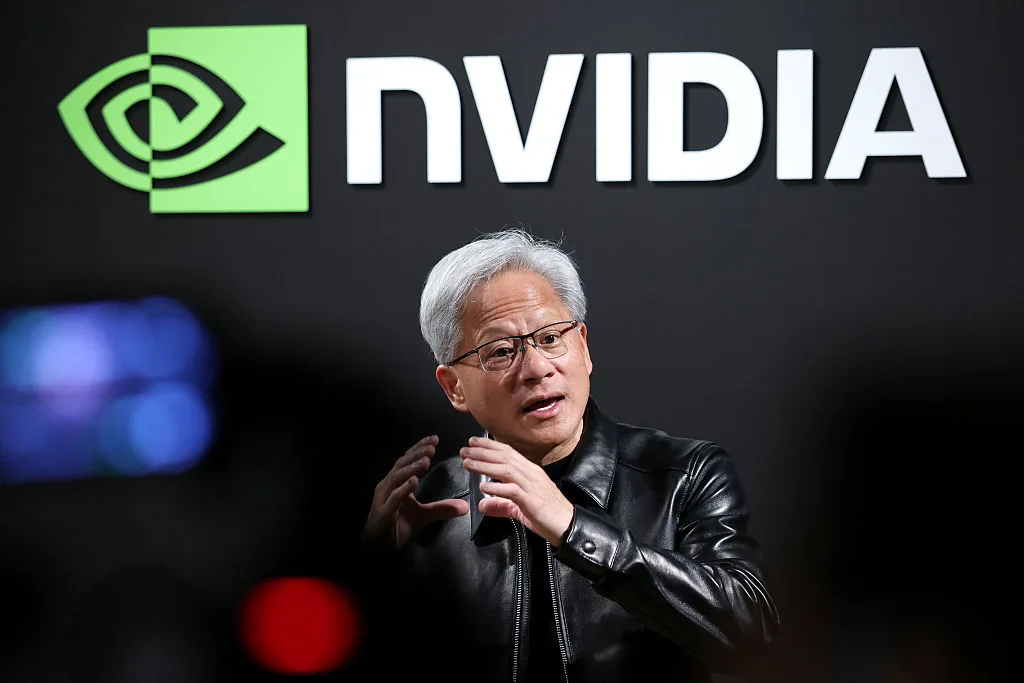
Jensen Huang speaks to members of the media in Tokyo on July 16, 2026. —Kiyoshi Ota—Bloomberg/Getty Images Nvidia has reportedly agreed to buy popular AI library Hugging Face for $12.9 billion.
The deal is partly a hedge against an emerging threat: AI companies which consume enormous quantities of Nvidia hardware are increasingly developing chips of their own.
In a future where AI becomes centralized in a small group of players with their own chips, those companies could demand lower prices from Nvidia or bypass it altogether.
Hugging Face, an online hub where developers share open AI models and datasets, gives Nvidia a stake in an alternative future, where downloadable AI models allow startups and governments to build systems of their own.
Few would have the scale to develop custom chips. (Nvidia and Hugging Face did not respond for comment.) With roughly 85% of the AI chip market, Nvidia’s share has only one way to go.
But a smaller slice of a much larger market could still mean more sales, says Umesh Padval, a Managing Partner at Seligman Ventures.
“If the deal goes through, I think it’s a brilliant chess move.” Nvidia has thrown its weight behind open-source AI in recent months.
It successfully lobbied Washington to loosen restrictions on selling its chips to China, which leads in open AI development.
More recently, it struck a $6 billion deal with Poolside, to develop an American open alternative.
In July, Nvidia helped lead an open letter defending open-source AI and urging Washington not to restrict it.
“Open models strengthen safety and cybersecurity, accelerate innovation and diffusion, and enable sovereignty,” Nvidia boss Jensen Huang wrote in his first post on X.
Meanwhile, Google now exclusively uses its custom TPU chips to train its Gemini AI models.
In August, Anthropic hired, Amir Salek, a former TPU team-lead at Google to spearhead a new in-house chip division.
The same month, OpenAI shared the first results from its custom chip, Jalapeño.
5News aggregated this summary from the outlet’s public feed. The full article, with all the context, is on time.com — the content belongs to TIME.