Saturday, October 10, 2026 SourcesAbout🌓
🇺🇸 US ▾
BREAKING
› Dominion still has pending lawsuits against election deniers such as Rudy Giuliani and Sidney Powell› Russia is 'going backwards' in equipment and deploying post WWII-era tanks, according to Western officials› Podcast: One country musician is calling for other artists to oppose assault rifles› Bidets save you money and reduce waste — we tested the best options out there› 50+ products to make your life easier and our planet cleaner› Mother's Day is around the corner. Here are 50+ thoughtful gifts she'll love› A head-to-toe guide of how men should dress this spring, and where they should shop› 42 of the most useful travel products you can buy on Amazon› The 7 best high-yield savings accounts of April 2023› Taxes are due tomorrow. Here's how to file for an extension› Dominion still has pending lawsuits against election deniers such as Rudy Giuliani and Sidney Powell› Russia is 'going backwards' in equipment and deploying post WWII-era tanks, according to Western officials› Podcast: One country musician is calling for other artists to oppose assault rifles› Bidets save you money and reduce waste — we tested the best options out there› 50+ products to make your life easier and our planet cleaner› Mother's Day is around the corner. Here are 50+ thoughtful gifts she'll love› A head-to-toe guide of how men should dress this spring, and where they should shop› 42 of the most useful travel products you can buy on Amazon› The 7 best high-yield savings accounts of April 2023› Taxes are due tomorrow. Here's how to file for an extension
Technology

A new solar cell could generate electricity underwater
Ars Technica ·
A new solar cell could generate electricity underwater

In one episode of the Hanna-Barbera cartoon Birdman , the eponymous hero struggles to fight the evil Dr.

Shark aboard a submarine without solar energy to recharge his powers.

So Birdman would surely appreciate the new perovskite solar cells developed by a team led by Simin Ma at Yunnan University, since they are designed to work underwater.

Solar cells made from perovskites rather than silicon are always a tale of trade-offs.

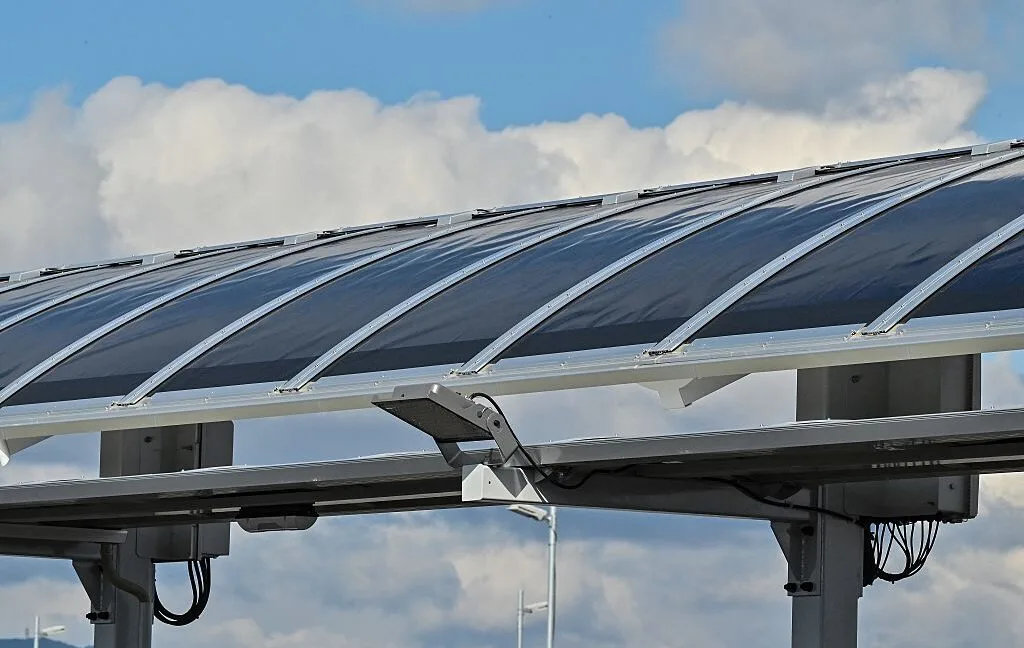
They can be made cheaply, they can take interesting forms (like thin, flexible, transparent films), and they can convert substantially more of the incoming solar energy into electricity.

The difficulty is that they tend to degrade quite quickly.

Tuned for the deep Moisture is particularly destructive to perovskites, making them a seemingly odd choice for an underwater solar panel.

But these materials have another critical superpower: They can be tuned to work with different wavelengths of light.

Water quickly blocks the wavelengths of light that silicon solar panels absorb, but a carefully designed perovskite cell could still make electricity in the deep blue sea.

And actually, the lower light levels and cooler temperatures should help it live longer.

Read full article Comments

Read the full article on Ars Technica ›

5News aggregated this summary from the outlet’s public feed. The full article, with all the context, is on arstechnica.com — the content belongs to Ars Technica.


More from Ars Technica

See all ›

More in Technology

See all ›