The new energy permitting bill to feed the AI boom unites fossil fuels and clean power while dividing green energy and environmentalists
The new, bipartisan legislation to expedite the construction of energy projects—and power the AI boom—is creating strange bedfellows and opponents.
In a rare instance, the fossil fuel industry is united with renewable energy, while some environmental groups are pitted against the green power sector.
There’s arguably more momentum than ever for the seemingly boring topic of infrastructure permitting reform, but it could be the most important decision Congress makes from now until January for the future of the tech boom, the environment, and energy affordability.
Power demand is rising at a nearly unprecedented scale—largely, but not entirely, driven by the data center construction spree—and electricity and utility prices are spiking for a myriad of reasons, including rising demand and antiquated infrastructure.
In short, the legislation accelerates permitting timelines for everything from solar farms and power lines to oil and gas pipelines, makes it harder for presidential administrations to yank permits, narrows environmental reviews, and limits litigation outside of federal courts.
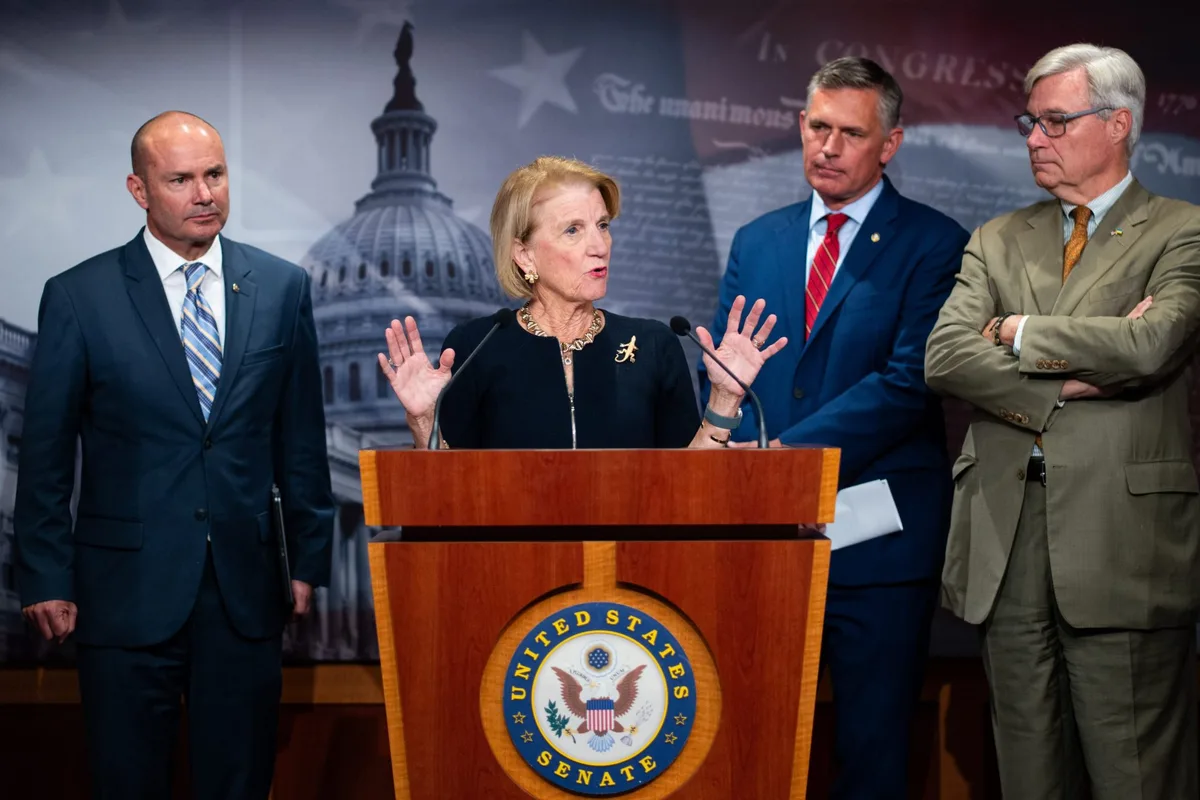
The new Bipartisan American Affordability and Jobs Act (BAAJA—cue the Mountain Dew Baja Blast jokes) is coauthored by typical enemies Sens.
Mike Lee, R-Utah, and Sheldon Whitehouse, D-R.I., as well as Sens.
Martin Heinrich, D-N.M., and Shelley Moore Capito, R-W.V., dubbing themselves the “Four Corners.” Or, to put it another way, it has the unusual support of both Whitehouse and the Trump White House.
For Democrats, it’s a win for clean energy, including all the wind and solar projects held hostage by President Donald Trump’s administration, while they remain nervous that the legislation is also too friendly to oil and gas and potential environmental risks.
For Republicans, well, there’s not much downside at all, except for those that truly despise green power or, perhaps wisely, fear increasing federal authority over local permitting matters.
Democrats must decide whether to take the deal in front of them or, possibly with a congressional majority next year, craft a version more to their liking that may be met with staunch GOP opposition and, thus, gridlock purgatory yet again.
Waiting until next year would still require 60 Senate votes and a too-liberal version could be vetoed by Trump.
Of course, there’s limited time to get all of this done, and votes are unlikely to begin until after the Nov.
3 midterm elections.
5News aggregated this summary from the outlet’s public feed. The full article, with all the context, is on fortune.com — the content belongs to Fortune.