A Perfect Album for a Frustrating Decade
One of the coronavirus pandemic’s many terrible legacies is the slow smothering of ambition in popular culture.
In the depths of the crisis, media—music, movies, and all the rest—were widely hailed as a “balm” for anxieties and a “lifeline” to the shared society we could look forward to someday returning to.
Yet at the same time, that pre-pandemic sense of cohesion was being destabilized.
Entertainers emerged from lockdown to find their fans wild-eyed with obsession and everyone else utterly unreachable.
The ensuing years in the arts have felt strange and stilted —defined by stalled dreams, a shattered common stage, and a nervous relationship between artists and audiences.
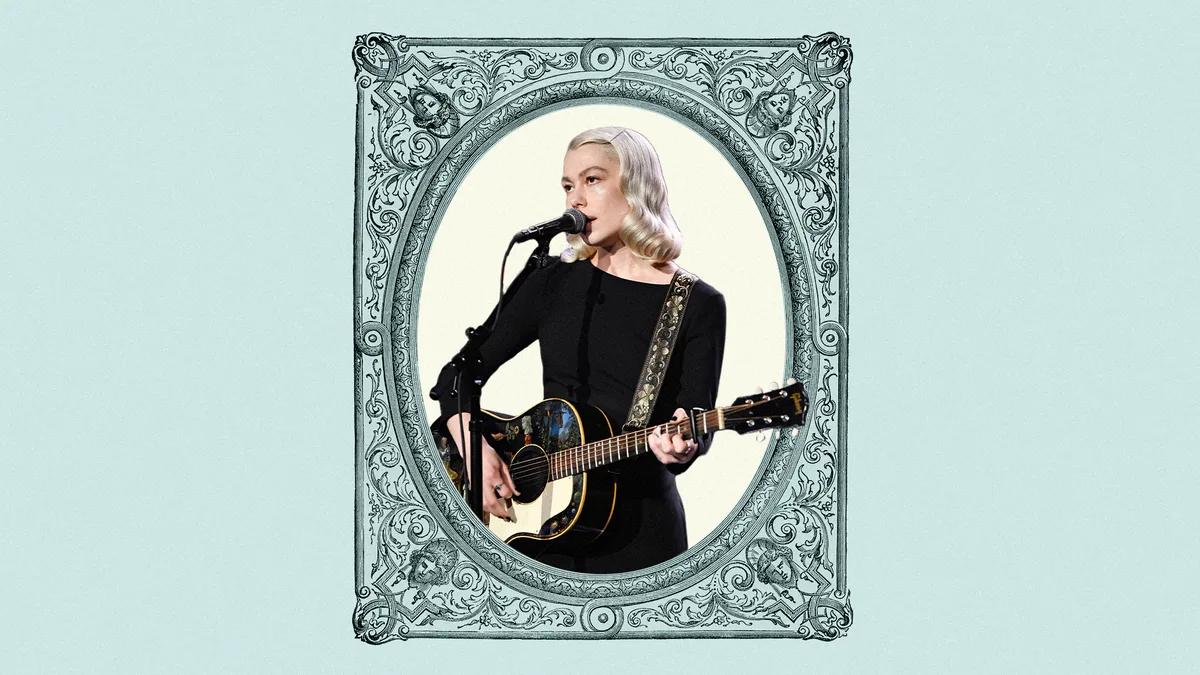
The Southern California folk singer Phoebe Bridgers is one artist who experienced the unique intensity of a pandemic breakthrough.
In June of 2020, her hushed and biting second album, Punisher , was received with the sort of acclaim suggesting the arrival of the next great American songwriter.
She was funny and thoughtful on social media, and fans came to regard her with all the intimacy of a best friend—despite her requests for them to step back and respect boundaries .
Now, after more than half a decade, she’s released her third full-length album, Lost Weekend —a beautiful but frustrating document of post-pandemic disappointment.
From her early days drawing buzz as a teenage disciple of pillow-voiced balladeers such as John Lennon and Elliott Smith, Bridgers’s appeal has lain in her ambivalence.
She is an adventurer with a reclusive streak; she wants to see the world outside of her phone and then get back to bed.
Many of her songs play like travelogues through a corrupted civilization—its skies littered with chemtrails and satellites, its bars patrolled by users and abusers.
Her sighing style of singing and the downward lilt of her melodies suggest that the world’s fallen nature simply tires her out.
“There’s no place like my room,” she sings on Punisher ’s closing track, “I Know the End.” In the years after that album, Bridgers didn’t actually disappear.
5News aggregated this summary from the outlet’s public feed. The full article, with all the context, is on www.theatlantic.com — the content belongs to The Atlantic.