Saturday, October 10, 2026 SourcesAbout🌓
🇺🇸 US ▾
BREAKING
› Dominion still has pending lawsuits against election deniers such as Rudy Giuliani and Sidney Powell› Russia is 'going backwards' in equipment and deploying post WWII-era tanks, according to Western officials› Podcast: One country musician is calling for other artists to oppose assault rifles› Bidets save you money and reduce waste — we tested the best options out there› 50+ products to make your life easier and our planet cleaner› Mother's Day is around the corner. Here are 50+ thoughtful gifts she'll love› A head-to-toe guide of how men should dress this spring, and where they should shop› 42 of the most useful travel products you can buy on Amazon› The 7 best high-yield savings accounts of April 2023› Taxes are due tomorrow. Here's how to file for an extension› Dominion still has pending lawsuits against election deniers such as Rudy Giuliani and Sidney Powell› Russia is 'going backwards' in equipment and deploying post WWII-era tanks, according to Western officials› Podcast: One country musician is calling for other artists to oppose assault rifles› Bidets save you money and reduce waste — we tested the best options out there› 50+ products to make your life easier and our planet cleaner› Mother's Day is around the corner. Here are 50+ thoughtful gifts she'll love› A head-to-toe guide of how men should dress this spring, and where they should shop› 42 of the most useful travel products you can buy on Amazon› The 7 best high-yield savings accounts of April 2023› Taxes are due tomorrow. Here's how to file for an extension
Technology

There's a new way to break RSA that's faster than anything we've seen before
Ars Technica ·
There's a new way to break RSA that's faster than anything we've seen before

The world has known for decades that the RSA cryptosystem ’s days are numbered.

Once quantum computing becomes practical (estimates for that range from 3 to 20 or more years), the foundational security it provides will crumble.

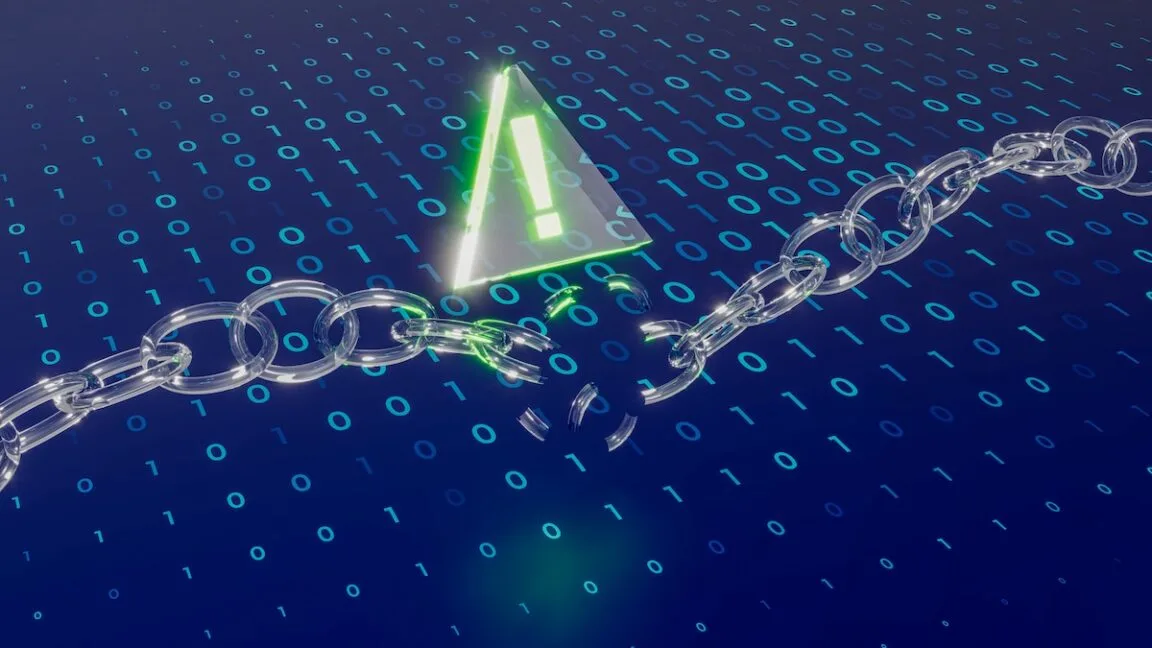
New research has revealed a novel method that uses classical computing to reduce the current RSA security level to an unacceptably low threshold.

The finding poses little to no practical threat in the immediate term, except possibly in a few edge cases.

Even applying the attack against the deprecated use of 1024-bit keys, the method requires more computation than just about anybody—short of nation-states or companies with massive resources—can achieve.

Widely used RSA implementations are also safe.

Nonetheless, the research has taken cryptographers by surprise because it introduces signature forgery, a new way to break RSA keys without factoring.

Equally important, this novel method reduces the required computing resources by orders of magnitude.

Read full article Comments

Read the full article on Ars Technica ›

5News aggregated this summary from the outlet’s public feed. The full article, with all the context, is on arstechnica.com — the content belongs to Ars Technica.
More from Ars Technica

See all ›

More in Technology

See all ›