Finally something California and Texas can agree on: regulating data centers
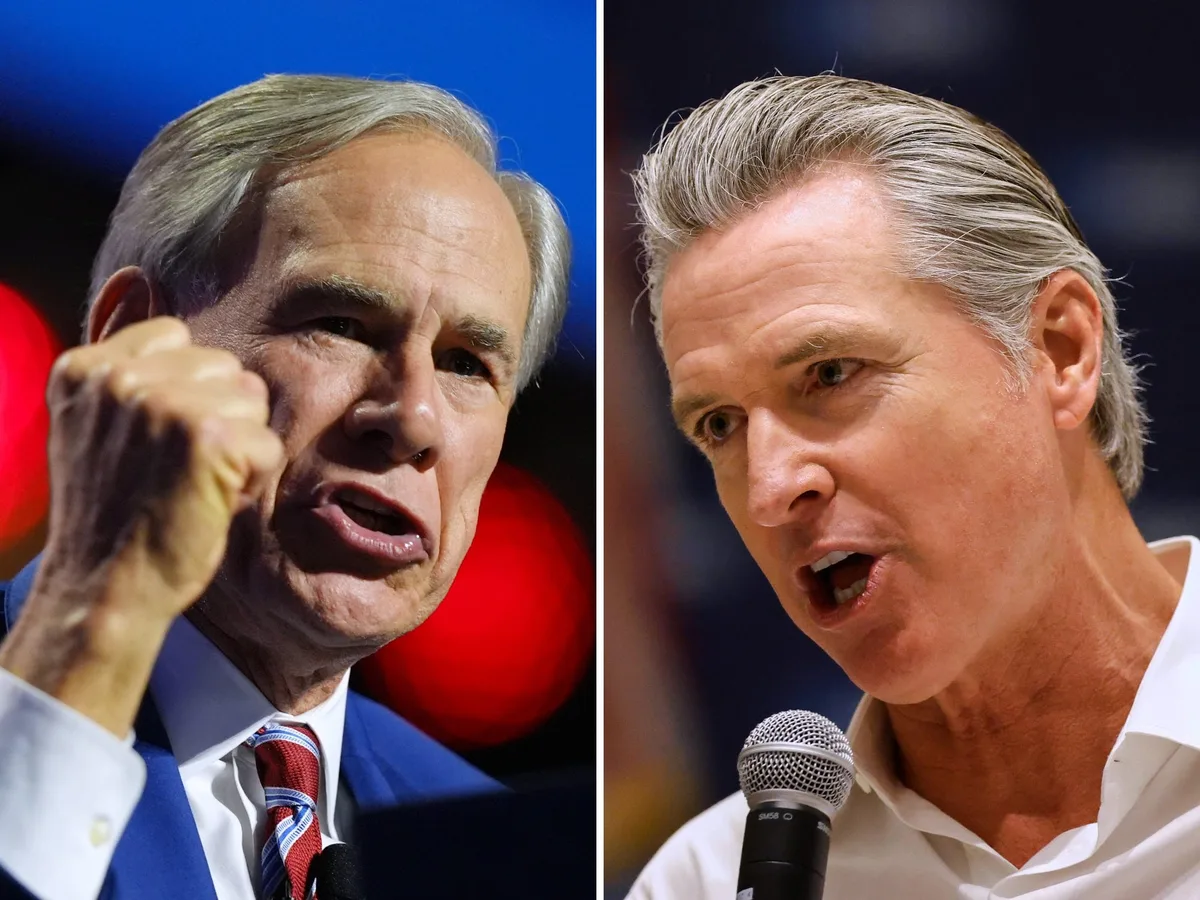
Jacquelyn Martin/AP Photo; Nell Redmond/AP Photo California and Texas are both limiting data center development.
Gov.
Gavin Newsom announced new regulations, while Gov.
Greg Abbott has paused new permits.
Data centers have drawn bipartisan backlash due to concerns over water use and energy prices.
Often used as shorthand for two opposing sides of America, California and Texas have finally found common ground — on data centers breaking ground.
The two most populous US states announced limits on data center development on Monday.
California Gov.
Gavin Newsom , a Democrat, signed a package of new laws regulating data centers.
The laws require data centers to disclose information about electricity and water use, make data centers ineligible for environmental exemptions, and aim to ensure consumers aren't saddled with rising energy costs, among other measures.
"While the Trump administration moves toward deregulation, communities are left to deal with the consequences — higher electricity demand, grid constraints, water use, and pollution," Newsom said in a statement, adding, "With these laws, we are ensuring that Californians remain in the driver's seat — and that those profiting from data centers aren't doing so at our expense." Meanwhile, in the Lone Star State, Republican Gov.
Greg Abbott directed the Texas Commission on Environmental Quality (TCEQ) to halt all new permits for data center development while the group that operates the state's electrical grid carries out an audit.
"Simply put, Texans must come first," Abbott said in a statement, adding that "data centers must pay their own way, protect our grid and water, and complete the ERCOT and TWDB audits," referring to the Electric Reliability Council of Texas and the Texas Water Development Board.
"Until they do, TCEQ will issue no permits sought by data center projects," he said.
5News aggregated this summary from the outlet’s public feed. The full article, with all the context, is on www.businessinsider.com — the content belongs to Business Insider.