Monster: The Lizzie Borden Story Has Nothing New to Say About Female Rage
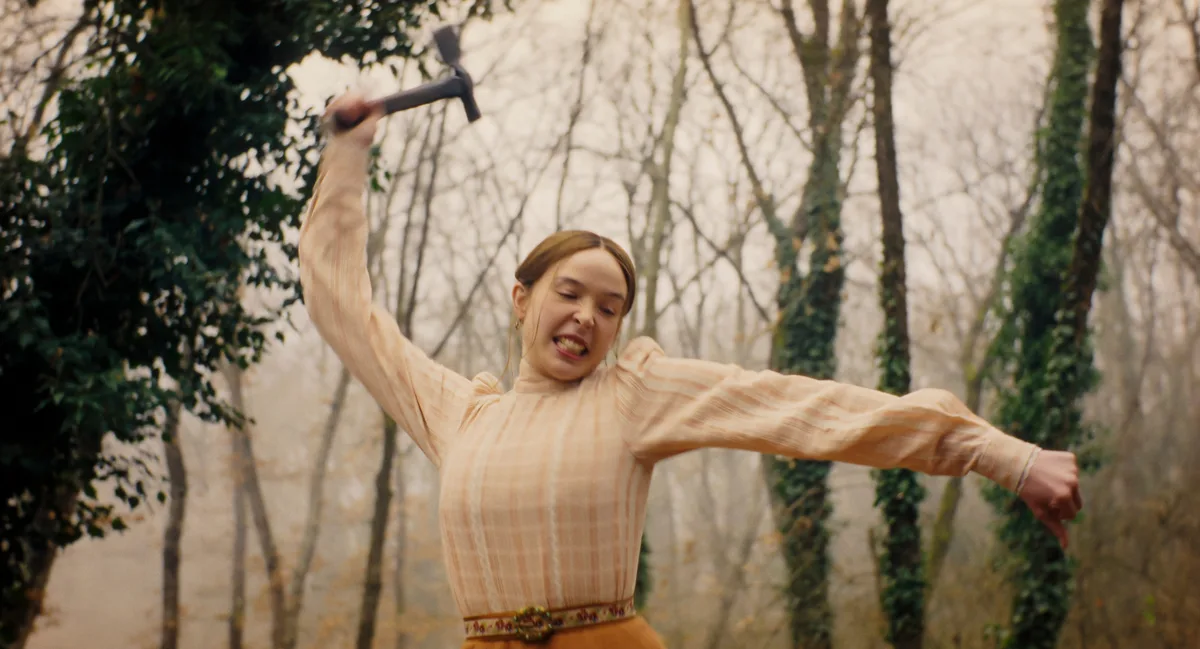
Ella Beatty in Monster: The Lizzie Borden Story —Netflix This article discusses the full season of Netflix’s Monster: The Lizzie Borden Story Monster: The Lizzie Borden Story is about female rage and repression.
That isn’t my personal interpretation of the latest installment of Ian Brennan and Ryan Murphy ’s Netflix true-crime anthology .
It’s the talking point that the show’s makers have been leading with, in publicity materials and in multiple interviews .
These are fine themes for the first season of Monster with a female subject, even if they’re not exactly unique within a post- Big-Little-Lies , #MeToo-informed TV landscape where so many dramas aimed at women double as amplifiers for gendered frustrations.
The well of misogyny isn’t in danger of running dry anytime soon.
But if we must keep diving into it, each descent should at least leave us with some new insight or nuance.
Lizzie Borden , now streaming, fails to clear even that bar.
Perhaps the least historically accurate Monster yet—and that’s saying something—the season uses the infamous tale of a Fall River, Mass. woman who probably hacked her wealthy father and stepmother to death with an axe in 1892 as a conduit to just about every plague on womankind you can imagine, past, present, and perennial.
Rape.
Domestic violence.
Pregnancy and childbirth.
Housework.
Menstrual maladies.
Pressure to marry.
5News aggregated this summary from the outlet’s public feed. The full article, with all the context, is on time.com — the content belongs to TIME.