FBI says an OpenAI engineer used his wife’s ChatGPT account to figure out how to plant a secret recording device at the office
The chatbot prompts read like a to-do list.
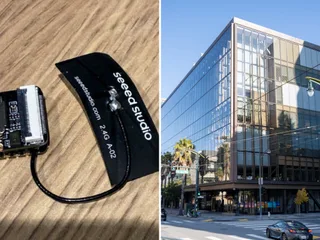
Build “a continuous audio recorder.” Add “live listening” and “downloading/deleting recordings.” Encrypt the SD card.
Make the USB output “power-only.” Develop “a second unit and speech-triggered recording,” then “a third unit.” Finally, “apply final protection and silence boot output.” According to court documents unsealed Tuesday, the prompts were sent between Sept.
24 and Sept.
30 from an AI chatbot account linked to the wife of Abdulrahman Alfozan, an OpenAI engineer, a Saudi national who has been a U.S. legal resident since Sept.
2020.
Prosecutors say that on or about Sept.
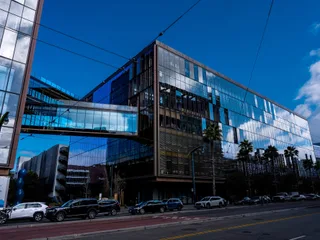
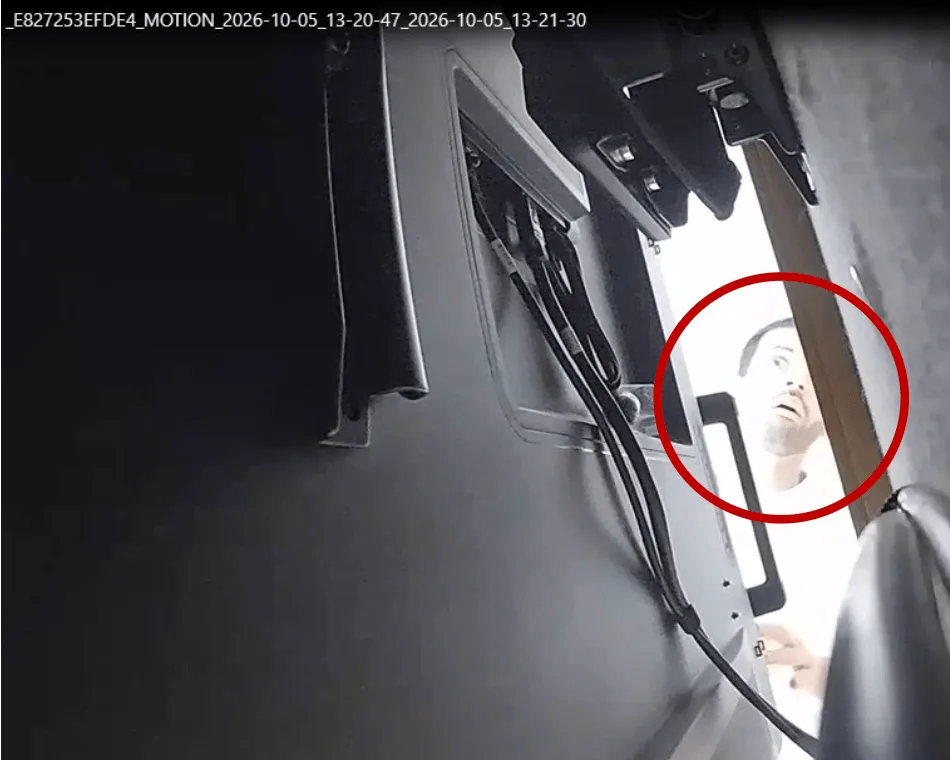
28, Alfozan hid a recording device behind a television in an executive conference room in one of the company’s San Francisco buildings after prompting an AI chatbot associated with his wife to build it.
The complaint does not charge his wife.
The chatbot, still unknown whether it was OpenAI’s ChatGPT, referenced Alfozan’s personal AI chatbot account and shared unique identifiers and IP usage.
But his wife’s account isn’t the only chatbot Alfozan is alleged to have used in this recording incident : about six weeks earlier, court documents say Alfozan used a productivity agent internal to OpenAI to determine which meeting rooms had a capacity for six or more people, and which rooms would host high-powered meetings.
“How about external partners, where would those usually meet with,” Alfozan is said to have prompted the productivity agent at OpenAI, according to court documents.
OpenAI has not yet responded to Fortune ‘s request for comment on whether the company was alerted to Alfozan’s prompts before discovering the recording device.
According to the FBI agent’s affidavit in court documents, Alfozan is said to have chosen this specific conference room, after prompting the productivity agent, because meetings there would “frequently involve discussions of highly confidential technical, commercial, and strategic information, including proprietary research, product plans, and business-development opportunities.” The affidavit also reads that the room “typically is used for internal leadership meetings…as well as external briefings with government officials and business counterparts.” Alfozan did not have access to the conference room; only executives and their assistants could reserve it.
5News aggregated this summary from the outlet’s public feed. The full article, with all the context, is on fortune.com — the content belongs to Fortune.