A Hurricane Season for the Books
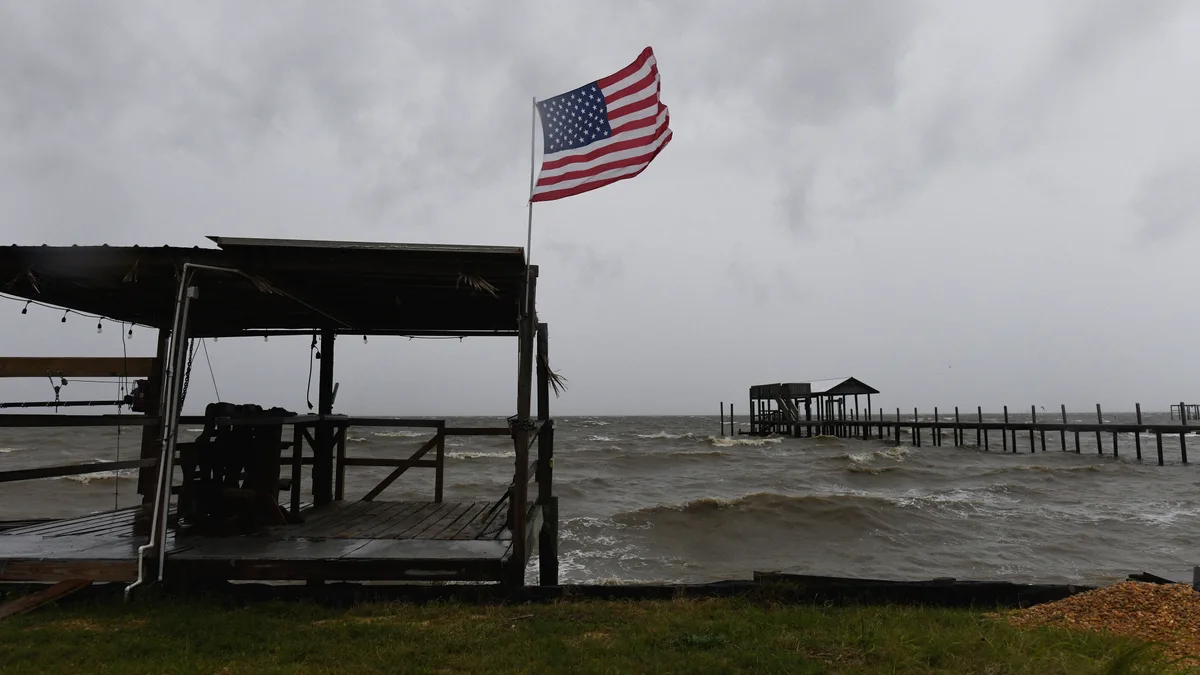
For more than four months, since this hurricane season began, the Atlantic has been eerily placid—a remarkable stretch without a single hurricane.
That prolonged calm has been rudely interrupted by Hurricane Isaias, a Category 3 fastball that is bearing down on the Gulf Coast and is expected to make landfall this evening near the Alabama-Florida line.
“I think we knew at some point we would likely have a hurricane,” Daniel Brown, the operations-division chief at the National Hurricane Center, told me.
Not to be outdone, the Pacific Ocean has two major storms brewing, including one, Hurricane Simon, that is expected to rapidly intensify into a Category 4 and slam into the coast of Mexico.
A smaller one, Tropical Storm Rachel, is forecast to be felt as far north as Southern California.
“It’s a busy day here,” Brown said.
This season’s dynamic—an unruffled Atlantic and a frothing Pacific—has been right out of the El Niño playbook and was predicted months ago.
El Niños tend to generate opposing winds—low-altitude trade winds out of the east and higher-up westerlies—that tear apart Atlantic storms as they try to form and also keep them from gaining strength.
This type of wind shear is affecting Hurricane Isaias now, Brown said, which means that the storm could weaken a little before it makes landfall.
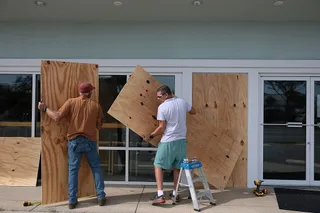
But for the moment, it’s still whipping at 115 miles an hour, and the forecast warns of “life-threatening storm surge and devastating winds.” Coastal counties have ordered evacuations; the governors of Alabama and Florida are declaring emergencies; residents are scrambling through hurricane prep.
Forecasters are projecting landfall on the stretch of coastline near Mobile, Alabama, and Pensacola, Florida.
Once the storm moves inland, it’s expected to continue to cause problems and could knock out power across wide swaths of the Southeast.
Florida Governor Ron DeSantis said during a news conference that thousands of utility linemen and National Guardsmen are standing by.
The Gulf Coast states know how to brace for this kind of storm, but they’ve had an unusually long reprieve from watching and waiting to see how bad the next one will be.
5News aggregated this summary from the outlet’s public feed. The full article, with all the context, is on www.theatlantic.com — the content belongs to The Atlantic.