We Spotted So Many Workarounds for Flock’s New Rules on Police Camera Surveillance
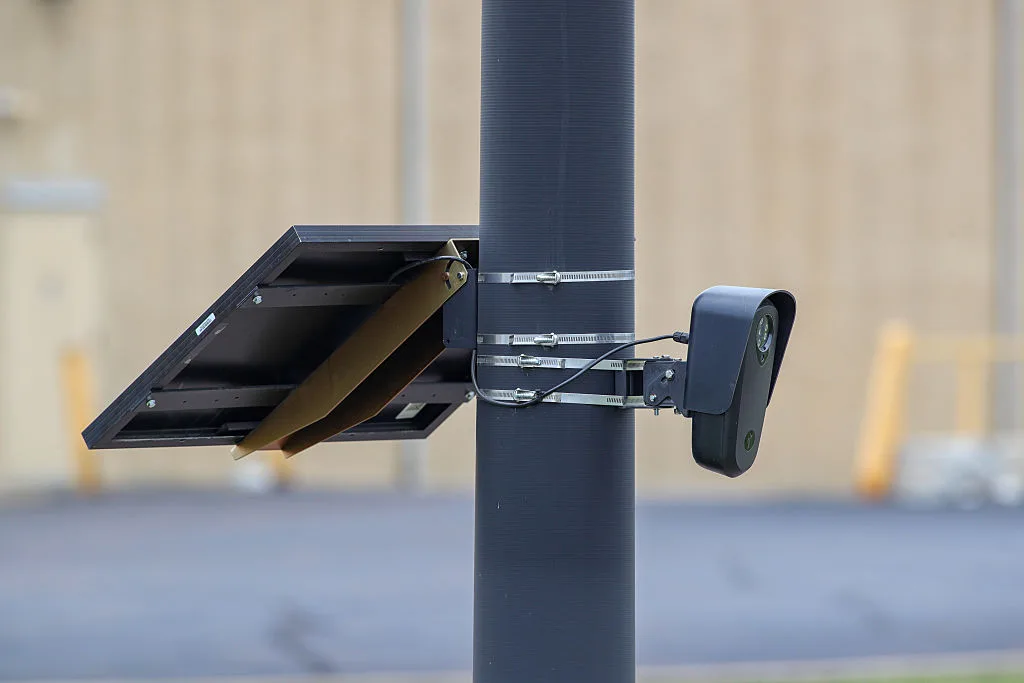
Following dozens of reported cases of police abuse, including the arrest of three Georgia deputies on Monday and the investigation of a Massachusetts officer , Flock Safety announced new policies for the use of its AI surveillance cameras on Thursday.
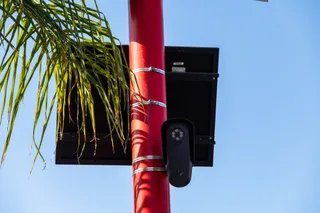
Flock Safety cameras can track license plates, car features and, on the right models, humans as well. They can also listen for disturbances such as gunshots. These camera networks have drawn scrutiny over their potential to enable casual surveillance of communities, as well as documented abuses, including police using the systems to monitor former partners or inventing pretexts for searches that result in information being shared with agencies such as ICE, as I detail in my full guide here . That’s led to protests, Flock contract cancellations and in some cases, cities blocking cameras by wrapping them in trash bags because Flock won’t take them down.
This is Flock’s largest response to these issues that I’ve seen to date, with a series of changes governing how police can use its surveillance systems. Most of these changes won’t be required until the end of the year, and some won’t affect existing contracts. Flock has also created exceptions to the new rules, leaving police and sheriff’s departments responsible for enforcing them while giving them mechanisms to continue using the cameras as they see fit.
According to a statement from the American Civil Liberties Union , Flock operates more than 120,000 automatic license plate readers in at least 6,000 cities.
“Flock has attempted this before, and the security measure failed because police were easily able to circumvent the system’s requirement that they input the purpose of their search,” the ACLU says. It encourages Flock to use an independent evaluator to oversee its regulations.
Representatives from Flock Safety didn’t immediately respond to a request for comment.
Every new Flock rule announced seems to come with a caveat. One of the biggest changes is a reduction in the length of time Flock retains camera data — and, consequently, how long that data can be used for searches — from 30 days to seven. But Flock also says that “Existing customers will keep their current, democratically approved retention periods,” meaning most users won’t see the change for some time.
There’s also a new evidence mode that ignores the new retention period, allowing police to hold data indefinitely while pursuing active investigations of their choice.
Flock is also adding a feature called “offense filtering,” which can limit the specific Flock camera information that outside agencies have access to. This doesn’t change much because police departments can set their own limits when sharing data. As previously reported, police departments have already violated state laws by sharing information with ICE, the FBI and other agencies.
Another change makes Flock’s new audit assistance feature mandatory by 2027. Audit assistance flags suspicious camera use, such as repeatedly searching for the same license plate. It’s unclear how the system could differentiate between tracking a stolen car for a period of time and stalking someone.
5News aggregated this summary from the outlet’s public feed. The full article, with all the context, is on www.cnet.com — the content belongs to CNET.