Tuesday, August 18, 2026 SourcesAbout🌓
🇺🇸 US ▾
BREAKING
Dominion still has pending lawsuits against election deniers such as Rudy Giuliani and Sidney Powell Russia is 'going backwards' in equipment and deploying post WWII-era tanks, according to Western officials Podcast: One country musician is calling for other artists to oppose assault rifles Bidets save you money and reduce waste — we tested the best options out there 50+ products to make your life easier and our planet cleaner Mother's Day is around the corner. Here are 50+ thoughtful gifts she'll love A head-to-toe guide of how men should dress this spring, and where they should shop 42 of the most useful travel products you can buy on Amazon The 7 best high-yield savings accounts of April 2023 Taxes are due tomorrow. Here's how to file for an extension Dominion still has pending lawsuits against election deniers such as Rudy Giuliani and Sidney Powell Russia is 'going backwards' in equipment and deploying post WWII-era tanks, according to Western officials Podcast: One country musician is calling for other artists to oppose assault rifles Bidets save you money and reduce waste — we tested the best options out there 50+ products to make your life easier and our planet cleaner Mother's Day is around the corner. Here are 50+ thoughtful gifts she'll love A head-to-toe guide of how men should dress this spring, and where they should shop 42 of the most useful travel products you can buy on Amazon The 7 best high-yield savings accounts of April 2023 Taxes are due tomorrow. Here's how to file for an extension
Technology

As temperatures get hotter, pesticides are more dangerous to farmworkers
Ars Technica ·
As temperatures get hotter, pesticides are more dangerous to farmworkers

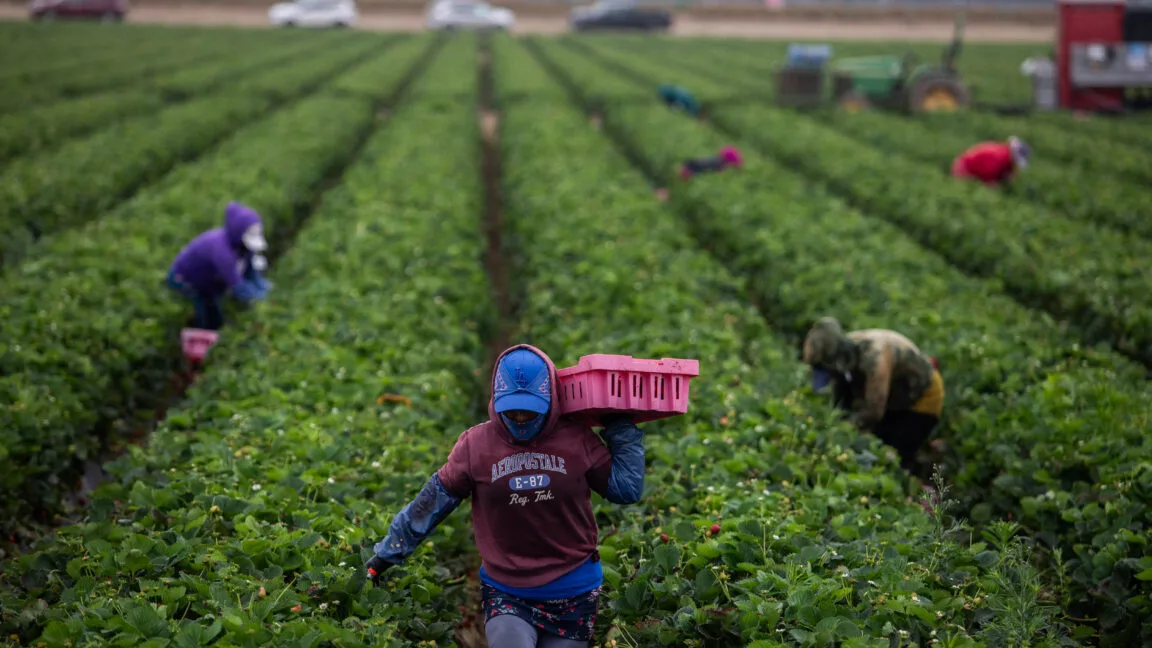
For the nation’s 2.4 million farmworkers, climate change is poised to exacerbate the harms of pesticides, a growing body of research shows.

Heat stresses the body , making it more vulnerable to pesticides and other toxicants, and protective clothing worn in the heat only adds to this stress.

Hotter temperatures can also lead to higher evaporation rates, increasing farmworkers’ exposure as more pesticides are applied to crops.

And heat can boost rates of chemical transformation of pesticides into more toxic compounds.

“When it’s in the air, you are inhaling it through your nose.

You are exposed to it through your other organs like skin.

Your skin can absorb some of the pesticides [that are] in the air, and also when you’re sweating as part of doing your work you are increasing the pore size of your skin,” said Omanjana Goswami, a scientist in the food and environmental program at the Union for Concerned Scientists, an advocacy group.

“It is awful.

There is no other word for it.” Read full article Comments

Read the full article on Ars Technica ›

5News aggregated this summary from the outlet’s public feed. The full article, with all the context, is on arstechnica.com — the content belongs to Ars Technica.


More from Ars Technica

See all ›

More in Technology

See all ›