Thomson Reuters built its own AI model off Chinese tech to rely less on Claude
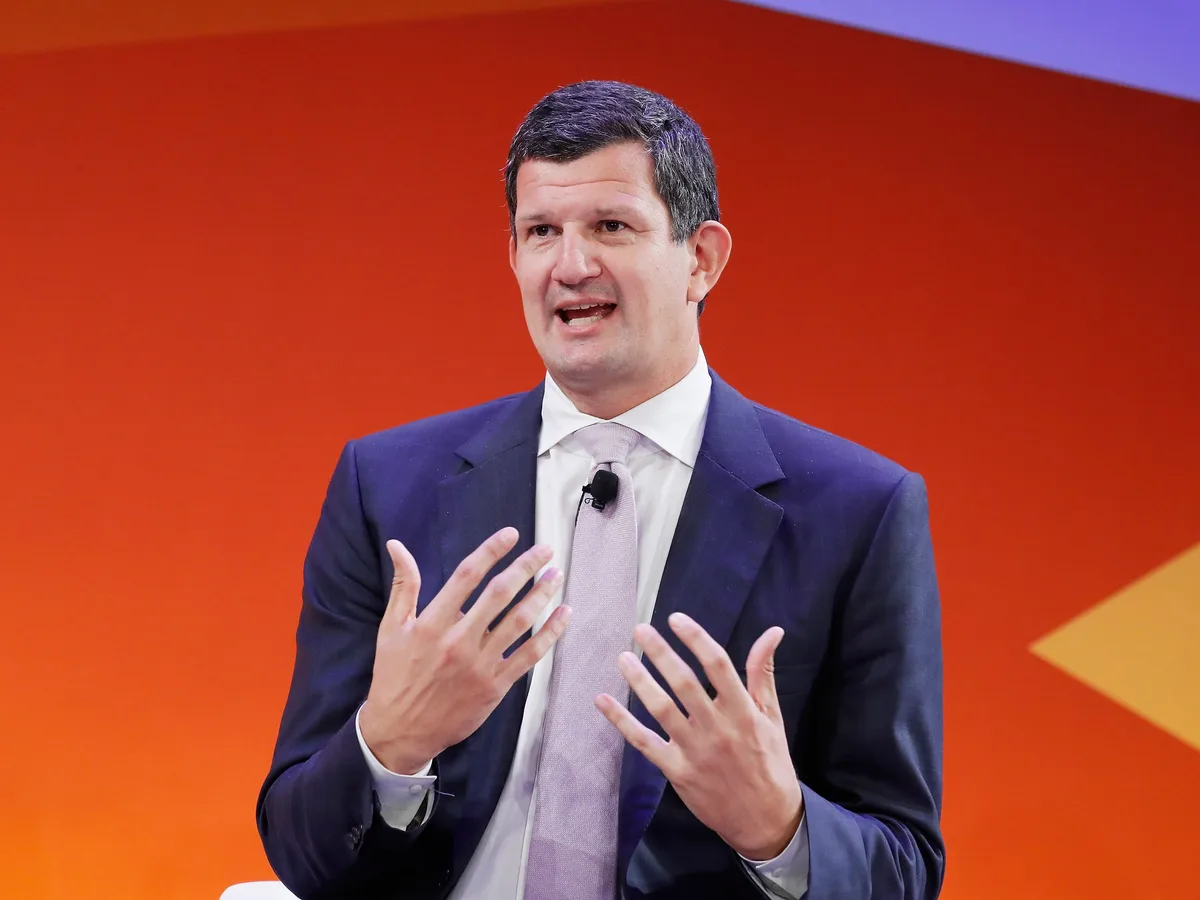
Thomson Reuters CEO Steve Hasker.
John Lamparski/Getty Images for Advertising Week New York Thomson Reuters built Thomson-1 with a "realigned" version of Alibaba's Qwen3.5 model.
Thomson-1 will save on costs, although it's not meant to replace Anthropic's Claude entirely.
Companies are increasingly turning to open-source Chinese models as high AI prices bite.
The Canadian data and legal giant Thomson Reuters wants to rely less on costly AI from Anthropic — and it turned to a Chinese open-source model to do it.
Thomson Reuters launched its first AI model, Thomson-1, on Monday, and it's based on Snowdon, which was built by "realigning" an open-source Qwen model from the Chinese tech giant Alibaba, its chief technology officer Joel Hron said.
Open-source means anyone can download the models for free and adjust them as they please.
Thomson-1 will take over some tasks previously handled by Claude, although Hron said that it's not intended to replace the company's work with Anthropic and other labs.
Rather, Thomson-1 will focus on areas in which the company has expertise, starting with document review.
The shift to building an in-house model comes as large companies feel the pinch from high AI costs driven by chatbots like Claude and OpenAI's Codex.
It's also a sign that cheap Chinese AI could be a boon to Western tech companies, with many startups already building products off Chinese open-source models .
Hron said Thomson Reuters decided to build its own model to better harness the company's expertise in specific areas.
He also cited cost as one of the main reasons.
Thomson Reuters expanded its partnership with Anthropic in May for its AI legal assistant, CoCounsel, which Hron said still relies mostly on Claude.
5News aggregated this summary from the outlet’s public feed. The full article, with all the context, is on www.businessinsider.com — the content belongs to Business Insider.