Sunday, October 11, 2026 SourcesAbout🌓
🇺🇸 US ▾
BREAKING
› Russia is 'going backwards' in equipment and deploying post WWII-era tanks, according to Western officials› Podcast: One country musician is calling for other artists to oppose assault rifles› Bidets save you money and reduce waste — we tested the best options out there› 50+ products to make your life easier and our planet cleaner› Mother's Day is around the corner. Here are 50+ thoughtful gifts she'll love› A head-to-toe guide of how men should dress this spring, and where they should shop› 42 of the most useful travel products you can buy on Amazon› The 7 best high-yield savings accounts of April 2023› Taxes are due tomorrow. Here's how to file for an extension› Composting is an easy way to reduce food waste. Here's how to do it› Russia is 'going backwards' in equipment and deploying post WWII-era tanks, according to Western officials› Podcast: One country musician is calling for other artists to oppose assault rifles› Bidets save you money and reduce waste — we tested the best options out there› 50+ products to make your life easier and our planet cleaner› Mother's Day is around the corner. Here are 50+ thoughtful gifts she'll love› A head-to-toe guide of how men should dress this spring, and where they should shop› 42 of the most useful travel products you can buy on Amazon› The 7 best high-yield savings accounts of April 2023› Taxes are due tomorrow. Here's how to file for an extension› Composting is an easy way to reduce food waste. Here's how to do it
Technology

A new report from Europe raises serious alarms about orbital collisions
Ars Technica ·
A new report from Europe raises serious alarms about orbital collisions

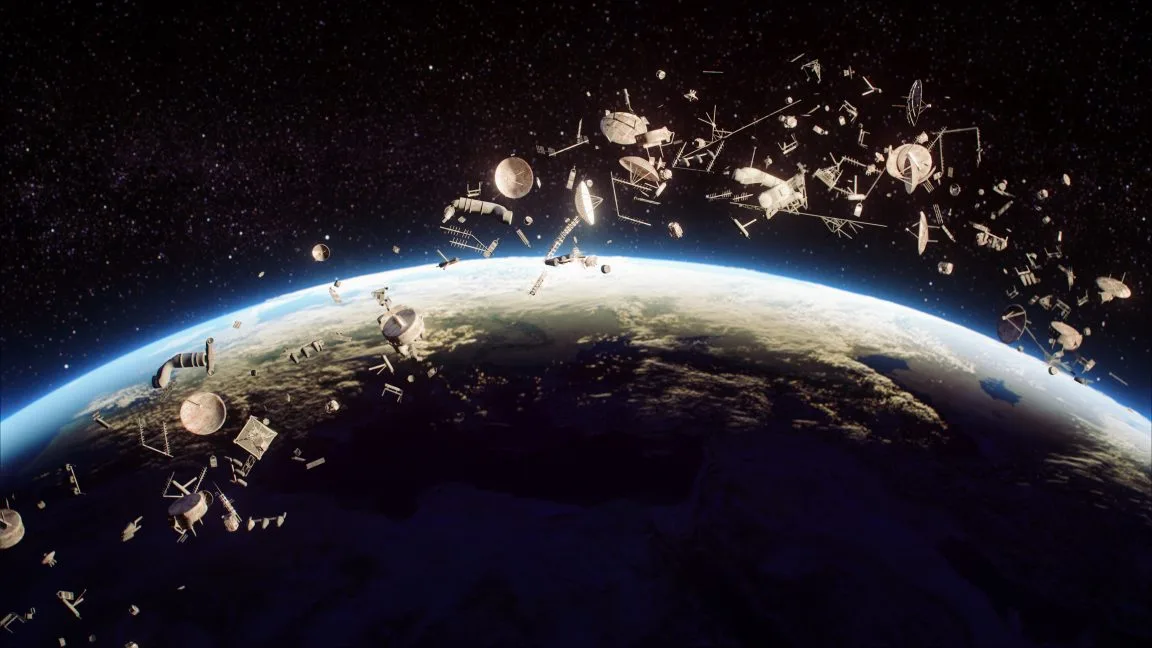
The 2013 sci-fi blockbuster film Gravity , starring Sandra Bullock and George Clooney, popularized the notion of the Kessler syndrome.

In the movie, Russia shoots down a defunct satellite and creates a cloud of debris, leading to serious tension in orbit.

The movie is fantastic, a true thriller, and while some liberties were taken with the depiction of outer space, the basic premise of a cascading series of collisions rendering orbits too cluttered with debris to be usable is valid.

The idea was first proposed by NASA scientists Donald Kessler and Burton Cour-Palais nearly half a century ago.

Still, the movie was science fiction, right? Read full article Comments

Read the full article on Ars Technica ›

5News aggregated this summary from the outlet’s public feed. The full article, with all the context, is on arstechnica.com — the content belongs to Ars Technica.

More from Ars Technica

See all ›

More in Technology

See all ›