How Trump’s Proposed Census Changes Could Impact States’ Funding—and Political Power
U.S.
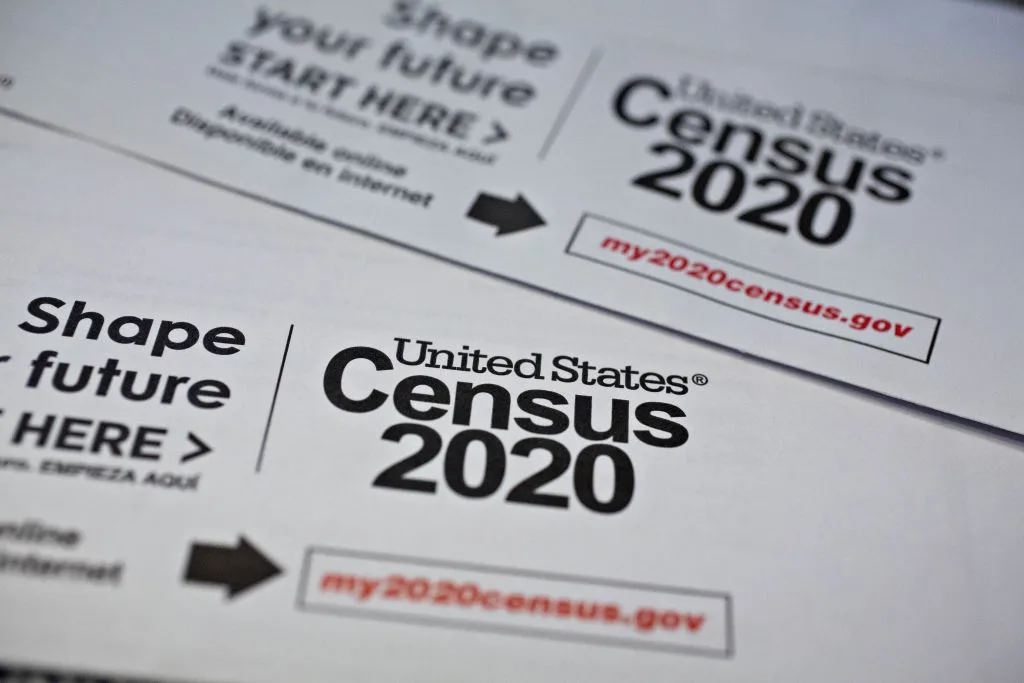
Census 2020 mailings are arranged for a photograph in Arlington, Virginia, on March 24, 2020. —Andrew Harrer—Bloomberg/Getty Images The Trump Administration is proposing making changes to the U.S. census that could have a sweeping—and unequal—impact on the federal funding and congressional representation that states receive.
The proposals , which still need to go through an approval process before being enacted, were publicly shared by the Administration earlier this week.
In the document, the Trump Administration proposes excluding people who are not U.S. citizens and don’t have permanent residency from the census count.
It also proposes barring census officials from including some demographic questions, such as ones about race, ethnicity, and sexual orientation, in the questionnaire.
If the changes are approved, they would upend the federal government’s understanding of the country’s population, which would have cascading effects on the resources allocated to certain states.
Here’s what to know about the census, the proposed changes, and which states could be impacted most heavily by the proposals.
What is the census? The U.S. census takes place every 10 years, as required by the Constitution.
The purpose of the census is to count every person residing in the U.S.
The results are then used to help allot the appropriate number of seats to each state in the House of Representatives, as well as to redraw electoral districts.
The federal government also uses the data collected in the official count to help decide how to allocate funding to states.
The next census will take place in 2030.
What are Trump’s proposed changes to the census? The Trump Administration is proposing that census officials add a question related to citizenship to the questionnaire, and exclude people who are undocumented immigrants and non-citizens without permanent resident status in the official count.
That would mean that immigrants who are in the country legally but do not have green cards would not be included in the tally.
5News aggregated this summary from the outlet’s public feed. The full article, with all the context, is on time.com — the content belongs to TIME.