As cervical cancer rates fall, HPV is causing more throat and mouth cancers in men — why?
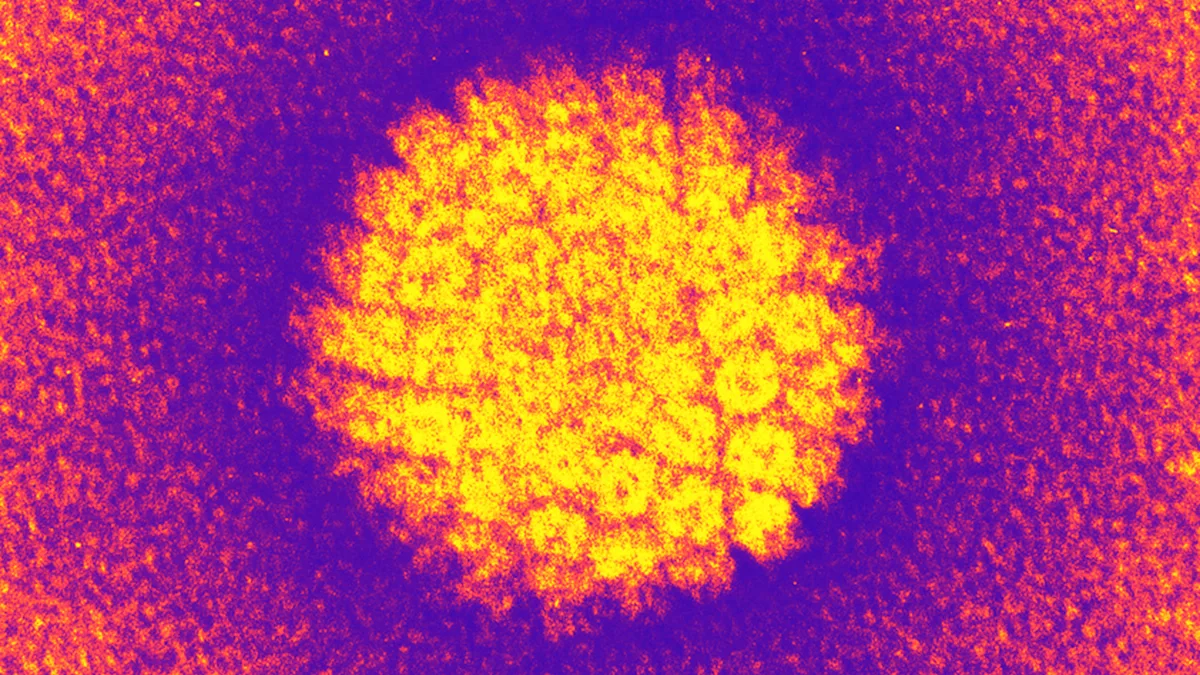
Vaccination against human papillomavirus (HPV) has drastically reduced cervical cancer rates among women who got the vaccine.
But as doctors celebrate that news, they're warning of an ongoing uptick in other HPV-related cancers that is mostly affecting men.
Throat and mouth cancers, broadly known as oropharyngeal cancers, linked to HPV are on the rise, mostly in middle-aged and older men, data suggests.
These cancers affect the back of the throat along the tonsils and the base of the tongue.
A 2023 study of the U.S. found that cases of HPV-related oropharyngeal cancer had more than tripled between 1988 and 2004 , with the bulk of that trend driven by male patients.
This trend continues worldwide today, with one Danish study finding another tripling between 2000 and 2017.
So what's driving this trend, and what can be done? How is HPV related to cancer? HPV is an umbrella term that includes many viruses; those that cause cancer are known as "high-risk HPV." These high-risk strains spread during sex , including oral sex, making the leap from one body to another through tiny cuts in the skin or mucous membranes.
About 80% of sexually active adults will contract the virus in their lifetimes, usually within a few months to years of starting to have sex, according to the National Cancer Institute ; about half of those cases are high-risk HPV.
Most people's immune systems clear the virus within a year or two, but in some people, HPV lurks in the body and causes DNA damage that can turn cells cancerous.
There are 12 types of high-risk HPV, which are known to cause anal cancer, cervical cancer, oropharyngeal cancer, penile cancer, vaginal cancer and vulvar cancer.
Two strains, known as types 16 and 18, are the most likely to cause cancer.
Anal cancer, penile cancer, vaginal cancer and vulvar cancer rates are all rising, too, although oropharyngeal cancer is more common than any one of these.
Why are throat and mouth cancers on the rise? According to data from the U.S.
Centers for Disease Control and Prevention , an average of 13,600 cases of oropharyngeal cancers likely caused by HPV are diagnosed in men each year.
5News aggregated this summary from the outlet’s public feed. The full article, with all the context, is on www.livescience.com — the content belongs to Live Science.