Proposed Oura Lawsuit Highlights Wearables’ Health Limitations
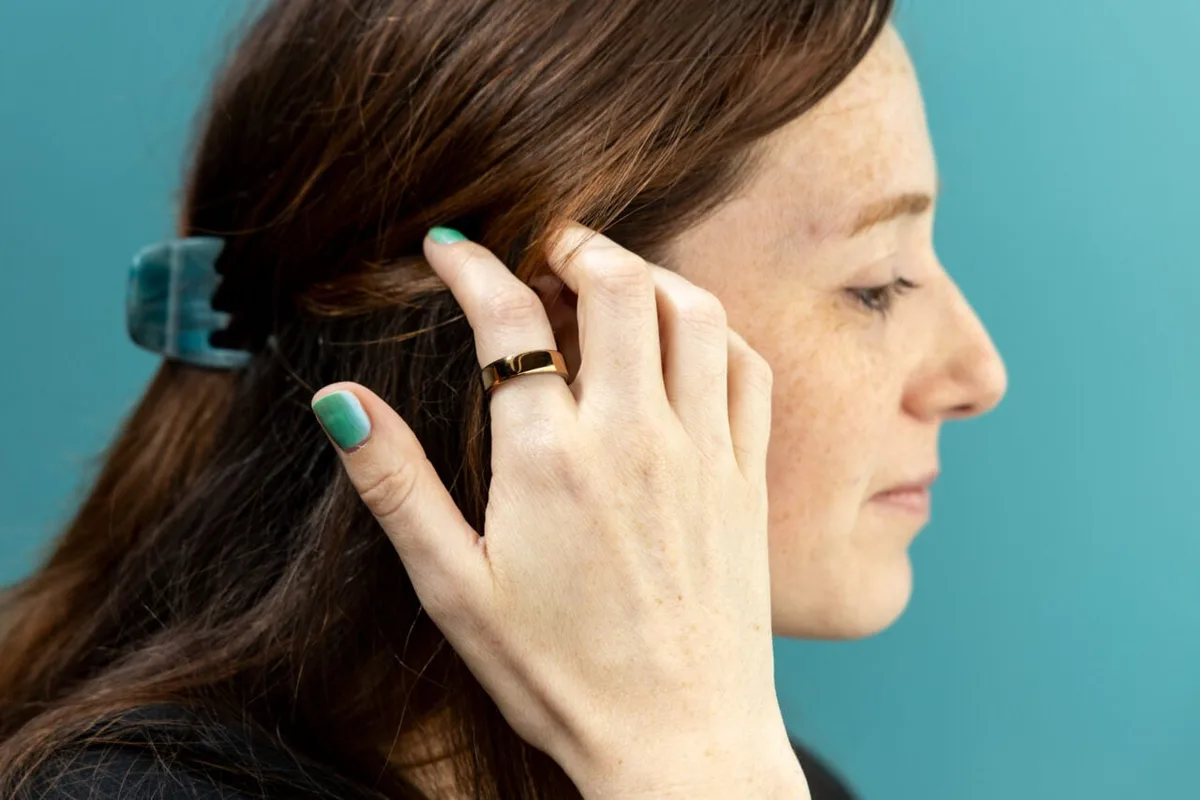
Smart ring maker Oura is facing a proposed class action lawsuit that claims its smart rings aren’t capable of identifying and measuring sleep cycles, TechCrunch reports. The lawsuit , filed in a district court in California, says that because Oura’s products don’t measure common physical signals of sleep, like eye movements and electrical brain activity, instead making less accurate calculations based on secondary markers.
Oura has advertised multiple generations of Oura Ring on their ability to accurately track sleep, including claiming the most recent Oura Ring 5 offers “95% Sleep Staging Accuracy compared to [a] clinical sleep lab.” The problem, the lawsuit claims, is that Oura rings aren’t actually able to take the same measurements as the sensors used in formal polysomnography (a sleep study).
“Instead, Oura’s AI models are doing guesswork as to what may be happening, based on improper inputs,” the lawsuit says, only admitting that its smart rings aren’t the same as a sleep study in technical materials most customers won’t read.
Because the company has continued to advertise its smart rings, amplified through celebrity endorsements and influencer marketing, without acknowledging the limitations of their sleep tracking abilities, the lawsuit alleges Oura has misled customers. Besides seeking to establish a class for future claims, the lawsuit is also asking the court for an injunction to stop what it alleges is false advertising and for monetary compensation for customers who were misled.
Gizmodo has reached out to Oura for comment on the lawsuit. We’ll update this article if the company responds.
On some level, it shouldn’t be surprising that an Oura Ring might not be as accurate as the multitude of sensors used in a true sleep study. The newest Oura ring includes a photoplethysmogram (PPG) sensor that uses red and green LEDs to measure things like heart rate, blood oxygen levels, and breathing; sensors for tracking body temperature; and an accelerometer that tracks movement. Those notably don’t track brain activity, eye movement, electrical activity in your heart, or muscle activity, the types of markers that are typically tracked to understand someone’s sleep in a clinical setting.
Oura instead relies on the data it does collect to make an informed guess at the quality of your sleep and the amount of time you spent in each sleep stage. Like plenty of other wearable makers, Oura exists in a wellness gray area, where the accuracy of its features can be backed up with studies, but they can’t be considered truly capable of medical diagnosis by regulators. Oura’s been able to exist comfortably in that gray area for a while, but the lawsuit could be one expression of the challenges it might face now that impressive sales and a future IPO are drawing further scrutiny.
5News aggregated this summary from the outlet’s public feed. The full article, with all the context, is on gizmodo.com — the content belongs to Gizmodo.