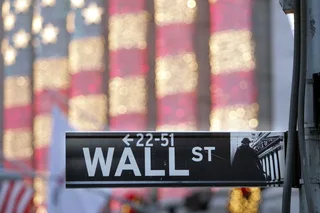
Forget AI, debt has become the main character on Wall Street as markets just now decided that it’s gotten out of control after years of warnings

The enormous mountain of debt hanging over the economy has overshadowed the AI boom as the center of attention on Wall Street.
For years—decades even—the spiraling trajectory of U.S. debt fueled dire warnings, which investors consistently brushed off as low borrowing costs helped turbocharge epic stock gains.
Meanwhile, the debt pile galloped higher, interest costs sucked up a bigger share of the federal budget, and deficits continued to expand.
Rating agencies downgraded U.S. credit, and foreign central banks stopped buying as many Treasuries.
The precise tipping point was always unclear, especially as the U.S. dollar retained its status as the world’s top reserve currency.
But the global bond selloff this past week that sent yields to the highest level in two decades showed debt is finally front and center as a concern.
“When does debt become unsustainable? When the global financial markets say it is,” RSM Chief Economist Joseph Brusuelas said in a note on Wednesday .
“That appears to be happening.” Debt worries weren’t limited to the U.S., with yields in other top economies like the U.K., France, Germany, and Japan also surging.
That’s as governments since the COVID pandemic have continued spending as if borrowing costs were still at crisis-era lows and letting deficits worsen as if their economies were still in desperate need of emergency stimulus.
But the economic landscape is totally different now.
Interest rates have surged in recent years to combat high inflation, and the AI boom is pouring hundreds of billions of dollars a year into an economy that increasingly immune to higher rates.
In addition, the so-called hyperscalers are relying more on debt to finance their capital expenditures, competing with the Treasury Department for bond market dollars.
“Given that public debt is already so high for many countries, it’s only been a matter of time until markets run out of patience,” Robin Brooks, a senior fellow at the Brookings Institution, wrote in a Substack post on Tuesday .
“It looks like that’s happening now.” Yields went up so quickly that the Treasury Department suddenly announced it will increase buybacks of long-dated bonds.
5News aggregated this summary from the outlet’s public feed. The full article, with all the context, is on fortune.com — the content belongs to Fortune.