Experimental skin cream linked to 2-year drop in biological age in early study
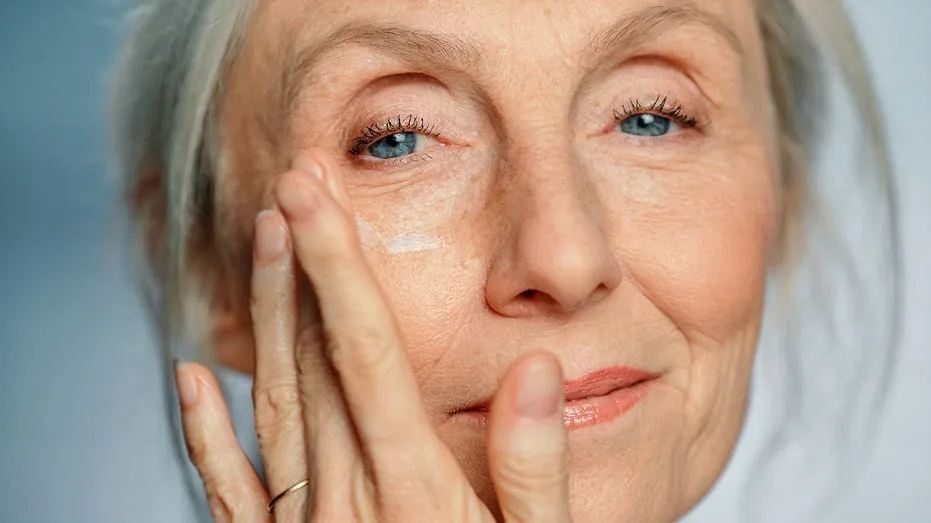
An experimental skin cream altered molecular markers associated with aging and inflammation in an early human trial, according to preliminary data released by its developer this week.
Rubedo Life Sciences, a biotechnology company based in Mountain View, California, tested its investigational treatment, RLS-1496, in patients with eczema and other skin conditions.
In an analysis of 11 paired skin samples from patients with atopic dermatitis, researchers reported that four weeks of treatment was associated with an average 2.1-year decrease in measured epigenetic skin age — an estimate based on age-related changes in DNA.
3 COMMON FACTORS MAY BE SECRETLY SPEEDING UP THE AGING PROCESS, EXPERT SAYS Rubedo CEO Dr.
Frederick Beddingfield said the "significant" early findings warrant further investigation.
"This is one of the few drugs developed for aging in general and with AI to show positive data in humans in multiple indications and to show a reduction in skin age," Beddingfield told Fox News Digital.
He believes the early results will translate into "clinical improvements with longer-term treatment." The latest skin-aging findings have been presented at a scientific conference, but have not yet been published as a full peer-reviewed study.
SCIENTISTS UNVEIL 'LIVING BANDAGE' THAT COULD DRAMATICALLY SPEED WOUND HEALING RLS-1496 is designed to target senescent cells — aging or damaged cells that have stopped dividing, but can release substances that promote inflammation.
The drug targets a protein called GPX4, which helps cells respond to stress.
Researchers are studying whether blocking it can clear away damaged, aging cells while helping healthier cells survive.
TEST YOURSELF WITH OUR LATEST LIFESTYLE QUIZ Beddingfield described the approach as targeting cellular aging rather than simply treating its outward effects.
"It's a bit like 'what does not kill you makes you stronger' for those surviving cells," he added.
Skin samples showed a 10% increase in a type of collagen that helps support the skin, according to the company.
Blood tests also showed lower levels of several markers linked to inflammation, although it is not yet clear what those changes mean for patients' health.
5News aggregated this summary from the outlet’s public feed. The full article, with all the context, is on www.foxnews.com — the content belongs to Fox News Health.