College sports’ talent race is turning each athletic department into a $40 million business empire
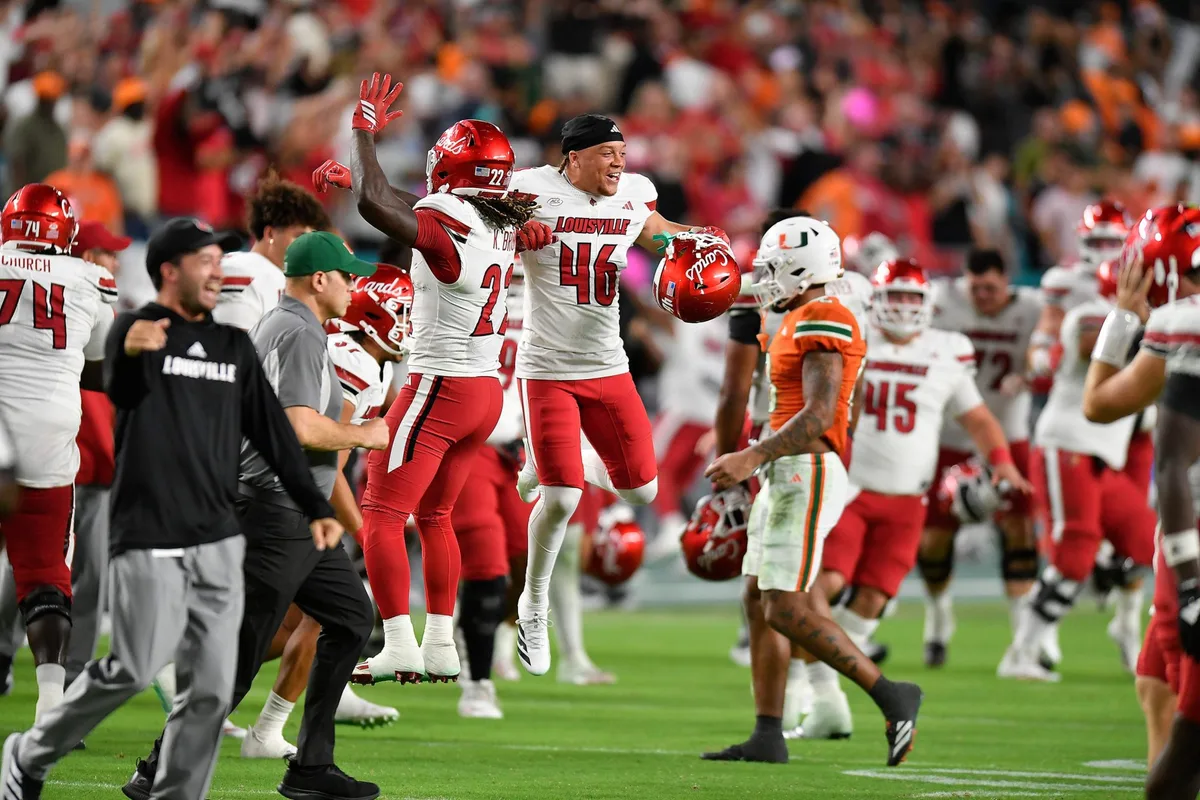
University of Louisville athletic director Josh Heird says there is no “silver bullet” that will help his department’s current revenue race.
To compete in the increasingly commercialized world of college sports, programs of its size might spend more than $40 million a year on talent acquisition, revenue sharing and other costs, according to experts.
But just five of Louisville’s 23 sports generate any revenue, according to the athletic department.
Only football and men’s basketball turn profits.
Louisville, like a growing number of major conferences ′ public universities, is trying to narrow that spending gap and its supporters are trying to help by creating a new organization to oversee everything from third-party multimedia deals to hospitality packages.
This spring, Louisville launched Cardinal Ventures, a nonprofit designed to help the athletic department leverage its brand to generate new revenue streams, all to keep pace with the multibillion-dollar market around compensating athletes for the use of their name, image and likeness .
“We live in a highly, highly competitive environment and industry,” Heird said.
“And if there’s anything that anybody can do to try to create even the smallest sort of competitive advantage, then they’re gonna look to do that.” The University of Kentucky also has a revenue-raising nonprofit.
The University of North Carolina is actively discussing a limited liability company.
So, too, is Louisiana State University .
There’s “feverish” interest from higher education in these offshoots, according to Clay Grayson, whose South Carolina law firm designed Clemson University’s in-house venture.
There’s also scrutiny from Congress .
Widespread privatization could further transform universities into profit-driven businesses resembling professional sports franchises, weaning them off fatigued donors and opening the door to private capital.
“Governmental universities don’t do commercial very well,” Grayson said.
5News aggregated this summary from the outlet’s public feed. The full article, with all the context, is on fortune.com — the content belongs to Fortune.