The AI threat keeping scientists up at night
AI will be the death of me.
And you.
And everyone we know.
At least, this is what a growing number of technologists and policymakers fear.
Last week, a lead researcher at Anthropic declared that there was a greater than 10 percent chance of AI “killing all humans” within the next decade.
This nerve-racking forecast, combined with recent AI-initiated cyberattacks , have fueled calls for slowing the progress of artificial intelligence — a proposal that Anthropic and OpenAI subsequently embraced.
Not all prophets of AI doom agree about precisely how this apocalypse would come about.
Many focus on scenarios reminiscent of The Terminator films, in which superintelligent machines conspire to exterminate humanity — perhaps in the same not-quite-intentional way that humans laid waste to the dodo, or passenger pigeon.
Key takeaways Synthetic pandemics are among the biggest existential risks facing humanity.
AI could make bioweapons more powerful and easier to build.
Governments can make us safer from both natural and artificial pathogens by investing more into pandemic preparedness.
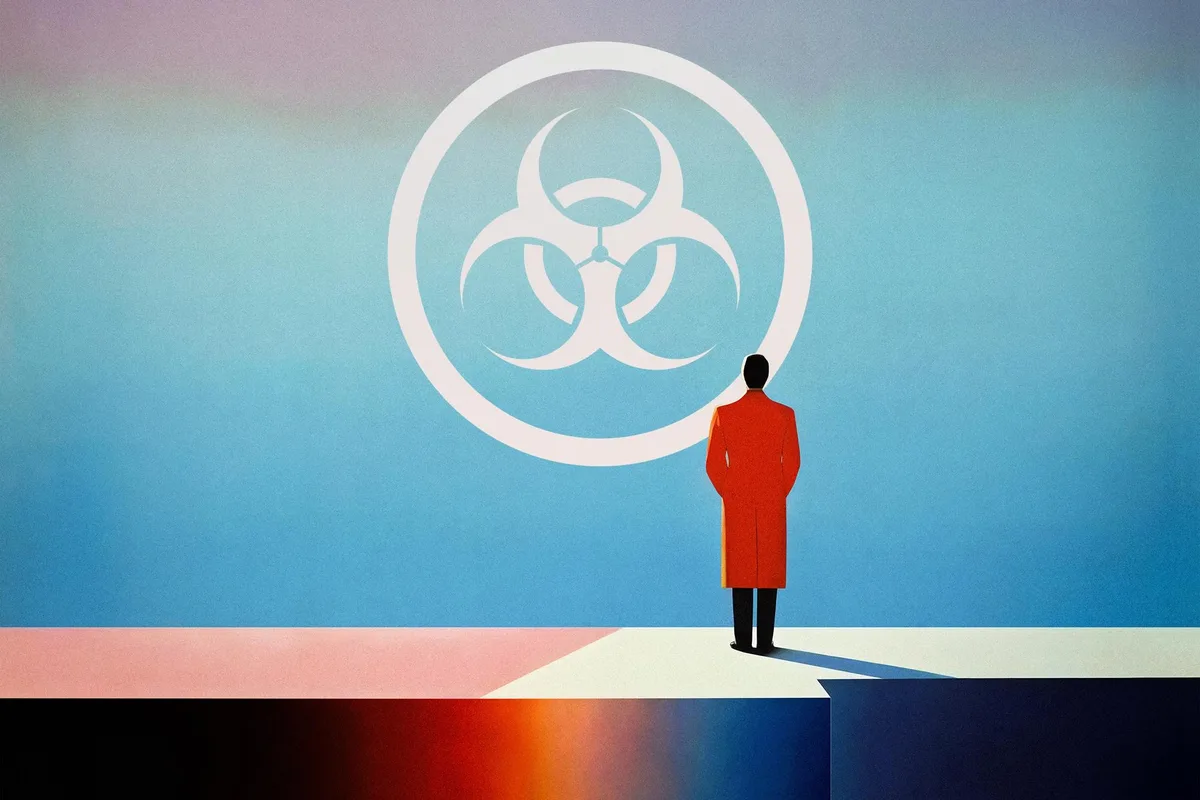
But there is another, arguably more intuitive way that AI could bring about mass death, if not human extinction: by making it easier for people to develop and deploy catastrophic bioweapons.
Importantly, this hypothetical doesn’t require AI models to become conscious or superintelligent; it merely requires them to accelerate preexisting trends in biotechnology.
For those alarmed by this hypothetical, the threat AI poses is essentially twofold.
5News aggregated this summary from the outlet’s public feed. The full article, with all the context, is on www.vox.com — the content belongs to Vox.