60 Minutes Transcript: The data center uproar
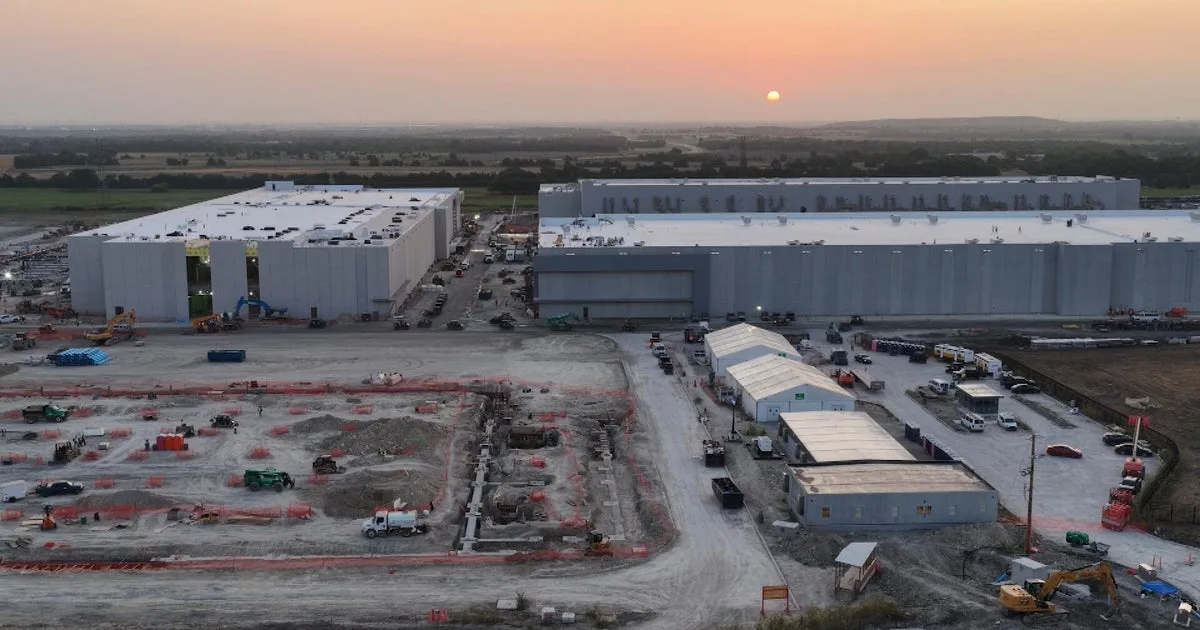
America, and the world, are in the midst of one of the most profound technological revolutions in human history, with artificial intelligence poised to transform nearly every aspect of how we live and work. Behind this seemingly invisible revolution is something very physical: data centers. They are the factories of the AI age, vast industrial warehouses, packed with powerful computer chips consuming enormous amounts of electricity. With more than 3,000 of them across the country, and another 1,500 proposed, data centers are now one of the top issues in the midterm elections. So we went to Texas, where everything is bigger, including the development of data centers, to understand the backlash happening nationwide.
Jazmin Villegas: It'll be nothing but data center buildings, concrete.
Jazmin Villegas: Yes. This is just one little bit, as far as you can see.
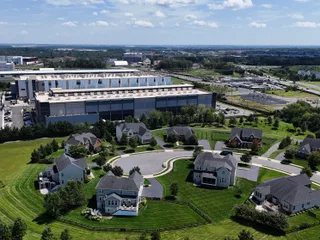
Jazmin Villegas lives on this quiet farm just outside Dallas, Texas. When she learned that a data center campus almost three times the size of this one a few miles away would be built next door, this mother of five and Marine veteran felt called back to duty.
Norah O'Donnell: How did you become the go-to person at the center of this fight against the data centers?
Jazmin Villegas: Ma'am, just because I'm not in uniform doesn't mean that my service to this country has ended. I stand strongly behind my oath that I took when I enlisted to, you know, protect and defend this Constitution against all enemies, foreign and domestic.
Jazmin Villegas: We're not sure. That's the thing. It might not be an enemy, per se. But how do I know that these chemicals or this pollution, water, air, noise, isn't going to affect my community, isn't going to affect me?
In town halls and on social media, data centers have become vessels for other worries and fears: of rising prices, the power of the tech elite, congestion and crowding, and a dawning AI era that threatens livelihoods and futures.
In Loudoun County, Virginia, which has the world's highest concentration of data centers, electricity bills have surged in the last year, at least in part because of growing power demand.
Resident at Arizona town hall: We live in the desert. We can't waste water. They will waste water.
In Chandler, Arizona, residents worry about water being used to cool data centers when the state already has a shrinking supply.
And in Red Oak, Texas, where Villegas lives, construction workers' cars clog the roads for miles before dawn.
There, they are concerned about all of these things. And they accuse the city council of operating in secrecy.
Resident at Red Oak town hall: And now you've been caught, you've been caught making decisions without transparency.
5News aggregated this summary from the outlet’s public feed. The full article, with all the context, is on www.cbsnews.com — the content belongs to CBS News.