American Samoa is the only U.S. territory where residents don’t have birthright citizenship. They’re U.S. nationals instead, and it complicates voting
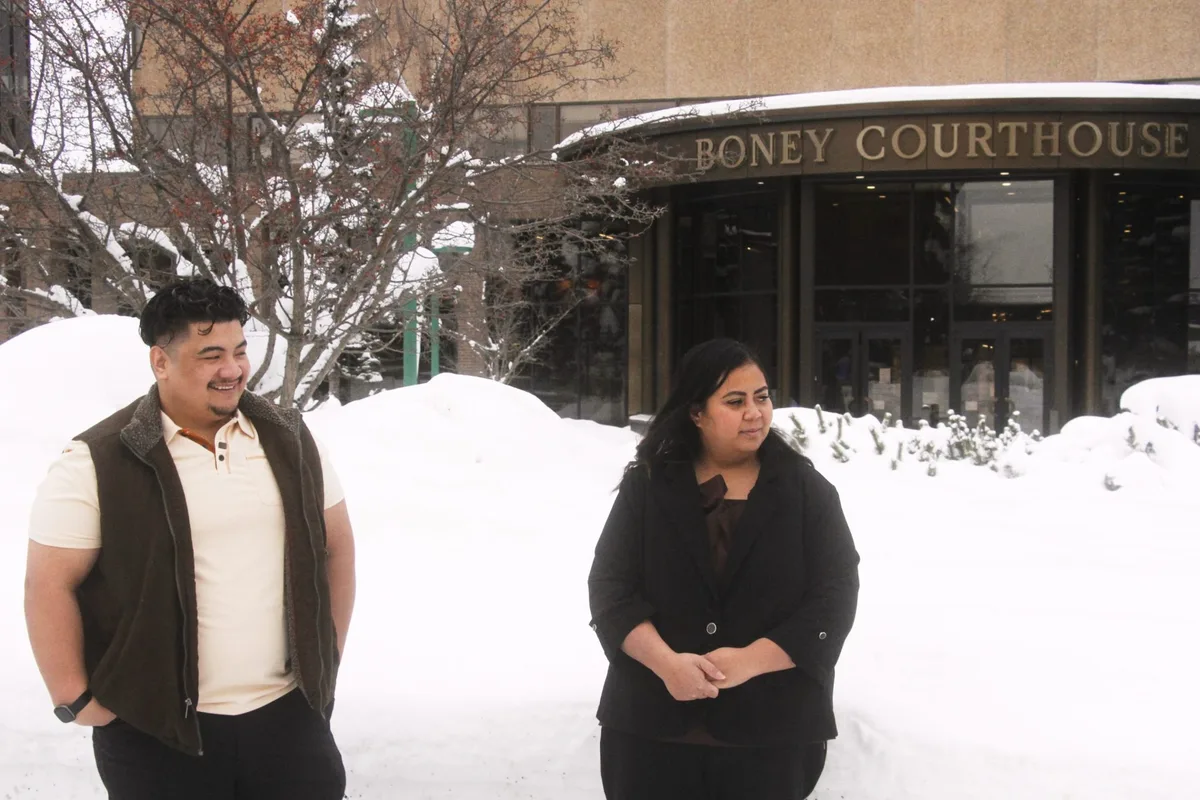
Alaska prosecutors are dropping voter misconduct cases against a group of residents born in American Samoa after a state appeals court threw out felony charges against a woman who checked a box saying she was a U.S. citizen.
The state’s Department of Law announced the decision Friday, after a three-judge Court of Appeals panel ruled a week earlier that state law requires proof that defendants who erroneously filled out voter registration forms had a “consciousness of wrongdoing” and intended to break the law.
The panel found flaws with a state trooper’s questioning of Tupe Smith, the woman involved in the case that was thrown out, as well as with the grand jury process that led to her indictment.
It overturned a lower court’s decision that had kept the charges against her alive.
Acting Alaska Attorney General Cori Mills said in a statement that after reviewing the decision and applying it to the facts, prosecutors concluded that they could not prove cases against Smith and the others beyond a reasonable doubt.
Her husband, Michael Pese, had also been charged.
“We respect the role of the courts in interpreting Alaska law and will faithfully execute our duty to apply the law and carefully evaluate our prosecutorial decisions,” Mills said.
In all, 11 people from the small community of Whittier, about 50 miles (80 kilometers) southeast of Anchorage, were charged with falsely claiming U.S. citizenship either when registering or trying to vote.
American Samoa is the only U.S. territory where residents are not automatically granted citizenship by being born on American soil and instead are considered U.S. nationals.
Paths to citizenship exist, such as naturalization , though that process can be expensive and cumbersome.
American Samoans can serve in the military, obtain U.S. passports and vote in elections in American Samoa, but they cannot hold public office in the U.S. or participate in most U.S. elections.
In a statement Saturday, Smith’s lawyer Whitney Brown said the dismissal would allow the community “to put this ordeal behind them and begin moving forward.” Earlier in the week, she heralded the Court of Appeals decision, saying it “establishes an important safeguard against imposing felony liability for an honest mistake.” The court “made clear that Alaska law requires more than simply showing that a statement was false — the State must prove a person acted with a consciousness of wrongdoing,” Brown said.
“That distinction makes a world of difference to Ms.
Smith and helps ensure that Alaska’s voter-misconduct statute is applied as the legislature intended going forward.” Smith was arrested after winning election to a regional school board in 2023.
5News aggregated this summary from the outlet’s public feed. The full article, with all the context, is on fortune.com — the content belongs to Fortune.