Economists Who Weren’t Worried About the Debt Are Now Panicking
This is an edition of The Atlantic Daily, a newsletter that guides you through the biggest stories of the day, helps you discover new ideas, and recommends the best in culture.
Sign up for it here.
America’s national debt hit $40 trillion last week.
That number certainly feels like something worth panicking over—the mind balks at all the zeros.
But although the debt has been in the trillions for decades, not everyone has considered it a problem.
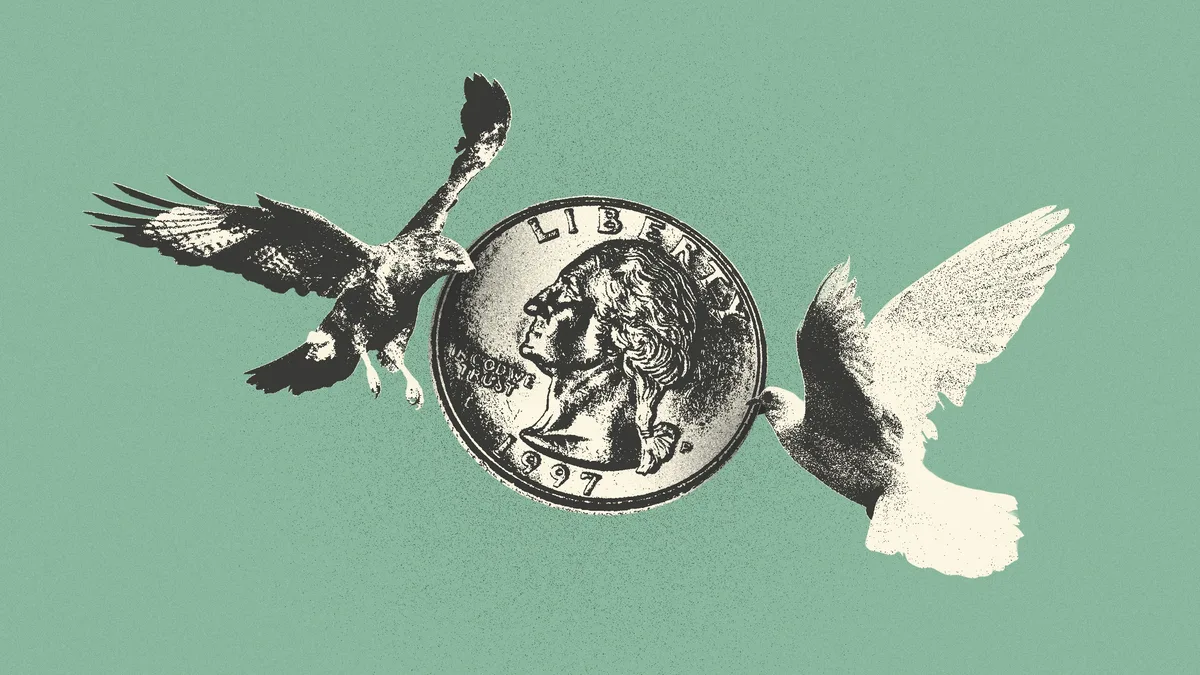
One camp of economists has been warning about the perils of high debt for years: Budget hawks predicted that if the country kept spending and didn’t raise taxes enough to keep pace, the resulting fiscal crisis could be devastating.
But others—the doves—have brushed it off.
Their perspective was that as long as the U.S.
GDP was growing faster than the interest rate it was paying on its debt, the Treasury would be able to keep rolling over its bonds without too much of a problem.
For much of the 2010s, this was essentially the status quo , and debt panic was muted.
We’re nowhere near a complete failure of the Treasury market, and yet, over the past couple of years, some economists who were once more dovish have switched teams .
Martha Gimbel, the executive director of the Budget Lab at Yale and the author of a recent Atlantic story on this issue, told me that part of the reason these economists are pivoting is that they’re starting to realize that interest rates are “probably going to be elevated for quite some time.” The average interest rate on U.S. debt—that second variable the doves look at—has been relatively high for several years now, and it’s only growing .
It was hovering around 1.5 percent in 2021, and it’s now roughly 3.4 percent.
The yield on the 30-year Treasury bond has more than doubled since 2021.
5News aggregated this summary from the outlet’s public feed. The full article, with all the context, is on www.theatlantic.com — the content belongs to The Atlantic.