America’s 911 System Is Dangerously Out of Date
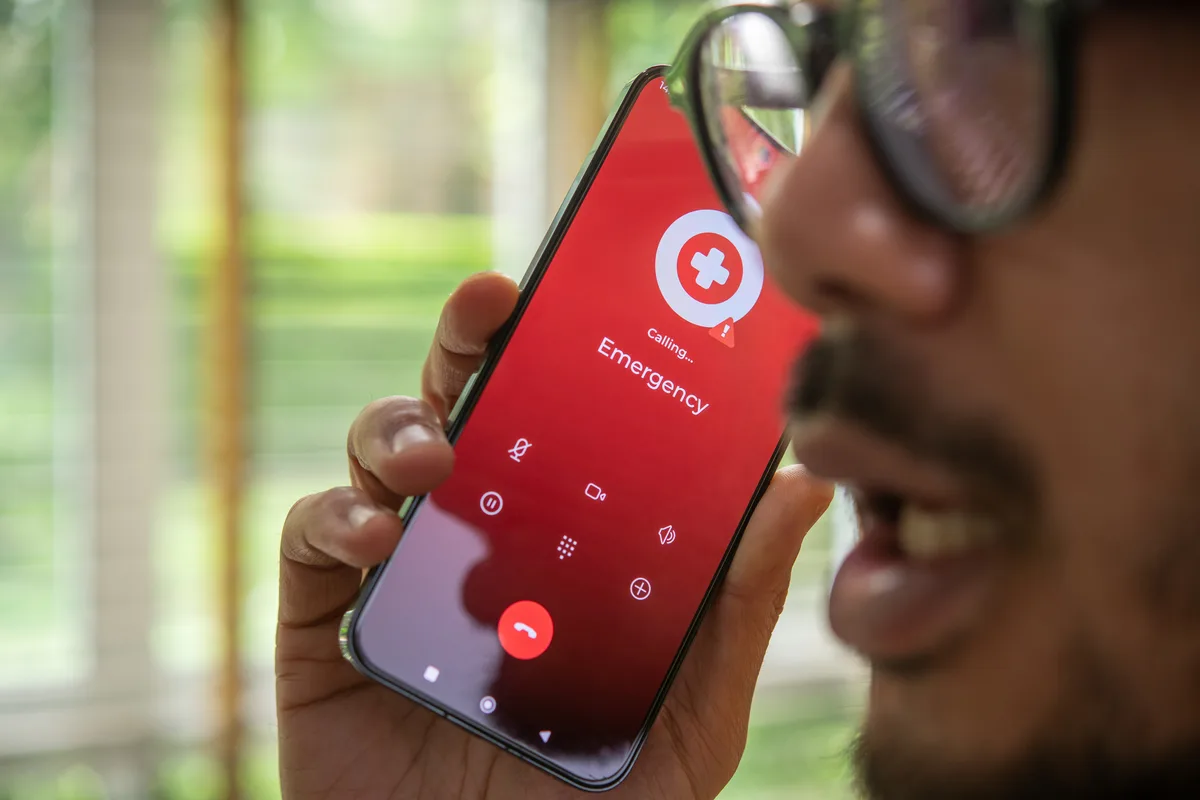
—amenic181—Getty Images “911, what is your emergency?” For the millions of Americans who have dialed 911, these are the familiar and comforting words we hear upon placing the call.
It is the question that guides us through a moment of chaos or crisis, the linchpin to saving lives and protecting health.
But in recent years, an increasing number of 911 callers have heard something a little different: “911, where is your emergency?” It is very nearly the same question, but the slight change underscores vast differences in people’s experiences seeking help in an emergency.
In an era when parents can monitor their children’s movements in real time, and ride-share drivers know the precise corner to stop, many Americans may be surprised to learn a sobering truth: the 911 professionals who answer the phone are often unable to automatically pinpoint a caller’s precise location, and cannot always rely on callers themselves to provide it.
The extra time it takes to figure out exactly where to send help, even if it’s a few extra seconds, costs lives.
But the United States has let our 911 emergency response system languish for decades, failing to make the necessary investments to bring it into the digital age.
That inaction should be unacceptable to every American.
Upgrading 911 technology should be a national priority, and Congress must provide sufficient funding to ensure it works in every community.
When America’s 911 system launched in 1968 , it was built to serve people calling from landlines at fixed locations.
Callers were tracked using address directories that listed the location of the phone they were calling from.
As a result, emergency personnel could be dispatched almost immediately.
It made sense, and it worked fast.
Nearly 60 years later, we are living in a completely different era.
In 2024 , more than three-quarters of 911 calls came via either cellphones or Voice over Internet Protocol (VoIP) and other wireless voice services.
5News aggregated this summary from the outlet’s public feed. The full article, with all the context, is on time.com — the content belongs to TIME.