Data center developers want to make it hard to track them: elected official
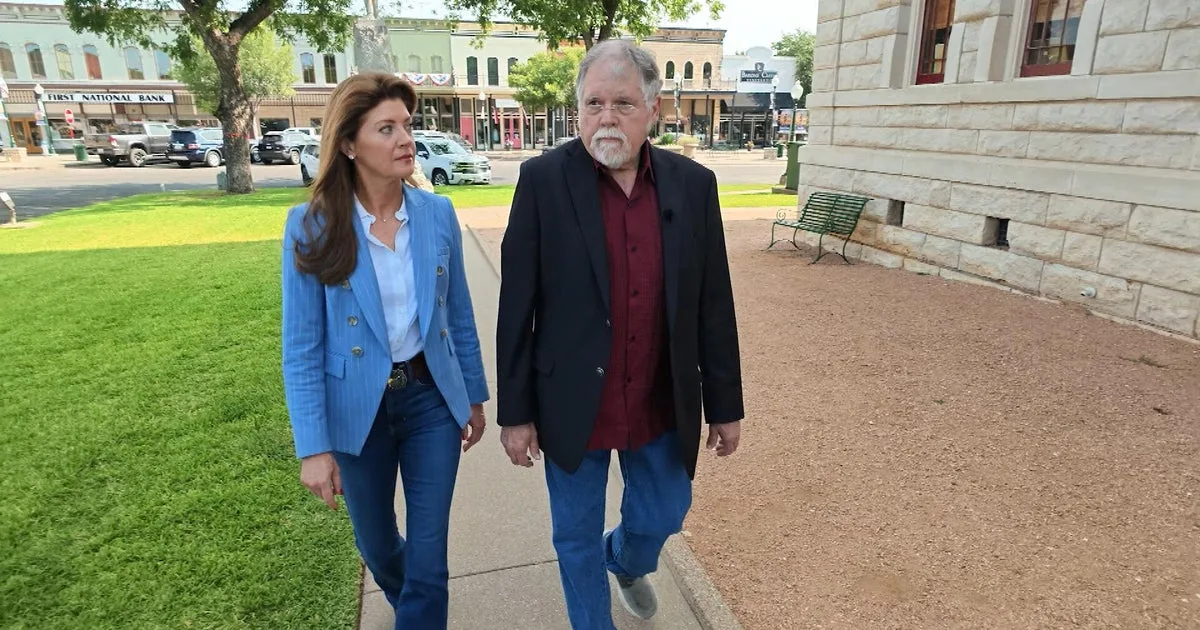
A data center project came to the table in a Texas county a year ago, promising a big win, but providing few specifics, according to a local county commissioner.
While most existing data centers are in urban areas, according to the Pew Research Center, 67% of planned data centers are for rural areas , like Hood County, Texas, where attorney Dave Eagle is one of five elected officials on the commissioners' court, which votes on data center proposals. Eagle's impression is that the companies think they're dealing with "country bumpkins" when they make their pitches.
"They just basically approached us in a way that they're going to bring a lot of jobs in here. They're going to be good neighbors. They're going to really upgrade the community. But they wouldn't tell us exactly what they wanted to do," Eagle said. "They basically came in here to razzle dazzle me."
The company behind the proposal, which turned out to be Amazon Web Services, asked the county for up to 90% in property tax rebates for 30 years, according to a pitch obtained by 60 Minutes. Eagle voted against the project in Hood, but it's moving forward in the next county over, where AWS got the tax rebate it wanted.
In a statement, an Amazon spokesperson told 60 Minutes, "Amazon evaluates many potential options to develop sites, and Hood County was one of those options. We ultimately decided to not build in Hood County." It continued, "Where we do invest, we work with local leaders to create jobs and generate revenue for public services."
Eagle isn't alone in questioning the boom in data centers across the country.
There are already more than 3,000 data centers in the U.S., according to Pew Research Center, with another 1,500 proposed. Data centers have been around for decades, but as AI booms, the need has grown. AI data centers are packed with powerful computer chips consuming enormous amounts of electricity .
New data centers are larger than old ones, according to Michael Webber, a professor at the University of Texas who holds chairs in the departments of engineering and public policy and has written books on the relationship between water and energy. Tech companies call Webber for advice when they want to build in Texas.
"In the old days, and by old days I mean, like, two years ago, a large data center might have been five megawatts," Webber said. "A new data center for AI might be 1,000 megawatts. It's, like, 200 times larger. So the scale is much different."
Hyperscalers including Meta, Amazon, Google and Microsoft are expected to spend $1.5 trillion building data centers through next year, according to Wall Street estimates compiled by FactSet .
Webber said some believe the U.S. will reach a point of data center satiation, with construction leveling off, while others question whether that day will ever come.
"There are other smart people who say the demand for intelligence will never be sated," he said. "So we will always want more data centers.
5News aggregated this summary from the outlet’s public feed. The full article, with all the context, is on www.cbsnews.com — the content belongs to CBS News.