JONATHAN TURLEY: Fake pollster's stunt was a reckless game with real races
In this political season, there is one question that needs no poll: Rahil Prakash is a liar.
The other thing we know is that he will likely get away with spreading fake polling results .
Lies can be protected speech under the First Amendment and, while Prakash would not likely want to take a popularity poll, he is unlikely to face legal consequences for his "short-term social experiment." We still do not know much about the twenty-one-year-old college graduate who reportedly admitted to releasing fake polling in the last election cycle.
What we do know is that he succeeded and such polls can influence critical campaign decisions.
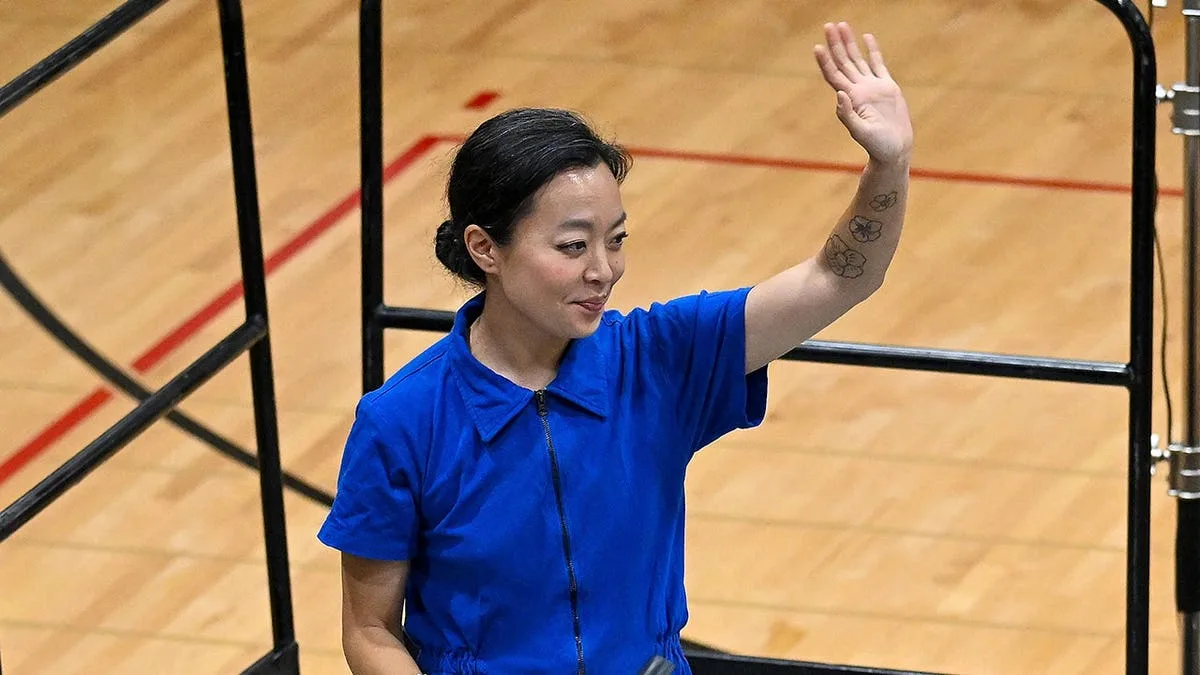
For example, his poll put the Democratic Socialist up by 20 points in Wisconsin and she surprised many by spending the final days campaigning in rural areas where she was expected to do worse. (She would lose by less than one percent of the vote).
It is unclear where, had Hong known how close the race was, she would have spent the final days in higher-yield urban districts.
THE BATTLE FOR CONGRESS GETS A WALL STREET-STYLE SCOREBOARD POWERED BY REAL-MONEY BETS The story laid bare the vulnerability of modern polling, which was again wildly wrong in predictions in various races during the primaries.
However, it also highlights a novel question of potential liability for knowingly spreading falsehoods.
In this case, Prakash wanted the lie to spread and likely succeeded beyond his wildest imagination.
He told The Guardian that "I wanted to see if fake polls could really penetrate the ecosystem that easily.
And as it turned out, it could." He created a website called Median Strategies and released fake polls in Democrat primaries in the Wisconsin governor’s race, the Los Angeles mayoral race, and two statewide Nevada races.
The polls were quickly picked up and spread throughout the "ecosystem." He explained to the Guardian how easy it was: "I think my overall takeaway was that if you just make it look a bit pretty, it’s rather easy for it to spread." We do not know if Prakash had a political motive in showing certain candidates dominating in certain races.
He reportedly denied using his fake polls to play betting sites as part of the prediction market .
He also denied being compensated or directed by any campaign to run the hoax.
5News aggregated this summary from the outlet’s public feed. The full article, with all the context, is on www.foxnews.com — the content belongs to Fox News.