What a Fed rate hike could mean for gold and silver prices
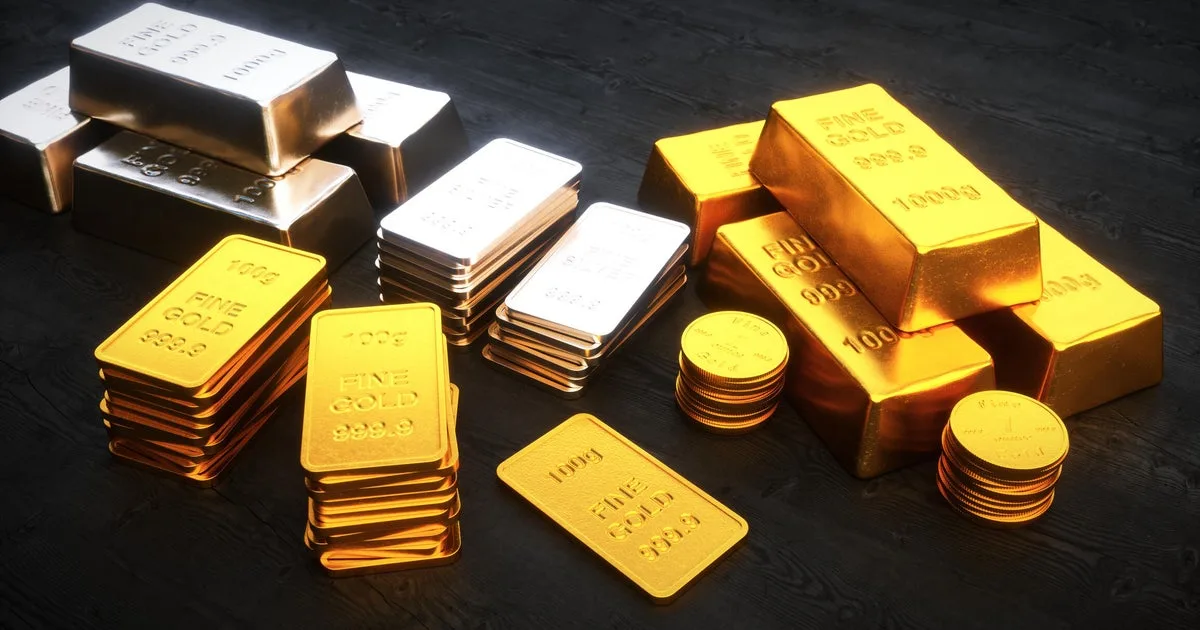
Gold and silver investors have had to contend with some sharp price moves so far in 2026. Gold, for example, surpassed $5,500 per ounce early this year, but has since retreated significantly from that record high, with the price of gold sitting closer to $4,275 per ounce as of mid-September. Silver, on the other hand, has also experienced sizable price swings as investors have responded to shifting expectations for inflation, interest rates and the economy.
And those price movements could become even more pronounced in the days ahead. The Federal Reserve meets September 15 and 16, and persistent inflation has increased the possibility of another rate hike. That prospect matters for precious metals investors because changes in interest rates can quickly alter where investors put their money and how much they're willing to pay for assets such as gold and silver.
Still, the outcome isn't as simple as higher rates automatically leading to lower precious metals prices. Gold and silver are being pulled by several competing forces right now, and the Fed's decision is only one of them. So, if the central bank does raise rates this week, what could it actually mean for gold and silver prices — both immediately and in the months that follow? That's what we'll examine below.
Find out how you can use gold and silver to protect your portfolio today .
If the Fed raises rates at its September meeting, gold and silver prices could face some short-term pressure, as higher interest rates tend to make other interest-bearing options, such as bonds and savings products, more attractive. Gold and silver assets don't pay interest, though, so some investors may be less willing to hold them when they can earn higher returns elsewhere.
A rate hike could also boost the U.S. dollar, which can create another challenge for precious metal prices. Gold and silver are priced in dollars, so when the dollar strengthens, the precious metals become more expensive for buyers using other currencies. That can reduce demand for gold and silver and put additional downward pressure on prices.
Still, a rate hike doesn't guarantee that gold and silver prices will fall . Investors often adjust their portfolios before the Fed actually makes a move, so some of the impact of the potential September rate hike could already be reflected in today's prices. So, if the Fed raises rates as expected, the bigger price reaction may hinge on what policymakers say about whether more hikes are likely in the coming months.
Other factors could keep gold prices elevated — even if rates rise. For example, if inflation remains high or concerns about the economy or geopolitical conflicts increase, investors may continue buying gold as a way to diversify their portfolios and protect against uncertainty. Strong demand from central banks and other large buyers could provide additional support.
Silver could react somewhat differently. Like gold, it can be affected by interest rates, the dollar and investor demand. But silver is also used heavily in manufacturing and technologies such as solar panels and electronics.
5News aggregated this summary from the outlet’s public feed. The full article, with all the context, is on www.cbsnews.com — the content belongs to CBS News.