Our Approach to Drought and Wildfire Is Economically Backwards
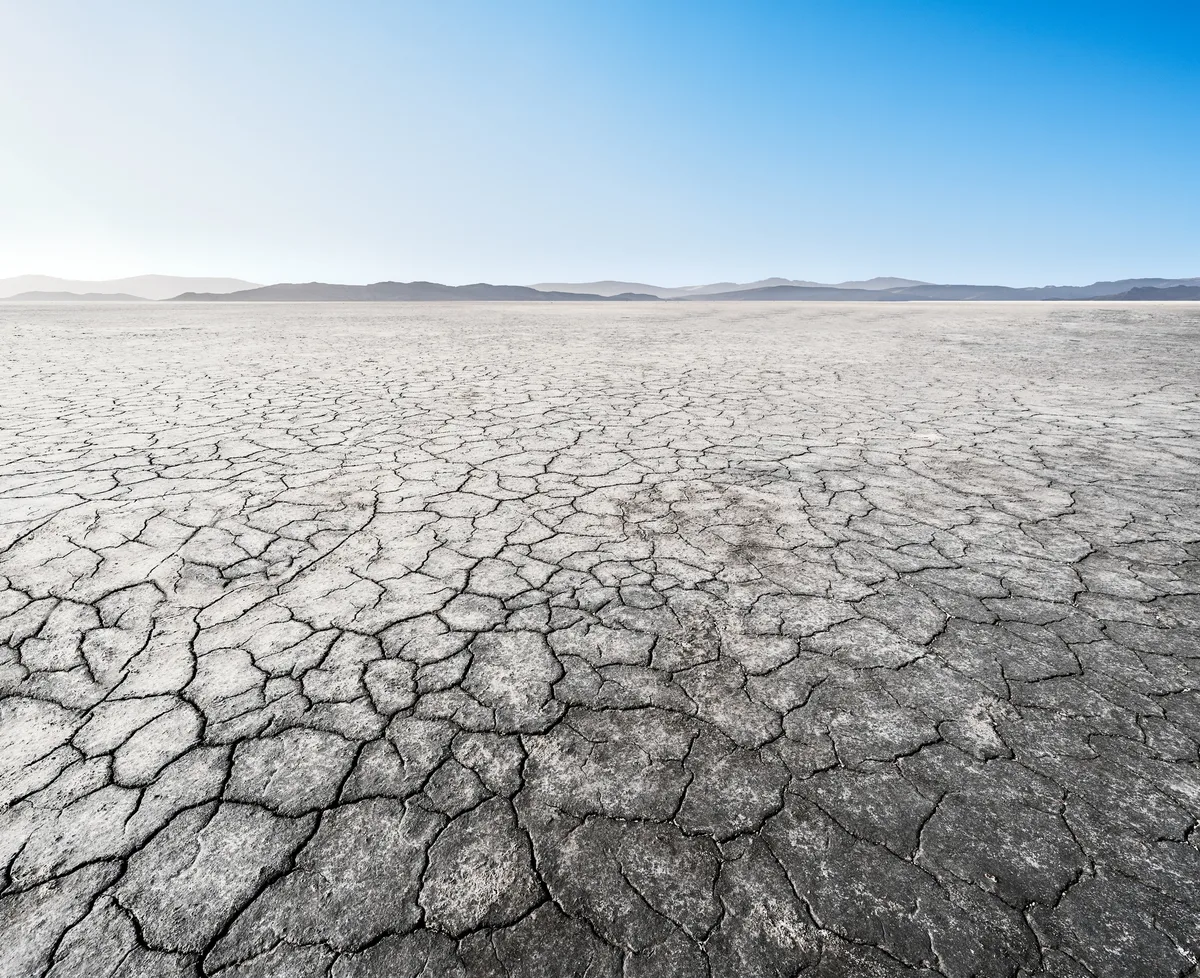
—Xuanyu Han—Getty Images This year, governments and businesses across Europe,North America and parts of Africa, Asia, Latin America, and the Caribbean have been contending with the impacts of severe drought and wildfires.
Every year, drought-induced losses alone cost the global economy an estimated $307 billion .
Yet one of the assets that could make economies more resilient remains dangerously underfunded: healthy land.
This week, leaders gathering in Ulaanbaatar, Mongolia for COP17 of the UN Convention to Combat Desertification (UNCCD) will have an opportunity to change that.
What happens on Mongolia’s vast rangelands—and in degraded landscapes around the world—matters far beyond the environment.
It is increasingly central to food and water security, supply chains and economic stability.
In other words, the soil beneath our feet is essential to protecting livelihoods and economies from growing shocks.
The economic opportunity is significant.
The UNCCD estimates that financing land conservation and restoration could generate up to $1.8 trillion annually, driven by strengthened agricultural and supply chain resilience, new revenue opportunities, and mitigated physical risks like drought-related losses.
It could also generate employment for an additional 65 million people by 2030, resulting in a net gain of 37 million jobs.
Business investment is already responding to this opportunity: the COP Action Agenda on Regenerative Landscapes reported more than a fourfold increase in business investment between 2023 and 2025.
But fragmented and misaligned policies continue to hold investment back.
The COVID pandemic exposed how vulnerable global supply chains can be.
Recent wildfires and droughts have exposed another weakness: the deteriorating natural systems on which those supply chains depend.
5News aggregated this summary from the outlet’s public feed. The full article, with all the context, is on time.com — the content belongs to TIME.