Japanese companies are paying older workers to sit by a window and do nothing—while Western CEOs demand super-AI productivity just to keep your job
As corporate America and Europe drag workers back to five days in the office and squeeze for ever more efficiency, Japan is quietly paying thousands of older employees to show up, sit down, and do almost nothing at all.
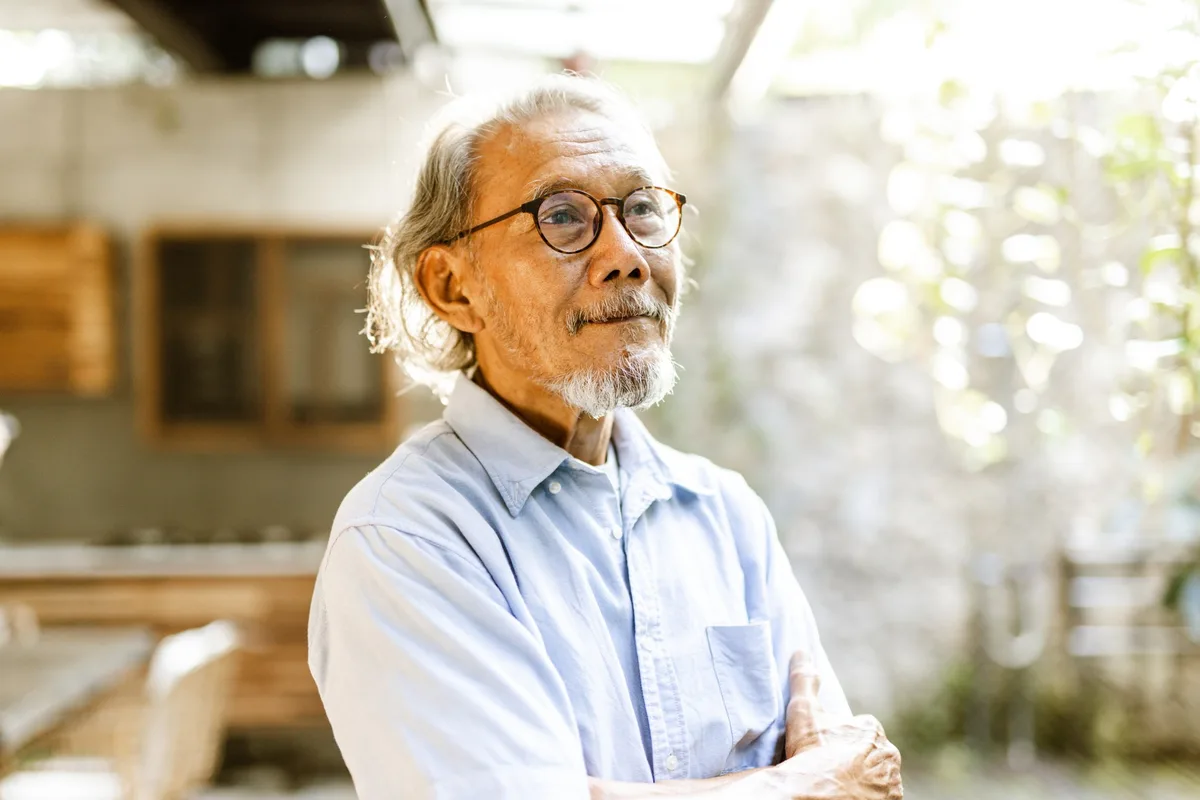
Meet the madogiwazoku cohort—older, underperforming, or redundant employees who are assigned desks near the window with little to no work to do.
These “window workers” are mostly Gen X and baby boomer men in their late 50s and 60s, who were hired on the promise of lifetime employment shushin koyo and a seniority‑based pay system.
Instead of leading teams or closing deals, they spend their days answering the occasional email, shuffling a few documents, and sorting paperwork—kept on comfortable salaries but carefully steered away from any real responsibility.
And while the phenomenon isn’t anything new, it’s gaining interest online.
As Western CEOs double down on productivity, five-day in-office mandates, and AI headcount cuts, more and more young people are looking to Japan for a calm alternative— even vacationing there for a taste of a slower, more intentional way of life that feels worlds away from the corporate grind.
Moved instead of sacked: Japan’s seniors are still clocking in long after retirement “[While]Trump says, ‘You’re fired,’ in Japan we don’t say, ‘You’re fired,’” a 74-year-old Japanese influencer who goes by @ papafromjapan explained on TikTok.
“If someone is not doing a good job, we put him near the window, let them do paperwork.
Those people we call madogiwazoku .” A key distinction, he suggests, is that these workers aren’t office troublemakers—they’re often loyal, non-confrontational workers who’ve simply been overtaken by changing technology or strategy.
Rather than push them out, employers quietly move them aside.
“They’re not aggressive people, so we just let them work, and they don’t complain, and they’re happy with it, and they work for the company for a long time.” Protecting older workers from redundancy—even when their roles shrink—has had a measurable ripple effect on who’s still turning up to work in Japan.
The country now has one of the highest rates of senior employment in the developed world, with more than a quarter of people ages 65 and over still working in 2022, compared with less than one in five in the U.S., and barely one in 10 in the U.K.
Surveys show roughly 80% of Japanese workers want to continue working after retirement, with around 70% preferring to stay with their current employer rather than start over somewhere new.
To make that possible, the government pushed through a revised Law Concerning Stabilization of Employment of Older Persons and a raft of subsidies that nudge companies to secure employment opportunities for workers until the age of 70.
5News aggregated this summary from the outlet’s public feed. The full article, with all the context, is on fortune.com — the content belongs to Fortune.